
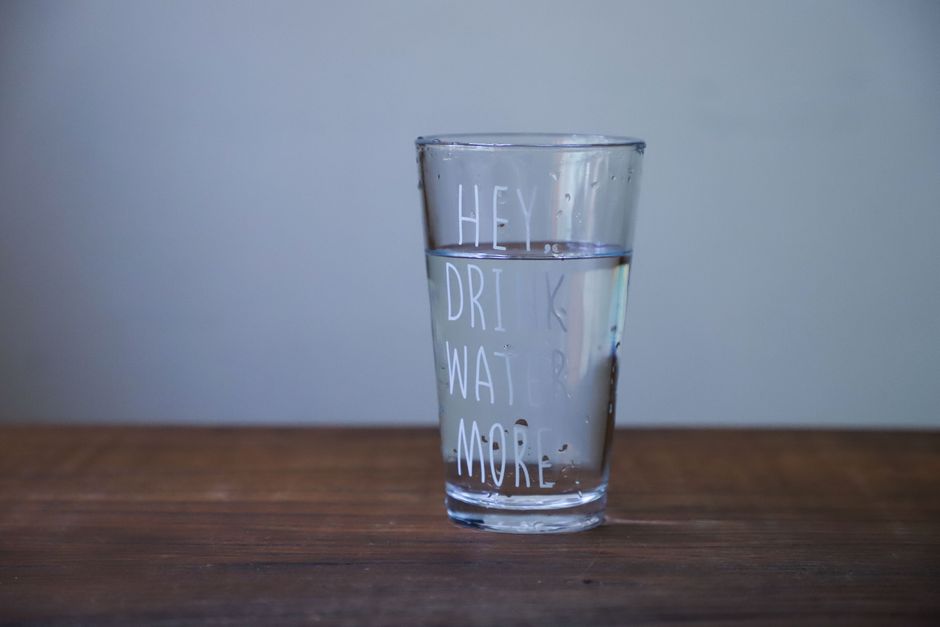
You drink water all day. You aim for eight glasses or more. Yet you still feel bloated, strained, and irregular. It is frustrating, and it is more common than you think. The simple truth is that water alone rarely fixes constipation. Hydration is only one piece of a much larger puzzle. If your digestive system lacks the other key ingredients, extra water will just pass through you without moving things along.
Why Am I Still Constipated After Drinking Lots Of Water?
Water helps soften stool, but it cannot do the job by itself. Your colon needs fiber to add bulk and trigger the muscle contractions that push waste forward. Without enough fiber, water has nothing to grab onto. It simply gets absorbed into your bloodstream and filtered out by your kidneys.
Think of it like a slide. Water makes the slide slippery, but if nothing is on the slide, nothing comes down. Fiber is the object sliding down. Water is just the lubricant. You need both working together for regular bowel movements.
How Much Fiber Do You Actually Need?
Most adults need between 25 and 38 grams of fiber per day. The exact number depends on your age, sex, and calorie intake. Women generally need about 25 grams. Men generally need about 38 grams. Most Americans get only half of that.
If you are drinking plenty of water but eating a diet of processed foods, meat, cheese, and white bread, your fiber intake is likely too low. You can drink a gallon of water daily and still be constipated if your diet lacks plant-based roughage.
Good fiber sources include:
- Whole grains like oats, brown rice, and quinoa
- Legumes such as lentils, chickpeas, and black beans
- Vegetables, especially leafy greens and cruciferous options like broccoli
- Fruits with edible skins like apples and pears
- Nuts and seeds, particularly chia seeds and flaxseeds
Increase fiber gradually. A sudden jump from 10 grams to 30 grams per day causes gas, cramping, and bloating. Add a few grams every few days and let your digestive system adjust.
Are You Drinking the Right Kind of Water?
Plain water is usually fine, but the minerals in water matter more than most people realize. Magnesium and sodium play direct roles in muscle function and fluid balance. Both are needed for normal bowel contractions.
If you drink only distilled water or heavily filtered water, you may be missing these minerals. Some research suggests that magnesium deficiency contributes to constipation. Magnesium draws water into the intestines, which softens stool and stimulates movement.
Electrolyte imbalances can also work against you. Drinking excessive plain water dilutes your body’s sodium levels. Low sodium affects nerve signaling and muscle function, including the muscles of your intestinal wall. This can actually slow things down.





What Else Could Be Causing Your Constipation?
If your fiber intake is solid and your hydration is adequate, other factors may be at play. Constipation is rarely caused by one single thing. It is usually a combination of lifestyle habits, medications, and underlying conditions.
Lack of physical activity is a major contributor. Your intestines have their own muscle layers, but movement helps stimulate them. Regular walking, jogging, or cycling encourages peristalsis — the wave-like contractions that move stool through your colon.
Ignoring the urge to go is another common issue. When you suppress the signal to use the bathroom, your colon reabsorbs water from the stool. It becomes harder and drier. Over time, your body’s signals become weaker and less reliable.
Medications are frequently overlooked. Opioid painkillers, certain antidepressants, iron supplements, calcium supplements, and some blood pressure medications all list constipation as a common side effect. If you started a new medication around the same time your constipation began, that timing may not be a coincidence.
When Fiber and Water Are Not Enough
Sometimes the problem is not what you are missing. It is what you are doing wrong. Fiber supplements are a common mistake. Many people take psyllium husk or other fiber powders without adjusting their water intake. These supplements absorb water in the gut. If you take them without enough fluid, they form a thick plug that makes constipation worse.
Another overlooked issue is the type of fiber you consume. There are two kinds: soluble and insoluble. Soluble fiber dissolves in water and forms a gel. Insoluble fiber does not dissolve and adds bulk to stool. You need both.
Soluble fiber sources include oats, barley, nuts, seeds, beans, lentils, and some fruits like apples and carrots. Insoluble fiber comes from whole wheat, wheat bran, nuts, beans, and vegetables like cauliflower and green beans. A balanced mix of both is ideal.
Could It Be a Medical Condition?
Persistent constipation despite good hydration and adequate fiber deserves attention. Several medical conditions cause chronic constipation even when lifestyle factors are addressed.
Irritable bowel syndrome (IBS) is one of the most common. IBS with constipation, sometimes called IBS-C, involves abdominal pain, bloating, and infrequent or hard stools. The exact cause is not fully understood, but it involves abnormal communication between the brain and the gut.
Hypothyroidism slows down all bodily processes, including digestion. If you have fatigue, weight gain, dry skin, and constipation together, thyroid function is worth checking.
Pelvic floor dysfunction is less known but very real. The muscles at the base of your pelvis coordinate the act of passing stool. If these muscles do not relax properly, stool gets trapped even when it is soft and well-formed.
Slow transit constipation means your colon moves waste too slowly. Stool sits in your colon longer than normal, and water gets reabsorbed, making it hard and difficult to pass. This condition often requires medical evaluation and sometimes specialized testing.
What Actually Helps Move Things Along?
Beyond fiber and water, several evidence-based strategies can help. These are not fads. They are supported by clinical research and are commonly recommended by gastroenterologists.
Prunes and prune juice have real evidence behind them. Prunes contain both fiber and sorbitol, a natural sugar alcohol that draws water into the colon. Studies have shown prunes are more effective than psyllium for improving stool frequency and consistency.
Regular meal timing matters. Eating at consistent times each day helps regulate your digestive rhythm. Your colon is most active in the morning, shortly after waking and after meals. Using this natural window can make bowel movements easier.
Positioning can also help. Sitting with your knees elevated above hip level, similar to a squatting position, straightens the angle between the rectum and the anus. This reduces the effort needed to pass stool. A small footstool can achieve this position on a standard toilet.
Biofeedback therapy is a treatment for pelvic floor dysfunction. It teaches you to coordinate your abdominal muscles and pelvic floor muscles during defecation. Clinical trials have shown it is effective for many people who do not respond to dietary changes alone.
How Much Water Is Too Much?
There is a point where drinking more water stops helping and starts hurting. Excessive water intake can lead to hyponatremia, a condition where blood sodium levels drop dangerously low. Symptoms include nausea, headache, confusion, and in severe cases, seizures.
The average healthy adult needs roughly 11.5 to 15.5 cups of total fluid per day from all beverages and foods. This is a general guideline, not a prescription. Your needs vary based on climate, activity level, and body size. Urine color is a practical indicator — pale yellow usually means adequate hydration.
If you are drinking far more than this and still constipated, the problem is not water volume. It is time to look at other causes rather than increasing your intake further.
When to See a Doctor
Occasional constipation is normal. Chronic constipation is not. If you have been constipated for more than three weeks despite lifestyle changes, seek medical advice.
Seek immediate care if you experience any of these warning signs:
- Blood in your stool
- Unexplained weight loss
- Severe abdominal pain
- Constipation alternating with diarrhea
- A sudden change in bowel habits after age 50
These symptoms can indicate more serious conditions that require proper evaluation. Do not assume they are benign.
Frequently Asked Questions
Why does water make my constipation worse?
Drinking more water without increasing fiber can make constipation worse because the water has no bulk to push against. Fiber supplements taken without enough water can also form a hard plug in the colon.
How much water should I drink daily for constipation?
Most healthy adults need about 11.5 to 15.5 cups of total fluid daily from food and beverages. Pale yellow urine is a practical sign that you are well hydrated.
What is the fastest way to relieve constipation?
Osmotic laxatives like polyethylene glycol draw water into the colon and typically produce a bowel movement within 24 to 48 hours. Prunes are a natural option that works more gently and is supported by clinical research.
Can drinking too much water cause constipation?
Excessive water intake alone does not directly cause constipation, but it can dilute electrolytes like sodium that your intestinal muscles need to function properly. Overhydration can also signal that the real cause of your constipation is elsewhere.
