

Itching in the private area is one of the most uncomfortable and distracting sensations a person can experience. The urge to scratch can feel overwhelming, but the relief is often short-lived and can make the problem worse. The direct answer to stopping the itch is to identify the cause first, then treat it with the appropriate approach—whether that is a simple change in hygiene habits, an over-the-counter antifungal cream for a yeast infection, or a prescription treatment for a bacterial or skin condition. Guessing wrong can prolong the misery, so understanding what is happening is the first step toward real relief.
What Causes Itching in the Private Area?
Several conditions can cause itching in the genital region, and they are not all the same. The most common culprits fall into a few broad categories: infections, skin conditions, and irritants.
Yeast infections are a frequent cause, particularly in women. They occur when the natural balance of fungus in the body shifts, often after antibiotic use or when blood sugar is high. The itching is typically intense and accompanied by a thick, white discharge that resembles cottage cheese.
Bacterial vaginosis is another possibility for women. This condition results from an overgrowth of certain bacteria in the vagina. The hallmark sign is a fishy odor, often more noticeable after sex, along with thin, grayish discharge and mild itching.
For men, jock itch is a common fungal infection that thrives in warm, moist areas. It appears as a red, ring-shaped rash on the inner thighs or groin and causes significant itching. It is the same type of fungus responsible for athlete’s foot.
Skin conditions like eczema or psoriasis can also affect the genital area. These are chronic inflammatory conditions that produce dry, scaly, or cracked skin. The itching from these conditions is different from an infection and requires different treatment.
Contact dermatitis is another frequent offender. This happens when the skin reacts to an irritant or allergen. Common triggers include scented soaps, laundry detergents, fabric softeners, latex condoms, or synthetic underwear. The skin may look red, swollen, or blistered.
How To Stop Itching In Private Area Causes Relief: Immediate Steps
While you are figuring out the underlying cause, there are steps you can take right now to reduce the urge to scratch.
First, wash the area gently with warm water only. Avoid soap, especially scented varieties, because soap strips the skin of its natural protective oils and can worsen irritation. Pat the area dry with a clean, soft towel. Do not rub.
Second, switch to loose-fitting, breathable cotton underwear. Synthetic fabrics like nylon or polyester trap heat and moisture, creating an ideal environment for fungus and bacteria to grow. Cotton allows air to circulate, which helps keep the area dry.
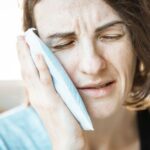
Third, apply a cool compress. A clean cloth soaked in cool water, wrung out, and placed on the area for 10 to 15 minutes can temporarily numb the nerve endings and reduce the itch signal. This is a safe, drug-free approach that works for most types of itching.
Fourth, resist the urge to scratch. Scratching damages the top layer of skin, which can introduce bacteria and turn a simple irritation into a secondary infection. If you must touch the area, use a clean fingertip to apply gentle pressure instead of scratching with nails.
Over-the-Counter Treatments That Actually Work
For confirmed fungal infections like jock itch or vaginal yeast infections, antifungal creams are the first-line treatment. Products containing clotrimazole, miconazole, or terbinafine are available without a prescription. These are applied directly to the affected area according to the package instructions, usually once or twice daily for one to two weeks.
It is important to finish the full course of treatment even if the itching stops early. Stopping prematurely can allow the fungus to regrow and become resistant to the medication.
For itching caused by contact dermatitis or mild eczema, a low-strength hydrocortisone cream (0.5% to 1%) can reduce inflammation and calm the itch. This should not be used on broken skin or if a fungal infection is suspected, because steroids can worsen fungal growth.
For women experiencing yeast infections, vaginal suppositories or inserts are another option. These deliver the antifungal medication directly to the source of the infection. Many products come in one-day, three-day, or seven-day treatment courses. The shorter courses are more convenient but may be less effective for severe infections.


When Home Care Is Not Enough: Prescription Options
If over-the-counter treatments do not resolve the itching within one week, or if symptoms worsen, you need to see a healthcare provider. Persistent itching may indicate an infection that requires prescription-strength medication.
Bacterial infections require antibiotics. These are not available over the counter. A doctor can identify the specific bacteria causing the problem and prescribe the appropriate antibiotic. Taking the wrong antibiotic or one that is not strong enough can allow the infection to spread.
For severe or recurrent yeast infections, a doctor may prescribe an oral antifungal medication like fluconazole. This is a single-dose pill that treats the infection from the inside. It is not available without a prescription and is not appropriate for everyone, particularly those with liver conditions or who are pregnant.
If a sexually transmitted infection is the cause, such as genital herpes or trichomoniasis, specific antiviral or antiparasitic medications are needed. These conditions do not respond to antifungal or antibacterial creams, which is why accurate diagnosis matters.
Lifestyle Changes That Prevent Recurrence
Once the itching is under control, the goal is to prevent it from coming back. Several habits can significantly reduce your risk of future flare-ups.
Change out of sweaty clothes promptly. After a workout or a hot day, sitting in damp clothing gives fungus and bacteria a chance to multiply. Shower and put on dry clothes as soon as possible.
Avoid douching and harsh feminine hygiene products. The vagina is self-cleaning. Douching disrupts the natural balance of bacteria and yeast, which can paradoxically increase the risk of infection. Scented sprays, powders, and wipes are common irritants that offer no health benefit.
Wipe front to back after using the toilet. This simple habit prevents bacteria from the anal area from being transferred to the urethra or vagina, which can cause infections.
Manage blood sugar if you have diabetes. High blood glucose levels feed yeast, making infections more frequent and harder to clear. Keeping blood sugar in a healthy range is one of the most effective preventive measures for people with diabetes.
Red Flags: When Itching Signals Something Serious
Most cases of genital itching are not emergencies, but some symptoms require prompt medical attention.
Seek care if the itching is accompanied by sores, blisters, or open wounds. These can indicate a sexually transmitted infection or a skin condition that needs specific treatment. Do not attempt to pop or drain any blisters yourself.
See a doctor if you have pain during urination or intercourse, unusual bleeding, or a fever. These symptoms suggest that the infection may have spread beyond the surface of the skin.
If you are pregnant, do not self-treat a suspected yeast infection without consulting your doctor. While yeast infections are common during pregnancy, some over-the-counter treatments are not recommended for pregnant women. Your doctor can recommend a safe option.
Recurrent itching that returns shortly after treatment ends also warrants investigation. This pattern can indicate an underlying condition like uncontrolled diabetes, a weakened immune system, or a resistant strain of fungus. A doctor can run tests to identify the exact cause.
Myths About Genital Itching That Can Make It Worse
Several popular beliefs about genital itching are not just unhelpful—they can actively worsen the problem.
Myth: Scratching brings relief. Scratching temporarily overrides the itch signal with a pain signal, which is why it feels good for a moment. But the relief lasts seconds, and the resulting skin damage triggers more inflammation and more itching. It is a vicious cycle.
Myth: Vinegar or baking soda baths cure infections. Some people recommend soaking in diluted vinegar or baking soda to treat yeast or bacterial infections. No clinical evidence supports these practices. In fact, vinegar is acidic and can burn already irritated skin, making the problem worse.
Myth: All itching means you have a sexually transmitted infection. While STIs can cause itching, they are far from the only cause. Most cases of genital itching are due to fungal infections, irritants, or skin conditions—none of which are sexually transmitted. Assuming an STI without evidence can cause unnecessary anxiety and delay proper treatment.
Frequently Asked Questions
How long does it take for antifungal cream to stop itching?
Most antifungal creams begin reducing itching within 24 to 48 hours of first application. Full relief typically comes after several days of consistent use, and the complete treatment course should be finished even if symptoms disappear earlier.
Can I use hydrocortisone cream on my private area?
Low-strength hydrocortisone cream can be used on the external genital area for itching caused by eczema or contact dermatitis. Do not use it if you suspect a fungal infection, as steroids can make fungal growth worse.
Is it safe to treat genital itching without seeing a doctor?
It is reasonable to try an over-the-counter antifungal cream for one week if your symptoms match a common yeast infection or jock itch. If the itching does not improve, worsens, or you develop sores, fever, or unusual discharge, see a healthcare provider for an accurate diagnosis.
Does shaving cause itching in the private area?
Shaving can cause itching due to razor burn, ingrown hairs, or folliculitis, which is inflammation of the hair follicles. Using a clean razor, shaving in the direction of hair growth, and applying a gentle moisturizer afterward can reduce this irritation.
