
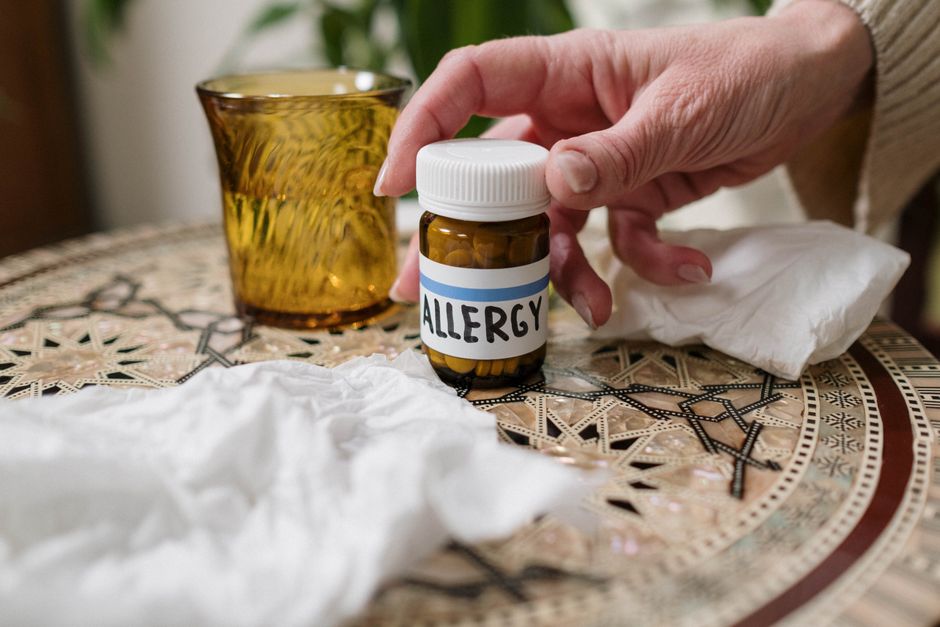
That scratchy, irritated feeling in your throat that will not go away is often not a cold. For many people, it is allergies. Allergies cause a sore throat through a process called post-nasal drip. When your immune system reacts to pollen, dust, or pet dander, your nose produces extra mucus. This mucus drips down the back of your throat, causing irritation, tickling, and pain. The good news is that relief is possible by targeting the cause, not just the symptom.
What Exactly Happens in Your Throat During an Allergic Reaction?
Your body treats allergens like invaders. When you breathe in pollen or mold spores, your immune system releases histamine. Histamine causes blood vessels to widen and tissues to swell. This swelling and increased fluid production is what gives you a stuffy nose and runny eyes.
The excess mucus has to go somewhere. Gravity pulls it down the back of your nasal passage into your pharynx, which is the medical name for your throat. This is post-nasal drip. Your throat lining is not built to handle constant mucus flow. The tissue becomes inflamed and raw. You feel a lump in your throat, a constant need to clear it, and pain when swallowing.
Research published in the journal Immunology and Allergy Clinics of North America confirms that post-nasal drip is the primary driver of allergic sore throats. Unlike a viral sore throat which often comes with fever and body aches, an allergic sore throat is dry, tickly, and persistent. It lasts as long as you are exposed to the allergen.
How Can You Tell If Your Sore Throat Is From Allergies or a Cold?
This is the most common question people have. The distinction matters because treatment is completely different. A cold is a viral infection that runs its course in 7 to 10 days. Allergies last as long as the trigger is present, which can be weeks or months.
| Symptom | Allergies | Cold or Flu |
|---|---|---|
| Onset | Sudden, right after exposure | Gradual over 1-3 days |
| Fever | Never | Common |
| Itchy eyes or nose | Very common | Rare |
| Mucus color | Clear and watery | Yellow or green later on |
| Sore throat type | Dry, tickly, scratchy | Painful, raw, swollen |
| Duration | Weeks to months | 3 to 10 days |
If you have a sore throat that comes back every spring or fall, it is almost certainly allergies. If your sore throat comes with sneezing fits and itchy eyes, allergies are the likely cause. The CDC notes that seasonal allergic rhinitis, commonly called hay fever, affects about 60 million people in the United States each year.
Why Allergies Cause A Sore Throat And How To Get Relief Through Medication
Medication is the most reliable way to stop the allergic reaction before it irritates your throat. Antihistamines block the histamine release that starts the whole process. Second-generation antihistamines like loratadine (Claritin) and cetirizine (Zyrtec) work well without causing drowsiness for most people. They are available over the counter.
Nasal sprays are often more effective for post-nasal drip specifically. Corticosteroid sprays like fluticasone (Flonase) reduce inflammation in the nasal passages directly. This stops the excess mucus production at its source. It takes a few days to reach full effect, but many people find it works better than pills for throat symptoms.
Decongestants like pseudoephedrine (Sudafed) dry up mucus. This can provide quick relief from the drip, but they can raise blood pressure and cause insomnia. The American Academy of Allergy, Asthma & Immunology recommends using decongestants for short periods only. For chronic allergies, antihistamines or nasal steroids are safer long-term options.





What Home Remedies Actually Work for an Allergy Sore Throat?
Salt water gargles are simple and effective. Warm water with half a teaspoon of salt reduces swelling and clears mucus from the throat. Gargling for 30 seconds three times a day can noticeably reduce pain. This is not a cure, but it provides real symptomatic relief.
Honey is another option with some evidence behind it. Research from the journal Pediatrics found that honey was more effective than over-the-counter cough medicine for nighttime cough in children. For adults, a spoonful of honey in warm tea coats the throat and soothes irritation. Do not give honey to children under one year old due to botulism risk.
Steam inhalation helps thin mucus so it drains more easily. Sitting in a hot shower or using a humidifier in your bedroom adds moisture to the air. Dry air makes post-nasal drip worse because the mucus becomes thicker and stickier. The American College of Allergy, Asthma & Immunology notes that maintaining indoor humidity between 40 and 50 percent can reduce allergy symptoms.
Nasal saline rinses using a neti pot or squeeze bottle physically flush out allergens and mucus from your nasal passages. This directly reduces the amount of fluid that reaches your throat. Use distilled or boiled water only. Tap water can contain organisms that cause serious infections.
What Makes Allergy Throat Pain Worse Without You Realizing It
Many people accidentally prolong their sore throat by doing things that seem helpful. Drinking milk or eating dairy is often blamed for thickening mucus. The evidence on this is mixed. Some people report more phlegm after dairy, but controlled studies have not confirmed that dairy increases mucus production. If you feel it makes things worse, avoid it. If not, there is no need to change your diet.
Overusing decongestant sprays like oxymetazoline (Afrin) can cause rebound congestion. This means your nose swells up worse than before once the spray wears off. The FDA warns against using these sprays for more than three days in a row. Rebound congestion leads to more post-nasal drip and a worse sore throat.
Smoking or vaping is one of the worst things you can do. Tobacco smoke and aerosol from vaping devices irritate the throat lining directly. When combined with post-nasal drip, the irritation is much more severe. Secondhand smoke has the same effect. The CDC states that people with allergies who smoke have significantly worse symptoms than non-smokers.
Sleeping with your mouth open dries out your throat. When nasal congestion forces you to breathe through your mouth, the throat lining loses moisture. This makes the irritation from post-nasal drip feel much sharper. Using a humidifier and a nasal strip at night can keep your mouth closed and your throat moist.
When Should You See a Doctor for an Allergy Sore Throat?
Most allergic sore throats can be managed at home. But some situations need medical attention. If your sore throat lasts longer than two weeks despite using over-the-counter antihistamines or nasal sprays, see a doctor. You may need prescription-strength medication or allergy testing.
If you have difficulty swallowing, drooling, or a muffled voice, these can be signs of a more serious condition like a peritonsillar abscess. This is rare but requires immediate treatment. A fever over 101 degrees Fahrenheit along with a sore throat suggests an infection, not allergies.
An allergist can perform skin prick tests to identify exactly what triggers your symptoms. Once you know the specific allergen, you can take targeted steps to avoid it. Immunotherapy, also called allergy shots, can reduce your sensitivity to allergens over time. The American Academy of Allergy, Asthma & Immunology reports that immunotherapy is effective for 80 to 90 percent of people with allergic rhinitis.
If your sore throat is accompanied by wheezing or chest tightness, this could indicate allergic asthma. This requires a different treatment plan. Do not ignore breathing problems. An inhaler or other asthma medication may be necessary alongside your allergy treatment.
Frequently Asked Questions
Can allergies cause a sore throat without a stuffy nose?
Yes, post-nasal drip can irritate the throat even if your nose does not feel completely blocked. You may have clear drainage that you swallow without noticing.
How long does an allergy sore throat last?
It lasts as long as you are exposed to the allergen. This can be a few hours after walking through a park or several months during pollen season.
Is it safe to take antihistamines every day for a sore throat?
Second-generation antihistamines like loratadine are safe for daily use under normal circumstances. Talk to your doctor if you have liver or kidney conditions.
Does drinking warm water help an allergy sore throat?
Warm water soothes the throat temporarily and helps thin mucus so it drains more easily. It is a safe and simple comfort measure.
