
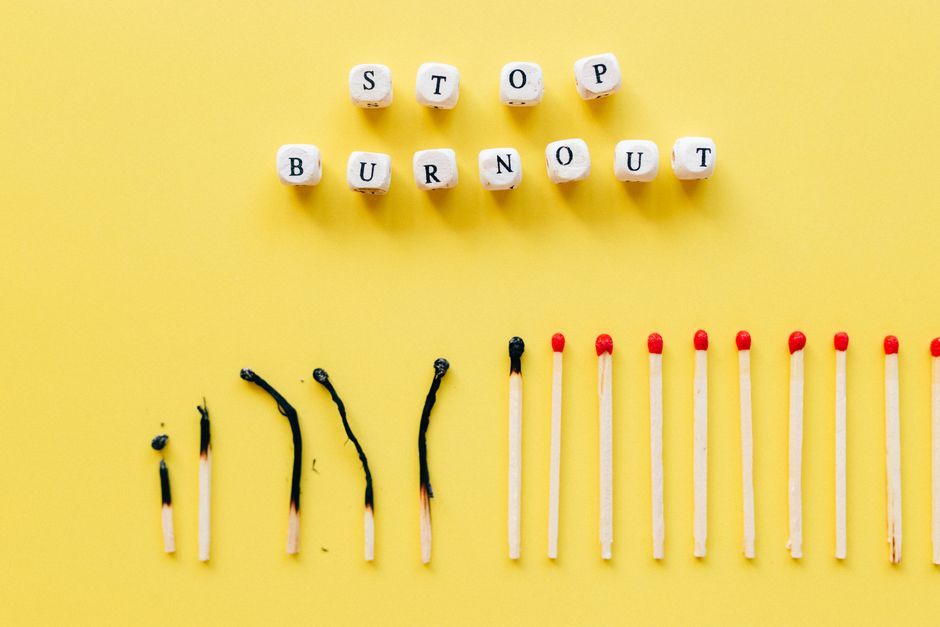
Feeling powerless is a signal, not a life sentence. It usually shows up when the gap between what you want and what you can actually control feels too wide to close. The way back is not motivation or positive thinking. It is narrowing your focus to the small number of things you genuinely influence, taking one concrete action, and repeating that until your sense of agency rebuilds.
That process is grounded in how the brain responds to perceived control, and it works whether the source of your helplessness is a job, a health problem, money, or a relationship you cannot fix. You do not need to feel powerful first. You need to act first, in a small way, and let the feeling follow.
Why Do I Feel So Powerless In The First Place?
Powerlessness is what your brain produces when it believes effort will not change the outcome. That belief is the core feature, not a character flaw.
Psychologists call this learned helplessness. The idea came from animal experiments in the 1960s, where animals exposed to unavoidable shocks later failed to escape even when escape became possible. The finding that mattered was this: the passive behavior came from learning that nothing worked, not from any real inability to act. Later research in humans showed something similar. When people believe their actions have no effect on what happens to them, they stop trying — even when circumstances change.
That is the trap. Your brain generalizes. One area where you truly have no control — a diagnosis, a layoff, another person’s choices — starts to feel like proof that you have no control anywhere. The helplessness spreads wider than the facts justify.
Stress physiology reinforces it. When you feel trapped and unable to act, the body stays in a low-grade stress state. Sustained stress can affect sleep, concentration, mood, and decision-making. Those effects make it harder to act, which confirms the belief that acting is pointless. It becomes a loop.
Naming the loop matters. Feeling powerless is a state your brain moved into, and states can shift. It is not a verdict on who you are.
What Is The Difference Between What I Control And What I Do Not?
Most of the pain of powerlessness comes from spending energy on things outside your control. Sorting them changes what you do next.
The line between control and no control is often blurrier than it looks. You rarely control outcomes. You usually control inputs. You do not control whether you get a job offer. You control how many applications you send and how you prepare. You do not control whether someone else changes. You control whether you keep engaging the same way.
Try this split:
- Full control: your next action, your words, your effort, what you read, who you ask for help, how you respond to a setback.
- Partial control: your health habits, a relationship, a project at work — you influence these but do not own the result.
- No control: other people’s decisions, the past, the economy, a diagnosis you already have, how fast your body heals.
The point is not to accept everything. It is to stop pouring effort into the third category, where effort drains you and changes nothing. That freed energy goes into the first category, where action actually moves something.
One clarification worth holding onto: accepting what you cannot control is not the same as approving of it or giving up. It is a practical move. You stop fighting a wall and start working on the door.
How Do Small Actions Rebuild A Sense Of Control?
Control is rebuilt through evidence, and the only evidence your brain trusts is action that produces a result. Small actions count because they are believable to a brain that has stopped expecting results.
If you wait to feel capable before you act, you will wait a long time. The sequence runs the other way. You act, you see an effect, and the belief that you can affect things starts to return. This is sometimes called a mastery experience, and it is one of the more reliable ways people rebuild confidence after it collapses.
The action has to be small enough that you will actually do it. Not “fix my finances.” One phone call about one bill. Not “get healthy.” A ten-minute walk today. The size is not the point. The completion is.
There is a reason this works. A completed action, however minor, gives your brain a data point that contradicts the belief that nothing you do matters. One data point does not overturn the belief. But repeated, they accumulate, and the belief loses its grip.
Keep the actions in the first category from the previous section — things fully within your control. That way the result is not left to chance, and the evidence is clean.





What Can I Do Right Now When I Feel Stuck?
When you are in the middle of the feeling, reasoning with yourself rarely helps. Doing something physical or concrete does. The goal is to interrupt the loop and get one action completed.
A few moves that tend to work:
- Pick the smallest possible next step. If it still feels too big, cut it in half.
- Do one thing you can finish in under five minutes. Finishing matters more than the task.
- Write down three things you did today, however small. This counters the brain’s habit of ignoring your own effort.
- Move your body briefly. A short walk or a few minutes of movement can shift a stuck mental state.
- Tell one person what you are dealing with. Isolation deepens the belief that nothing can change.
None of these fix the underlying situation. They are not meant to. They break the freeze so you can take the next real step. A stuck nervous system makes better decisions poorly, and a brief action helps settle it.
If the feeling is severe, lasts for weeks, and comes with hopelessness, loss of interest in things you used to enjoy, or thoughts of harming yourself, that is a different situation. Those are signs of depression, which is a treatable medical condition, not a failure of willpower. Talk to a doctor or a mental health professional. In the US, you can call or text 988 to reach the Suicide and Crisis Lifeline at any time.
How Do I Stop Waiting For Motivation?
Motivation is unreliable, and building your recovery on it is a mistake. It shows up after action more often than before it.
People who regain a sense of control usually do not feel motivated first. They build small routines and let the feeling catch up. The routine carries them on the days motivation is absent, which is most days when someone is already discouraged.
Two things make this easier. First, lower the bar until the action is almost impossible to skip. Second, attach the action to something you already do — after coffee, before you check your phone. The existing habit becomes the trigger, so you are not relying on willpower to remember.
Expect the belief to lag behind the behavior. You may complete several actions before you feel any different. That is normal and not a sign it is not working. The feeling follows the evidence, and the evidence takes time to build. Judging progress by how you feel in week one will mislead you.
When Should I Get Professional Help?
Self-directed steps help with the ordinary kind of powerlessness that follows a setback. They are not a substitute for treatment when the problem is clinical.
Consider reaching out to a professional if:
- Hopelessness or low mood lasts most of the day, nearly every day, for two weeks or more.
- You have lost interest or pleasure in things you normally enjoy.
- Sleep, appetite, or energy have changed noticeably.
- You are having thoughts of harming yourself.
- The feeling is tied to trauma, grief, or a situation that feels unsafe.
Depression and anxiety are common and treatable. Talk therapy and medication are both supported by substantial evidence, and many people use both. A doctor or therapist can help you sort out what is happening and what might help. Asking for help is itself an action within your control — often the one that changes the most.
Frequently Asked Questions
How do I stop feeling powerless and take control?
Narrow your focus to what you can actually control, then take one small action you can complete today. Repeating that rebuilds your sense of agency faster than waiting to feel motivated.
Is feeling powerless a sign of depression?
It can be, especially if it lasts most of the day for two weeks or more and comes with hopelessness or loss of interest. If that sounds like you, talk to a doctor or mental health professional.
Why do I feel powerless even when things are going well?
Learned helplessness can linger after circumstances improve, because the brain keeps expecting effort to fail. New actions that produce results are what gradually update that expectation.
What is the fastest way to feel more in control?
Complete one small task you can finish quickly, ideally something fully within your control. The finished action gives your brain direct evidence that your effort changes an outcome.
