
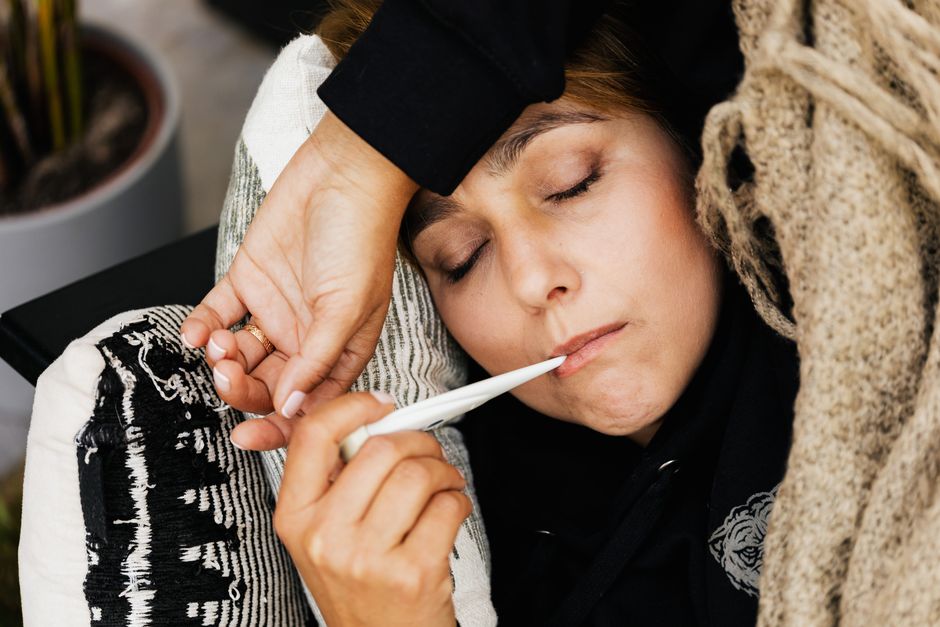
Most people who say they “stopped a cold in its tracks” were probably never getting a bad cold in the first place. That is the honest starting point. The immune system handles most viral exposures on its own, and many infections are fought off before symptoms ever appear.
What actually works is narrower and less dramatic than most advice suggests. Sleep, hand hygiene, staying up to date on vaccines, and early testing when symptoms start are the measures with real evidence behind them. Most supplements marketed for immune support have weak or absent clinical evidence in healthy adults.
How To Stop Sickness In Its Tracks What Works?
Four things have solid evidence behind them: sleep, handwashing, vaccination, and early testing when symptoms begin.
Sleep is the one people skip. Research published in the journal Sleep found that adults who slept fewer than seven hours per night were substantially more likely to develop a cold after exposure to a cold virus than those who slept eight hours or more. In that study, shorter sleep duration was one of the strongest predictors of whether participants got sick. That is an observational finding from a controlled exposure study, not proof that sleep prevents all illness, but the direction is consistent across research.
Hand hygiene works by breaking the chain of transmission. Many respiratory viruses spread through contaminated hands touching the eyes, nose, or mouth. Soap and water for at least 20 seconds, or an alcohol-based hand sanitizer when soap is not available, reduces that route meaningfully.
Vaccination is the most reliable way to reduce the chance of getting sick from specific pathogens. It does not stop everything. It reduces severity and transmission for the diseases it targets.
Early testing matters because it changes what you can do next. A positive flu test within the first day or two of symptoms opens the door to antiviral treatment, which works best when started early. A negative test rules that out and points you elsewhere.
Does Vitamin C Actually Stop a Cold?
No, and this is one of the most durable myths in health writing.
The most cited evidence comes from a large body of research coordinated through the Cochrane Library, which reviewed dozens of trials involving thousands of participants. For the general population, regular vitamin C supplementation did not reduce the incidence of colds. In a small subset of people under extreme physical stress, such as marathon runners and soldiers in subarctic conditions, it roughly halved the risk of catching a cold. For everyone else, the effect was essentially zero.
There is a separate question about duration and severity. Some trials found that taking vitamin C after symptoms start may shorten a cold by a modest amount, often described as less than a day. That is a small effect and it varies between studies.
Vitamin C is not useless. It is a genuine nutrient the body needs. The point is that taking extra does not prevent colds in ordinary circumstances. The evidence for prevention in the general population is weak.
What About Zinc, Elderberry, and Echinacea?
These three get grouped together because they are all marketed for the same purpose. The evidence is not the same for each.
Zinc has the most interesting data. Some trials found that zinc lozenges started within 24 hours of symptom onset shortened cold duration. Other trials found no effect. The results are inconsistent, and the formulation matters — zinc acetate and zinc gluconate lozenges have been studied more than others. Zinc lozenges can cause nausea and a metallic taste, and long-term high-dose zinc can interfere with copper absorption. This is not a harmless supplement to take indefinitely.
Elderberry has some small trials suggesting it may reduce cold and flu duration. Most of these studies are small, and several have been funded by manufacturers. That does not make them wrong, but it means the evidence is not strong enough to call elderberry a proven treatment.
Echinacea has been studied for decades with mixed results. Some trials show a modest reduction in cold duration. Others show nothing. A review of the evidence found that the quality of the trials varied widely, which makes it hard to draw firm conclusions.
The pattern across all three is the same: small studies, inconsistent results, and no strong evidence that any of them prevents illness. If you take them, you are making a judgment call on weak evidence, not acting on established fact.


Does Sleep Really Affect Whether You Get Sick?
Yes, and the effect is larger than most people expect.
The study I mentioned earlier is one of the clearest. Researchers exposed healthy adults to a cold virus and then tracked who got sick. Participants who slept less than seven hours a night were significantly more likely to develop a cold than those who slept eight hours or more. The difference was not small.
Sleep affects immune function through several pathways. During sleep, the body produces cytokines, which are proteins that help coordinate the immune response. Sleep deprivation reduces the activity of natural killer cells, which are part of the first line of defense against viral infections. It also affects the balance of other immune cells.
The practical implication is straightforward. If you are chronically sleeping five or six hours a night, you are likely more vulnerable to whatever is going around. That is not a guarantee you will get sick, but it shifts the odds.
Can You Stop a Sickness Once Symptoms Start?
Sometimes, but only for specific illnesses and only if you act fast.
Influenza is the clearest example. Antiviral medications such as oseltamivir (Tamiflu) can reduce illness duration and severity if started within the first day or two of symptoms. The benefit is modest — often described as shortening the illness by about a day — but it is real. For people at higher risk of complications, including older adults and those with certain chronic conditions, the benefit may be more meaningful.
COVID-19 also has antiviral treatments, including Paxlovid, that reduce the risk of severe illness when started early in the course of infection. Again, timing matters. These are prescription medications, not over-the-counter options, and they are not appropriate for everyone.
For the common cold, there is no treatment that reliably stops it once it starts. The illness runs its course. What you can do is manage symptoms and rest.
One clarification that gets lost: “stopping sickness in its tracks” usually means reducing severity or duration, not eliminating the illness. No intervention currently available reliably does the latter for common respiratory infections.
What Actually Reduces Your Risk of Getting Sick?
The measures with the strongest evidence are unglamorous.
- Sleep seven to nine hours per night. This is the most consistent finding in the research.
- Wash your hands regularly with soap and water for at least 20 seconds. Use hand sanitizer when soap is not available.
- Stay up to date on recommended vaccines, including annual influenza vaccination and COVID-19 vaccination per current guidance.
- Avoid close contact with people who are visibly sick when you can.
- Keep your hands away from your eyes, nose, and mouth. This is how many viruses enter the body.
Nutrition matters for immune function, but the effect of any single nutrient in a well-nourished person is small. Deficiencies in zinc, vitamin D, or vitamin C impair immunity. Correcting a deficiency helps. Taking extra when you are not deficient generally does not.
Stress is harder to study, but chronic stress is associated with suppressed immune function in multiple studies. The effect is real but difficult to quantify.
What Does Not Work, Despite What You Have Heard?
A few things are marketed heavily without evidence to support them.
Airborne and similar “immune booster” products have not been shown in independent trials to prevent or treat colds. The original formulation was discontinued after a legal challenge over its claims.
Colloidal silver has no evidence of effectiveness for preventing or treating infections, and it can cause a permanent bluish-gray skin discoloration called argyria.
High-dose vitamin C megadoses beyond what the body can absorb do not provide additional benefit. The body tightly regulates vitamin C levels, and excess is excreted in urine.
“Boosting” the immune system as a concept is misleading. A healthy immune system is balanced, not maximally active. An overactive immune response is what causes autoimmune disease and severe inflammatory reactions. The goal is a well-functioning immune system, not a hyperactive one.
Frequently Asked Questions
Can you actually stop a cold from getting worse?
No treatment reliably stops a cold once it starts. Rest, fluids, and symptom management are the standard approach, and the illness typically runs its course over several days.
Does vitamin C prevent colds?
For most people, no. Large reviews of the evidence found that regular vitamin C supplementation does not reduce the chance of catching a cold in the general population.
How much sleep do you need to keep your immune system strong?
Seven to nine hours per night is the general recommendation for adults. Research has found that sleeping less than seven hours is associated with a higher risk of developing a cold after exposure.
Should you take zinc at the first sign of a cold?
Some trials found that zinc lozenges started within 24 hours of symptoms shortened cold duration, but results across studies are inconsistent. Zinc can cause nausea and interfere with copper absorption if taken at high doses for long periods.
