
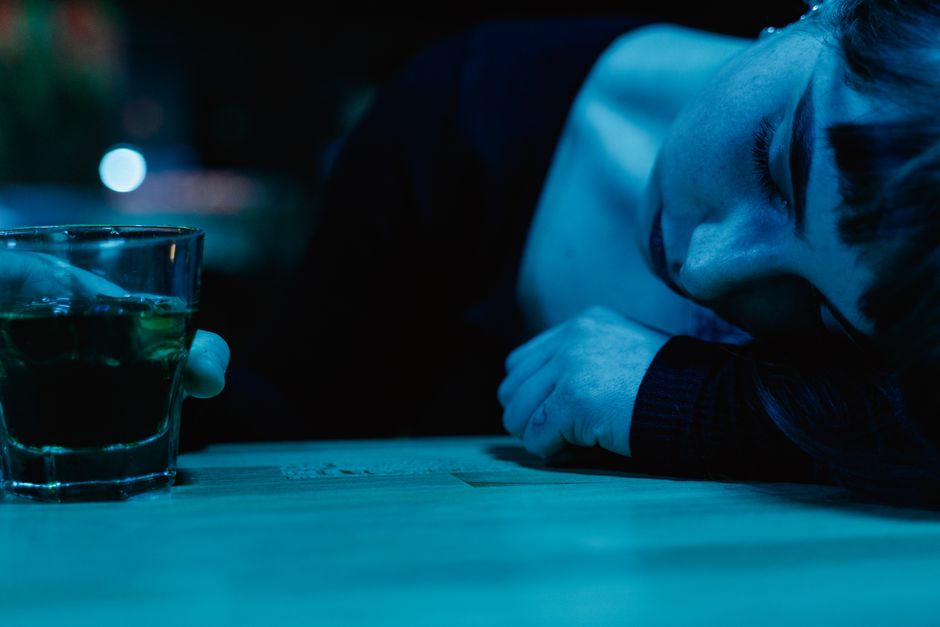
Waking up still feeling drunk is uncomfortable and confusing. The truth is, if you still feel drunk the next morning, your body has not finished processing the alcohol from the night before. The only thing that will get alcohol out of your system is time. Nothing else speeds that up. But you can relieve some of the symptoms while you wait. Drink water, eat something bland, rest, and do not drink more alcohol. Coffee and cold showers will not sober you up. If you are still very unsteady, confused, or vomiting hours after your last drink, you may need medical help.
Why Do I Still Feel Drunk the Morning After?
Alcohol leaves the body at a fixed rate. The liver processes about one standard drink per hour. If you drank more than that, your blood alcohol concentration (BAC) stayed elevated overnight. When your BAC is still above zero, you are technically still intoxicated. Feeling drunk the next day means alcohol is still affecting your brain and body.
How long it takes to feel normal depends on how much you drank, how fast you drank, and your body size. For a heavy drinking session, it can take many hours for BAC to reach zero. The tiredness, headache, and queasiness that come after drinking are part of a hangover. But the balance problems, slurred speech, and confusion are from ongoing intoxication.
How To Stop Feeling Drunk The Next Day What Works?
Nothing works to speed up alcohol metabolism. Time is the only answer. Your liver breaks down alcohol at a steady pace. No food, drink, or activity will make it go faster. What you can do is manage the symptoms while your body clears the alcohol.
Hydration helps because alcohol is a diuretic. It makes you pee more, and dehydration makes a hangover worse. Drink water or an electrolyte drink. Eating a meal with protein and healthy fats can stabilize blood sugar and settle your stomach. Sleep helps your brain recover. Avoid caffeine in large amounts because it can worsen dehydration and anxiety.
Common Myths That Do Not Work
Hair of the dog. Drinking more alcohol the next morning only prolongs the problem. It adds to your BAC and delays recovery. It is also a pattern that can lead to alcohol dependence.
Cold shower. A shock of cold water might make you feel more alert for a minute, but it does not change your BAC. Your coordination and judgment remain impaired.
Black coffee. Caffeine does not speed up alcohol metabolism. It can mask drowsiness but does not improve your ability to drive or make decisions. The combination of caffeine and alcohol may make you feel more awake than you really are, which is dangerous.
Greasy food. Eating a heavy meal late at night does not absorb alcohol already in your blood. Food slows how fast alcohol enters your bloodstream if eaten before or while drinking. Afterward, it does little to change your BAC.




What Are Hangover Symptoms and What Helps?
Hangover symptoms come from several body changes. Alcohol causes dehydration, disrupted sleep, inflammation, irritation in the stomach, and low blood sugar. Common symptoms include headache, fatigue, nausea, sensitivity to light and sound, dizziness, and trouble concentrating. These can last up to 24 hours, depending on how much you drank and your individual tolerance.
Water and electrolytes help with dehydration. Small meals with complex carbohydrates (whole-grain toast, crackers) can raise blood sugar without upsetting your stomach. Pain relievers like ibuprofen can help with headache, but never take acetaminophen (Tylenol) after drinking. The combination can damage your liver. Always check with a doctor first.
Rest. Your body needs time to process alcohol and repair. Sleep quality is often poor after drinking even if you slept for hours. Napping during the day can help.
When Is Feeling Drunk the Next Day Dangerous?
If you are still very drunk many hours after your last drink, your BAC might be dangerously high. Alcohol poisoning is a medical emergency. Signs include confusion, vomiting, seizures, slow or irregular breathing (fewer than 8 breaths per minute), cold or clammy skin, and passing out and not being able to wake up.
If you or someone else has these signs, call 911 immediately. Do not wait. Do not try to make the person vomit or drink coffee. Turn them on their side to prevent choking and stay with them until help arrives.
Even without life-threatening levels, being drunk during the day increases accident risk. You should not drive, operate machinery, or make important decisions until you are completely sober. There is no safe amount of alcohol to drive, and legally you can be charged with DUI the morning after if your BAC is over the limit.
Can Your Body Get Used to Feeling Drunk the Next Day?
Some people develop tolerance to alcohol’s sedative effects. They may not feel as impaired even though their BAC is still high. This is dangerous because objective measures like balance and reaction time are still affected. Tolerance does not mean you are safe to drive or that your body is clearing alcohol faster.
Chronic heavy drinking can lead to changes in the brain that make hangover symptoms less noticeable. This is not a sign of health. It is often a sign of alcohol dependence. If you regularly drink enough to feel drunk the next morning, it is worth talking to a healthcare provider about your drinking patterns.
How To Prevent Feeling Drunk the Next Morning
The only reliable prevention is not drinking too much. The less you drink, the faster your body clears the alcohol. A few practical tips can reduce the intensity of a hangover, but none will prevent intoxication if you drink heavily.
- Eat before and while drinking. Food slows alcohol absorption and gives your liver more time to process each drink.
- Drink water between alcoholic drinks. Alternate each alcoholic beverage with a glass of water. This slows your pace and reduces dehydration.
- Choose lighter drinks. Darker liquors and wines contain congeners, which are compounds linked to worse hangovers. Clear drinks like vodka or gin may cause less severe symptoms.
- Know your limit. Stick to one drink per hour or less. For women, moderate drinking is up to one drink per day. For men, up to two. Binge drinking (four or more drinks for women, five or more for men in about two hours) raises your BAC quickly and increases the chance of feeling drunk the next morning.
No supplement or pill prevents hangover or shortens the time alcohol stays in your system. Be skeptical of any product that claims to do so.
Frequently Asked Questions
Does coffee really help you sober up faster?
No. Coffee does not lower your blood alcohol level. It may make you feel more awake, but it does not improve coordination or judgment needed for tasks like driving.
How long does it take to stop feeling drunk the next day?
It depends on how much alcohol is still in your system. For a typical heavy night, it can take 6 to 12 hours after your last drink for BAC to reach zero. You may still have hangover symptoms after that.
Can vomiting help you get alcohol out of your system?
Vomiting removes some alcohol that is still in your stomach, but once alcohol is in your blood, vomiting does nothing. It can cause dehydration and damage your esophagus. Never make yourself vomit to try to sober up.
When should you go to the emergency room the morning after drinking?
Go if you have confusion, cannot wake up, slow or irregular breathing, seizures, or repeated vomiting. These can be signs of alcohol poisoning and require immediate medical care.
