
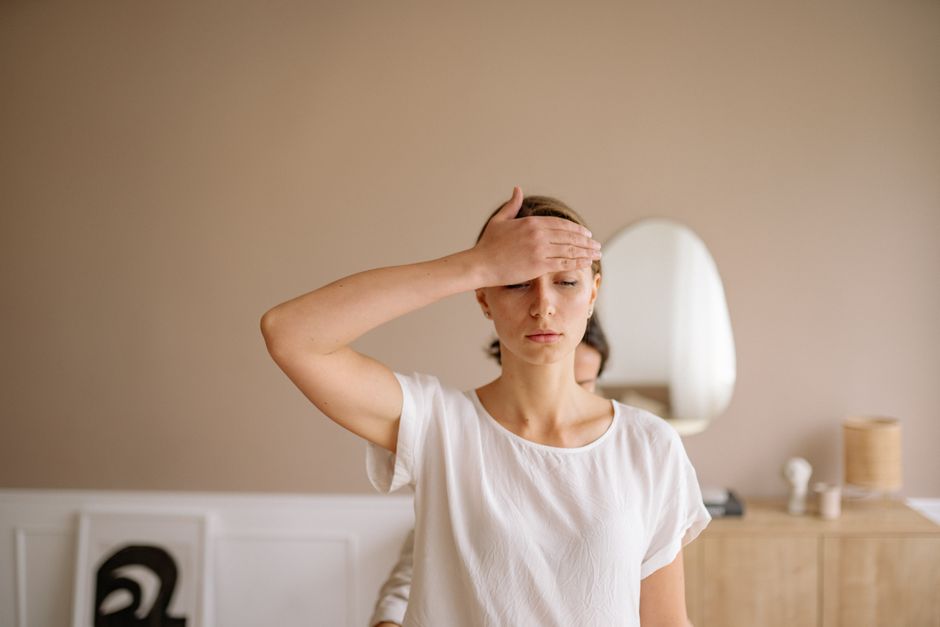
Feeling dizzy while drunk can be frightening, but it is a direct result of alcohol’s effect on your inner ear and brain. To stop the spinning sensation right now, you need to sit down, focus on a fixed point, and drink water. The dizziness will not vanish instantly, but you can reduce the intensity and prevent it from getting worse while your body processes the alcohol.
Why Does Alcohol Make You Dizzy?
Alcohol affects your sense of balance in two main ways. First, it changes the density of the fluid inside your inner ear. That fluid helps your brain sense motion and position. When alcohol thins this fluid, your brain receives confusing signals about whether you are moving or still.
Second, alcohol slows down the brain itself. Your brain relies on a steady stream of information from your eyes, inner ears, and joints to keep you balanced. Alcohol delays how fast the brain processes these signals. When those signals arrive late or scrambled, you feel unsteady and the room may seem to spin.
This is why closing your eyes often makes the dizziness worse. Your brain loses one of its reference points and relies even more on the confused signals from your inner ear.
How To Stop Being Dizzy When Drunk Right Now
If you are dizzy right now, the first step is to sit down on a stable surface. Do not try to walk to another room. Getting up quickly makes the spinning worse and raises your risk of falling.
Once seated, pick a fixed object in the room and stare at it. A picture frame on the wall or a spot on the floor works well. Keeping your eyes on a stable point gives your brain a reliable signal that the world is not moving. This does not cure the dizziness, but it often reduces the spinning sensation within a minute or two.
Drink a glass of water slowly. Alcohol dehydrates you, and dehydration worsens dizziness. Water will not sober you up, but it helps your body manage the alcohol already in your system. Avoid caffeine, which can increase dehydration and make you feel more jittery.
Do not lie flat on your back. Lying down can trigger a sensation of falling or spinning because the fluid in your inner ear shifts position. If you need to rest, sit in a reclined position with your head elevated and supported.
How Long Does Alcohol Dizziness Last?
The dizziness lasts as long as alcohol remains in your bloodstream and continues to affect your inner ear fluid. On average, the body processes about one standard drink per hour, but this varies by weight, sex, age, and how much food you have eaten.
The most intense spinning usually fades within a few hours after you stop drinking. However, some people feel a milder unsteadiness into the next day. This is sometimes called the “bed spins” hangover effect and can persist for several hours after the alcohol is gone.
There is no way to speed up how fast your liver breaks down alcohol. Drinking coffee, taking a cold shower, or vomiting does not remove alcohol from your bloodstream. These actions may make you feel more alert temporarily, but they do not reduce your blood alcohol level or stop the dizziness.

What Makes Alcohol Dizziness Worse?
Several factors can intensify the spinning sensation. Drinking on an empty stomach allows alcohol to enter your bloodstream faster, which produces a more sudden and severe effect on your balance system.
Carbonated drinks like beer or champagne are absorbed more quickly than non-carbonated drinks. Mixing alcohol with sugary beverages can also mask how much you have consumed, leading you to drink more than intended.
Moving your head quickly makes dizziness worse. This is because the alcohol-affected fluid in your inner ear sloshes around more when you turn your head suddenly. Keep your head still and your eyes open.
Standing up too fast can cause a drop in blood pressure, which adds a lightheaded feeling on top of the spinning. This is why the dizziness often feels worse when you try to get up to go to the bathroom or leave a party.
Food and Water: What Actually Helps
Eating food while you are already dizzy can help settle your stomach, but it will not stop the dizziness. Food slows the absorption of alcohol that is still in your stomach, but it cannot undo the alcohol already in your bloodstream.
Water is the most helpful thing you can consume. Alcohol is a diuretic, meaning it makes your body lose more fluid than usual. Dehydration reduces blood volume, which can lower blood pressure and contribute to lightheadedness. Replacing that fluid helps your body stabilize.
Salty snacks can help retain the water you drink, but do not overdo it if you feel nauseated. A few crackers or pretzels with water is a reasonable choice. Avoid greasy or heavy foods, which can upset your stomach further.
When Dizziness Is a Medical Emergency
Most alcohol dizziness is unpleasant but not dangerous. However, alcohol poisoning is a genuine medical emergency. If the dizzy person cannot be woken up, has cold or clammy skin, breathes fewer than eight times per minute, or is vomiting while unconscious, call emergency services immediately.
Seek medical help if the dizziness is accompanied by severe headache, chest pain, confusion, or weakness on one side of the body. These symptoms are not typical effects of alcohol and may indicate a different problem like a stroke or a severe reaction.
If someone has passed out from drinking, do not leave them alone. Place them on their side to prevent choking if they vomit. Check their breathing regularly. This is not a cure for dizziness but a safety measure while they sleep off the alcohol.
Can You Prevent Dizziness From Alcohol?
Prevention is more effective than any treatment. Eating a full meal before drinking slows alcohol absorption. The food does not block alcohol entirely, but it delays how quickly it enters your bloodstream.
Alternating each alcoholic drink with a glass of water reduces total alcohol intake and keeps you hydrated. This simple habit lowers the peak blood alcohol level you reach and reduces the severity of dizziness.
Pacing yourself matters. The faster you drink, the more alcohol accumulates in your blood before your liver can process it. Setting a limit before you start drinking and sticking to it is the most reliable way to avoid severe dizziness.
Certain medications increase the dizzying effects of alcohol. Sleep aids, antihistamines, anxiety medications, and some antibiotics interact with alcohol and can cause severe dizziness even with small amounts of alcohol. If you take any prescription medication, check with your pharmacist about alcohol interactions.
Does Vomiting Help the Dizziness?
Vomiting does not stop alcohol dizziness. By the time you feel dizzy, most of the alcohol has already been absorbed into your bloodstream. Vomiting may empty your stomach of alcohol that has not yet been absorbed, but it does nothing for the alcohol already circulating in your body.
Vomiting can actually make things worse. It causes dehydration and electrolyte loss, which can increase lightheadedness. It also raises your heart rate and blood pressure temporarily, which can intensify the spinning sensation.
The only reason to vomit is if you feel nauseated and need relief from that specific symptom. Do not force yourself to vomit as a way to sober up or stop the dizziness. It does not work.
What About Over-the-Counter Remedies?
No over-the-counter product stops alcohol dizziness. Motion sickness medications like dimenhydrinate (Dramamine) may reduce the spinning sensation in some people, but they cause drowsiness and can be dangerous when combined with alcohol. Do not take motion sickness medication while drunk without consulting a doctor.
Pain relievers like ibuprofen or acetaminophen do nothing for dizziness. Acetaminophen combined with alcohol can stress your liver. Ibuprofen can irritate your stomach lining, especially after drinking. Neither is a treatment for dizziness.
Energy drinks and caffeine products are not remedies. They mask the sedative effects of alcohol, which can lead you to drink more than you realize. The combination of a stimulant and a depressant does not reduce blood alcohol level and can increase heart rate and anxiety.
Frequently Asked Questions
Why does the room spin when I close my eyes drunk?
Closing your eyes removes one of your brain’s balance reference points, forcing it to rely entirely on the confused signals from your alcohol-affected inner ear. Keeping your eyes open on a fixed point helps your brain override those false signals.
Does drinking water stop the spins?
Water does not stop the spins, but it helps prevent dehydration from making the dizziness worse. Your body still needs time to process the alcohol already in your bloodstream.
How long does it take to not feel dizzy after drinking?
Most intense spinning fades within a few hours after you stop drinking, but some unsteadiness can last into the next day. The exact duration depends on how much you drank and how quickly your body processes alcohol.
Is throwing up the best way to get rid of alcohol dizziness?
No. Vomiting does not remove alcohol that has already entered your bloodstream, and it can increase dehydration. Only vomit if you feel genuinely nauseated and need relief from that symptom.
