
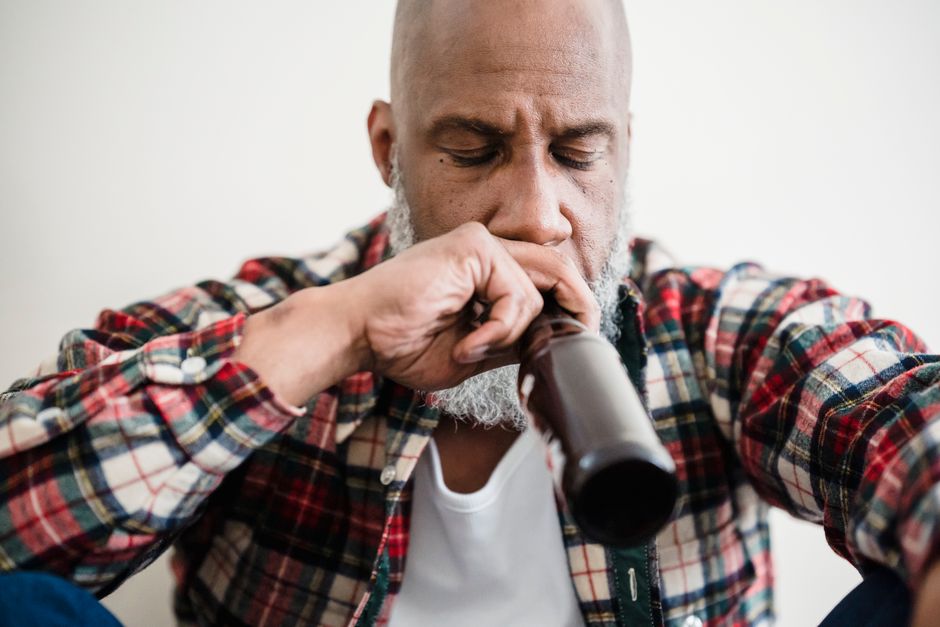
Stopping alcohol after heavy, long-term use is not just a test of willpower. It is a medical event. If you drink heavily every day and stop suddenly, your body can react with dangerous withdrawal symptoms. The safest way to stop is to plan ahead, understand what your body is going through, and get medical help when you need it. Quitting abruptly can be life-threatening, so do not white-knuckle it alone.
What Happens to Your Body When You Stop Drinking?
Alcohol works as a depressant on your central nervous system. Your brain gets used to this slowdown and compensates by becoming more excitable. When you remove alcohol suddenly, your brain stays in this overdrive state. This is what causes withdrawal.
Symptoms can start as soon as 6 to 12 hours after your last drink. Early signs include anxiety, shaking, sweating, nausea, and trouble sleeping. For many people, these symptoms peak within 24 to 72 hours and then fade over several days.
For a smaller group of people, withdrawal becomes severe. This can include hallucinations, rapid heart rate, high blood pressure, and seizures. The most serious form is called delirium tremens, or DTs. It is a medical emergency that can be fatal without treatment.
How To Stop Drinking Alcohol Safely Withdrawal Tips
The single most important tip is to be honest about your drinking pattern before you stop. If you have been drinking daily for weeks or months, or if you have experienced withdrawal before, you need medical supervision. Do not attempt to stop cold turkey on your own.
Here are the core steps for a safer withdrawal process:
- Talk to a doctor first. A physician can assess your risk and prescribe medications to reduce symptoms and prevent seizures. This is the safest path.
- Do not stop abruptly if you are a heavy daily drinker. Medical detox often involves gradually reducing your alcohol intake or using medications like benzodiazepines to manage the transition.
- Stay hydrated. Alcohol causes dehydration. Drinking water and electrolyte-containing fluids helps your body regulate itself during withdrawal.
- Do not replace alcohol with sedatives. Mixing alcohol withdrawal with sleeping pills or anti-anxiety medications without medical guidance is dangerous.
- Arrange for someone to stay with you. If you must detox at home, do not do it alone. Have a trusted person check on you regularly for at least the first 72 hours.
These tips are not a substitute for medical care. They are harm-reduction strategies that support a safer process when clinical supervision is not immediately available.
When Is Alcohol Withdrawal an Emergency?
Some withdrawal symptoms require immediate medical attention. Do not wait to see if they pass. Call emergency services if you or someone you are with experiences:
- Seizures
- Confusion or disorientation
- Severe agitation or paranoia
- Hallucinations, especially visual or tactile ones
- Fever
- Rapid or irregular heartbeat
- Heavy sweating combined with shaking
These symptoms can indicate delirium tremens. DTs typically begin 48 to 72 hours after the last drink but can start later. Without treatment, the condition can be fatal. Emergency rooms are equipped to manage this safely with IV fluids, medications, and continuous monitoring.
If you have a history of seizures or DTs, your risk of severe withdrawal is much higher. The same is true if you are older, have liver disease, or have other underlying health conditions.





What Medications Are Used for Alcohol Withdrawal?
Medications are the standard of care for moderate to severe alcohol withdrawal. They do not “cure” addiction, but they stabilize the brain and body during the dangerous window.
Benzodiazepines are the most commonly used class. They calm the nervous system and prevent seizures. Common examples include diazepam (Valium), lorazepam (Ativan), and chlordiazepoxide (Librium). These are prescribed and monitored by a doctor.
Other medications may be used to manage specific symptoms. Anti-nausea drugs can help with vomiting. Beta-blockers may reduce heart rate and blood pressure. Thiamine (vitamin B1) is often given because heavy alcohol use depletes it, and deficiency can cause serious brain damage.
Do not ask a friend for leftover medications. Do not buy anything online. These drugs require careful dosing and monitoring, especially during detox.
What Is the Timeline for Alcohol Withdrawal?
The timeline varies by person, but there is a general pattern. Knowing it helps you know what to expect.
| Time Since Last Drink | Typical Symptoms |
|---|---|
| 6 to 12 hours | Mild anxiety, sweating, tremor, nausea, headache |
| 12 to 24 hours | Increased heart rate, insomnia, possible hallucinations |
| 24 to 72 hours | Peak risk for seizures and DTs in severe cases |
| 5 to 7 days | Physical symptoms generally subside |
Some people experience lingering symptoms for weeks or months. This is called protracted withdrawal. It includes ongoing anxiety, fatigue, poor sleep, and mood swings. These symptoms are real, but they are not life-threatening. They are a sign your brain is still rebalancing.
What Happens After the Physical Withdrawal Ends?
Getting through detox is only the first step. The physical dependence is resolved, but the psychological and behavioral patterns remain. This is where long-term support matters.
Options include counseling, cognitive behavioral therapy, support groups like Alcoholics Anonymous or SMART Recovery, and medications that reduce cravings. Naltrexone, acamprosate, and disulfiram are approved for alcohol use disorder. They are not for everyone, and they require a prescription.
Relapse is common. It is not a moral failure. It is a signal that the current treatment plan needs adjustment. Many people try multiple times before achieving lasting change.
No single approach works for everyone. The evidence is clear that a combination of medical care, behavioral support, and ongoing social support produces the best outcomes.
Can You Detox at Home Safely?
For some people, yes. For others, no. The difference depends entirely on your drinking history and health status.
Home detox may be reasonable if you have been drinking moderately, have no history of severe withdrawal, and have someone to monitor you. But even then, you should inform your doctor first.
Home detox is not safe if you have:
- Drunk heavily every day for months or years
- Experienced seizures or DTs before
- Other medical conditions like heart disease or liver failure
- A history of using sedatives or opioids alongside alcohol
- No one available to stay with you
If you fall into any of these categories, inpatient detox is the safer choice. This does not mean you are weak. It means you have a higher medical risk, and you are taking it seriously.
What Are the First Steps to Take Right Now?
Start by writing down your drinking pattern. How much do you drink each day? How long has this pattern lasted? Have you ever experienced withdrawal before? This information matters when you talk to a doctor.
Make an appointment with your primary care physician or call a local addiction treatment center. Many offer same-day assessments. Be completely honest about your drinking. Doctors are not there to judge you. They need accurate information to keep you safe.
If you cannot get an appointment quickly, call a substance abuse helpline. They can connect you with local resources and answer urgent questions. Do not delay this step because you feel embarrassed. Your safety comes first.
Frequently Asked Questions
How long does alcohol withdrawal last?
Acute withdrawal symptoms usually peak within 24 to 72 hours and largely resolve within 5 to 7 days. Some people experience milder lingering symptoms for weeks or months.
Is it dangerous to stop drinking cold turkey?
Yes, for heavy daily drinkers, stopping abruptly can cause seizures or delirium tremens, which can be fatal. Medical supervision is strongly recommended for anyone at risk.
What helps with alcohol withdrawal symptoms at home?
Hydration, rest, and having a trusted person nearby can help with mild symptoms. Medications for withdrawal should only be used under a doctor’s supervision.
When should I go to the hospital for alcohol withdrawal?
Go to the emergency room if you have a seizure, confusion, hallucinations, fever, or a rapid heartbeat. These are signs of severe withdrawal that requires immediate medical care.
