
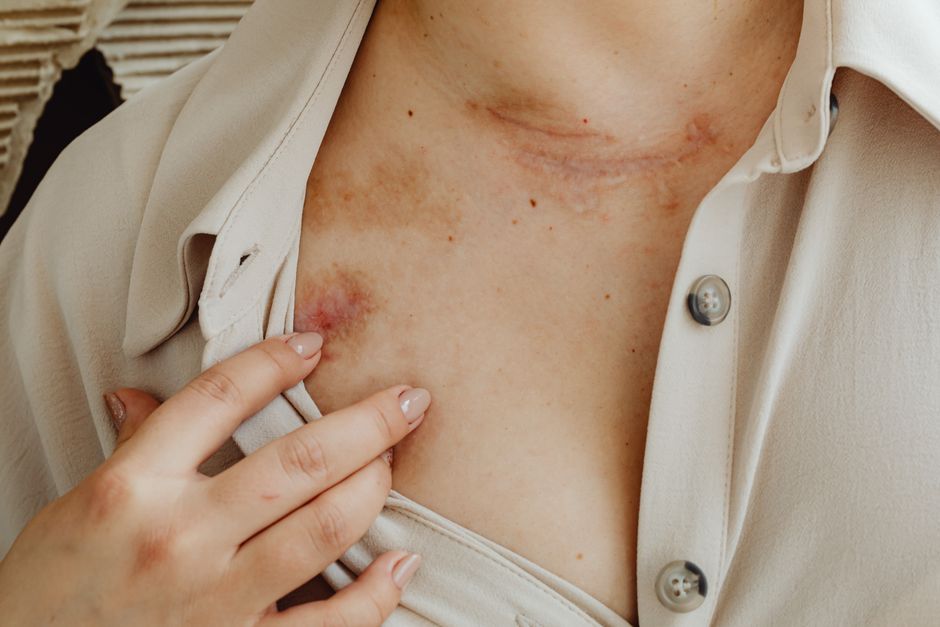
When a wound oozes, it is a normal part of healing. That clear or slightly yellow fluid is plasma and white blood cells working to clean the area. Your goal is not to stop the oozing completely but to manage it so the wound stays moist enough to heal without becoming a breeding ground for bacteria. The most direct way to do this is to clean the wound gently with mild soap and water, apply a thin layer of an antibiotic ointment or plain petroleum jelly, and cover it with a non-stick bandage. Change this dressing once or twice a day, or any time it becomes soaked through. Keeping the wound slightly moist, not wet, is the key to faster healing and less scarring.
What Causes a Wound to Ooze?
Oozing is your body’s first response to injury. The medical term for this fluid is exudate. It is mostly water but also contains proteins, nutrients, and immune cells. This fluid helps flush out debris and bacteria from the wound site.
The amount of ooze depends on the wound size and depth. A shallow scrape will produce less fluid than a deep surgical incision. Inflammation from the injury causes blood vessels to leak fluid into the tissue. This is a healthy process as long as it does not go on for too long.
You should expect oozing for the first two to three days. After that, the fluid should become less clear and more yellow or white as it mixes with dead cells. This is normal. If the ooze turns green, thick, or smells bad, that is a sign of infection and you need medical attention.
How To Stop A Wound From Oozing And Promote Healing With Proper Cleaning
Cleaning a wound correctly is the single most important step. Do not use hydrogen peroxide or rubbing alcohol. These kill healthy cells and slow healing. Research shows they do more harm than good.
Use cool running water and mild soap instead. Let the water run over the wound for a few seconds. Pat it dry with a clean cloth or gauze. Do not rub. Rubbing can damage new tissue that is trying to form.
If there is debris or dirt in the wound, you may need to flush it out. A syringe without a needle filled with saline solution works well. You can buy saline at a pharmacy or make your own by mixing one teaspoon of salt with a quart of boiled and cooled water. Do this gently. Forceful spraying can push bacteria deeper.
Dressing the Wound to Control Fluid
What you put on the wound matters more than most people realize. A dry wound heals slower. A wet wound can cause skin breakdown. You want the wound to stay moist but not soaked.
The best dressing for an oozing wound is a non-stick pad. These do not stick to the wound when you change the bandage. Sticking bandages can rip off new skin cells. For heavy oozing, look for a hydrocolloid dressing. These absorb fluid and form a gel that protects the wound.
Change the dressing when it becomes wet. For most wounds, this means once or twice a day. If the dressing is dry after 24 hours, you can leave it on longer. Touching the wound too often can introduce bacteria and slow healing.




What to Apply to the Wound Surface
A thin layer of ointment helps keep the wound moist and prevents the bandage from sticking. Petroleum jelly works as well as antibiotic ointments for most clean wounds. Studies have found that plain petroleum jelly is just as effective at preventing infection in minor cuts and scrapes.
Antibiotic ointments like Neosporin can cause allergic reactions in some people. The rash looks like red, itchy skin around the wound. If you see this, switch to plain petroleum jelly. There is no evidence that antibiotic ointments speed healing compared to keeping the wound moist with a simple barrier.
Do not apply creams, lotions, or home remedies like honey or sugar directly to an open wound unless directed by a doctor. Honey has some antibacterial properties, but the evidence for its use on fresh wounds is not strong enough to recommend it for everyone. Stick with simple, proven options.
Signs You Need to See a Doctor
Most wounds heal on their own with proper care. But some situations need medical attention. If the oozing does not slow down after three days, something may be wrong.
Here are clear signs to watch for:
- The wound becomes more painful instead of less painful over time
- Redness spreads beyond the edge of the wound
- The ooze turns green, thick, or has a bad smell
- You develop a fever above 100.4 degrees Fahrenheit
- The wound edges start to turn black or dark purple
If you have diabetes or a weakened immune system, see a doctor for any wound that does not improve within a few days. These conditions slow healing and increase infection risk. Current research suggests that people with diabetes should have regular foot checks to catch wounds early.
Comparison of Common Wound Care Products
| Product | Best For | Evidence Level |
|---|---|---|
| Petroleum jelly | Keeping wound moist, preventing bandage stick | Strong – multiple studies support use |
| Antibiotic ointment | Wounds with visible dirt or debris | Moderate – similar to petroleum jelly for clean wounds |
| Hydrocolloid dressing | Heavy oozing wounds, blisters | Strong – effective for fluid management |
| Hydrogen peroxide | Not recommended for wound cleaning | Weak – damages healthy tissue |
| Saline solution | Flushing debris from wound | Strong – safe and effective |
This table compares common products based on what the evidence actually shows. The safest choice for most wounds is petroleum jelly with a non-stick bandage. More expensive products are not always better.
Common Misconceptions About Wound Oozing
Many people believe that letting a wound “air out” helps it heal faster. This is not true. A covered wound heals faster than an uncovered one. Exposure to air dries out the wound and forms a scab. Scabs are not necessary for healing. They actually slow the process down.
Another myth is that you should scrub a wound hard to clean it. Scrubbing damages new tissue. Gentle rinsing is all that is needed. The body does most of the cleaning work on its own.
Some people think that if a wound oozes a lot, they should keep it completely dry. This is also wrong. The wound needs moisture to allow cells to move and rebuild. The goal is to manage the fluid, not stop it entirely. As of 2026, wound care guidelines consistently recommend moist wound healing for better outcomes.
Frequently Asked Questions
How often should I change the bandage on an oozing wound?
Change the bandage once or twice a day, or whenever it becomes soaked through with fluid.
Can I use hydrogen peroxide to clean a wound?
No, hydrogen peroxide damages healthy tissue and slows healing. Use mild soap and water instead.
When should I worry about wound oozing?
Worry if the ooze turns green, thick, or smells bad, or if redness and pain increase after three days.
Does a wound heal faster covered or uncovered?
A covered wound heals faster because it stays moist and protected from bacteria and dirt.
