
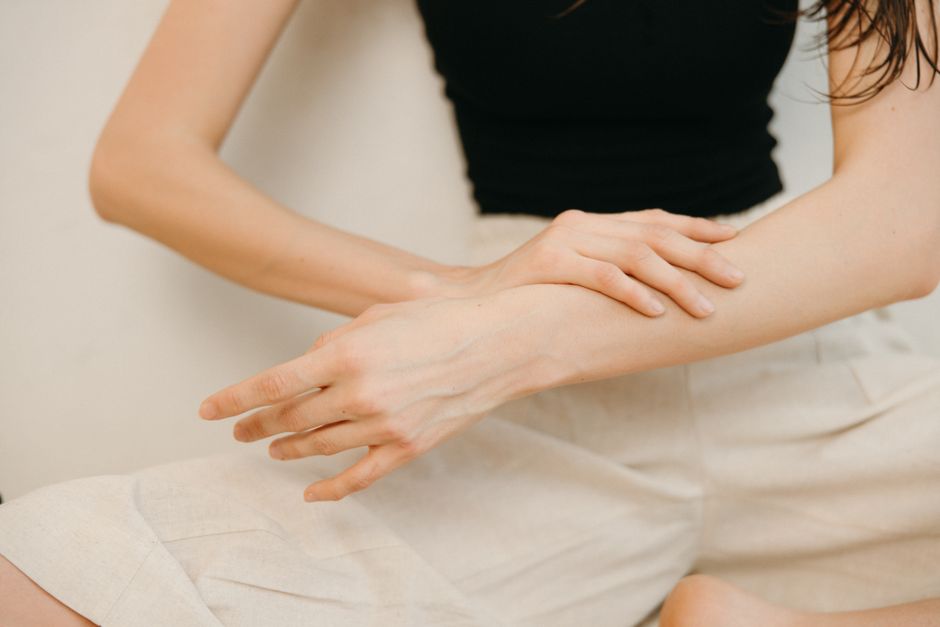
Waking up with a stiff hand can make simple morning tasks feel difficult. Stiffness can also appear after typing, gripping, or during the night. The cause ranges from temporary fluid buildup to chronic joint conditions. Identifying why your hand feels tight is the first step toward finding relief and knowing when to see a doctor.
What Causes Hand Stiffness?
Hand stiffness has several common causes. The most frequent is arthritis, which affects the joints directly. Another common cause is tenosynovitis, an inflammation of the tendon sheaths. Fluid retention, nerve compression, and previous injuries can also produce stiffness.
Your age, activity level, and medical history shape which cause is most likely. A stiff hand that improves within minutes of moving is different from one that stays tight all day. The pattern of your stiffness offers important clues about what is happening.
Is It Osteoarthritis or Rheumatoid Arthritis?
These two conditions are often confused but they behave differently. Osteoarthritis is wear-and-tear damage to cartilage. It typically affects the base of the thumb and the end joints of the fingers. Stiffness from osteoarthritis usually lasts under 30 minutes in the morning.
Rheumatoid arthritis is an autoimmune disease. The immune system attacks the lining of the joints. It usually affects the middle finger joints and the wrist, often on both hands at the same time. Morning stiffness in rheumatoid arthritis often lasts more than an hour, sometimes several hours.
Blood tests and X-rays can distinguish between these two types. Rheumatoid arthritis requires different treatment than osteoarthritis, so an accurate diagnosis matters. If stiffness lasts over an hour every morning, mention that to your doctor.
Why Does My Hand Feel Stiff After Sleeping?
Nighttime hand stiffness has several possible explanations. Fluid can pool in your hands while you lie still. This is more noticeable if you sleep with your arms bent or your hands below heart level. Movement in the morning helps pump that fluid out.
Sleeping positions also compress nerves. Keeping your wrist bent all night can irritate the median nerve, which runs through the carpal tunnel. This can produce a stiff, numb, or swollen feeling in the morning.
Some research suggests that joint fluid thickens during inactivity. Just as a cold engine runs rough until it warms up, joints move more smoothly once fluid circulates. This explains why gentle movement often relieves morning stiffness within minutes.





Can Trigger Finger Cause Hand Stiffness?
Trigger finger, medically called stenosing tenosynovitis, causes a very specific type of stiffness. A finger may lock in a bent position and then snap straight with a click. This happens when the tendon sheath narrows and the tendon gets caught on it.
Trigger finger often feels worst in the morning. The finger may be hard to straighten at first, then suddenly give way. It can affect any finger but most commonly affects the ring finger and thumb.
Splinting, anti-inflammatory medication, and steroid injections are common treatments. Severe cases may require a minor surgical procedure to release the tendon. If you notice a catching or locking sensation, that pattern points more toward trigger finger than arthritis.
What Is Carpal Tunnel Syndrome and How Does It Cause Stiffness?
Carpal tunnel syndrome results from pressure on the median nerve at the wrist. The classic symptoms are tingling and numbness in the thumb, index, and middle fingers. Many people also describe a feeling of swelling or stiffness even though the hand looks normal.
Symptoms often worsen at night. Many people shake their hands to get relief, a motion sometimes called the “flick sign.” Stiffness from carpal tunnel is really a nerve symptom rather than a joint problem. The hand feels clumsy and tight because nerve signals are disrupted.
Wrist splints worn at night keep the wrist in a neutral position. This reduces pressure on the nerve. If splinting does not help within a few weeks, further evaluation is warranted.
When Hand Stiffness Signals Dupuytren’s Contracture
Dupuytren’s contracture is less common but important to recognize. It involves thickening of the tissue beneath the skin in the palm. Over time, this tissue forms cords that pull one or more fingers toward the palm.
The ring and little fingers are most often affected. Early signs include a firm nodule in the palm or a feeling of tightness when flattening the hand. Unlike arthritis, Dupuytren’s does not primarily involve the joints themselves.
This condition tends to run in families and is more common in people of Northern European descent. Progression is slow, often over years. Treatment depends on how much the contracture limits hand function.
Home Remedies for Stiff Hands
Several approaches can reduce hand stiffness at home. Heat therapy helps relax tissues and increase blood flow. A warm paraffin wax bath or a heated hand mitt for 10 to 15 minutes can ease morning stiffness.
Gentle stretching maintains joint mobility. Simple exercises include slowly making a fist, straightening your fingers fully, and touching each fingertip to your thumb. Repeat each motion several times without forcing movement past the point of pain.
Cold therapy can help when stiffness comes with swelling or inflammation. Apply an ice pack wrapped in a thin towel for 10 to 15 minutes. Cold reduces inflammation but should not be used if it makes the stiffness worse.
Over-the-counter anti-inflammatory medications such as ibuprofen or naproxen can reduce both pain and stiffness. These are intended for short-term use. Long-term daily use carries risks to the stomach and kidneys.
Hand Exercises That Actually Help
Exercise is one of the most evidence-supported approaches for hand stiffness. Specific movements keep tendons gliding smoothly and maintain joint range of motion. Consistency matters more than intensity.
Finger bends and extensions are foundational. Tendon gliding exercises move each finger joint through its full range in a sequence. These exercises are commonly taught by hand therapists for stiffness after injury or surgery.
Grip strengthening with a soft therapy ball can help, but only if inflammation is not active. Exercising an acutely inflamed joint can worsen symptoms. If stiffness increases after exercise, reduce the intensity or frequency.
A hand therapist or occupational therapist can design a program specific to your condition. This is especially valuable after surgery or when stiffness has persisted for months.
When to See a Doctor for Hand Stiffness
Occasional stiffness that resolves with movement is generally not urgent. But certain signs warrant medical evaluation. Seek care if stiffness is accompanied by visible joint deformity, or if the hand becomes red, hot, or severely swollen.
Sudden inability to move fingers or grip objects is another red flag. Numbness that persists beyond a few minutes, or weakness that affects daily activities, also requires attention. These symptoms can indicate nerve compression or other conditions needing treatment.
Stiffness lasting more than two weeks despite home care deserves evaluation. Early treatment of inflammatory arthritis can prevent joint damage. Delaying diagnosis rarely helps and can make outcomes worse.
Frequently Asked Questions
Why is my hand stiff when I wake up?
Fluid pooling overnight and reduced joint movement during sleep are the most common causes. Most morning stiffness eases within 30 minutes of gentle activity.
How long does morning hand stiffness last with arthritis?
Osteoarthritis stiffness typically lasts under 30 minutes. Stiffness lasting more than an hour is more characteristic of inflammatory arthritis such as rheumatoid arthritis.
Can typing cause permanent hand stiffness?
Typing itself does not cause permanent stiffness, but it can aggravate conditions like carpal tunnel syndrome or tendonitis. Persistent stiffness from repetitive activity should be evaluated because nerve compression can worsen over time.
Is heat or ice better for a stiff hand?
Heat is generally better for stiffness without significant swelling. Ice is preferable when stiffness comes with visible inflammation or recent injury.
