
An asthma cough is not like a cold cough. It comes from inflamed airways that tighten and produce extra mucus. You cannot simply suppress it with cough syrup. The most effective way to stop an asthma cough is to treat the airway inflammation itself with your prescribed controller medication, while avoiding known triggers that make the cough worse. If you do not have an asthma action plan, the first step is to see a doctor to get one. This article explains the specific tips that work, the triggers to avoid, and when a cough means you need emergency care.
Why Does Asthma Cause a Cough?
Asthma is a condition where the airways in your lungs are sensitive and inflamed. When you encounter a trigger, the muscles around the airways tighten. The lining of the airways swells. Your body produces more mucus. All three of these changes narrow the space where air can travel.
That narrowing makes it hard to breathe. It also irritates the nerve endings in your airway walls. That irritation is what produces the cough. In many people with asthma, a cough is the first sign that their airways are narrowing. In some people, called cough-variant asthma, a chronic dry cough is the only symptom they have.
An asthma cough is often worse at night or early in the morning. It can also appear during or right after exercise. Understanding this mechanism matters because it explains why a cough drop or a spoonful of honey will not fix the problem. The issue is deep in the lungs, not in your throat.
How To Stop Coughing From Asthma Tips And Triggers: The Core Steps
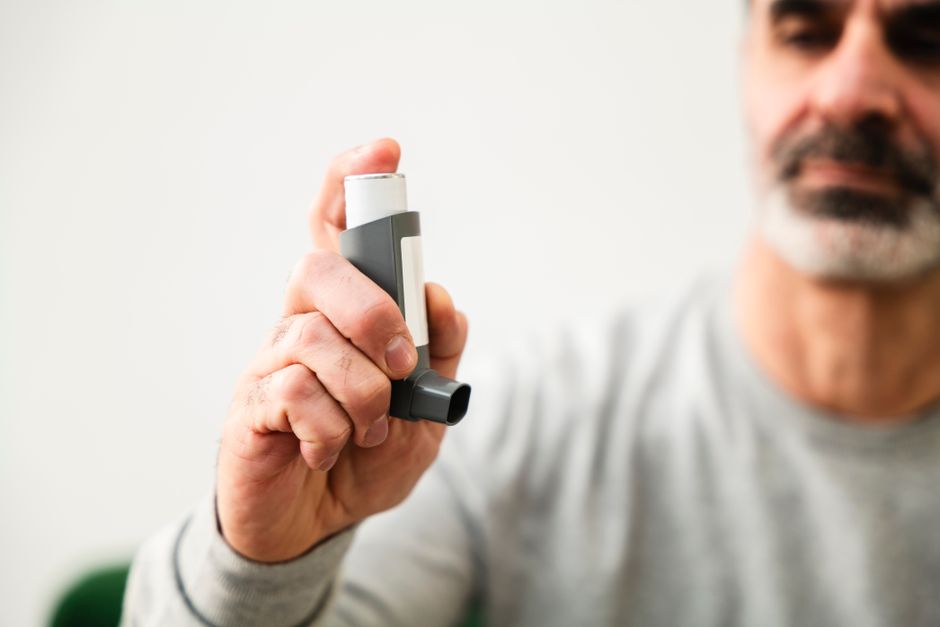
The single most reliable way to stop an asthma cough is to use your rescue inhaler as prescribed. These are usually blue inhalers containing a fast-acting bronchodilator like albuterol. They work by relaxing the tight muscles around the airways. Relief typically starts within minutes and lasts for four to six hours.
If you are coughing several times a week, your asthma is not well controlled. You likely need a daily controller inhaler. These contain inhaled corticosteroids that reduce the inflammation in the airway lining over time. This is not a quick fix. It takes days to weeks of daily use to see the full effect. But this is the treatment that actually reduces the frequency and severity of asthma coughing.
If you do not have an asthma diagnosis and you have a cough that lasts more than eight weeks, see a doctor. A chronic cough has many causes. These include post-nasal drip, acid reflux, and chronic bronchitis. Testing is needed to confirm whether asthma is the cause.
What Triggers an Asthma Cough?
Triggers are specific to each person. What causes a severe cough in one person may not bother another. The most common triggers are well documented and worth reviewing.
- Allergens: Dust mites, pet dander, pollen, and mold are frequent culprits. If your cough is worse at home or during certain seasons, allergens may be driving it.
- Air irritants: Cigarette smoke, wood smoke, strong perfumes, cleaning fumes, and air pollution can all irritate sensitive airways.
- Respiratory infections: A cold, flu, or COVID-19 infection can inflame airways for weeks. This is a common reason asthma symptoms suddenly worsen.
- Exercise: Physical activity, especially in cold or dry air, can trigger airway narrowing. This is called exercise-induced bronchoconstriction.
- Cold air: Breathing in cold, dry air quickly can cause the airways to tighten.
- Weather changes: Sudden shifts in temperature, humidity, or barometric pressure can be triggers for some people.
- Acid reflux: Stomach acid can travel up into the throat and irritate the airways, especially at night.
- Certain medications: Aspirin and other nonsteroidal anti-inflammatory drugs (NSAIDs) trigger asthma symptoms in a small percentage of people.
Keeping a symptom diary can help you identify your personal patterns. Write down when the cough happens, where you are, what you were doing, and what the air quality was like. Over a few weeks, patterns often become clear.





Practical Tips to Reduce an Asthma Cough Right Now
When you feel an asthma cough starting, act early. Waiting makes it harder to control.
First, use your rescue inhaler. Sit upright. Take slow, deep breaths. Do not lie down, as this can make airway collapse worse. If your symptoms do not improve after one cycle of inhaler use, follow your asthma action plan for the next step.
Second, remove yourself from the trigger. If you walked into a room with strong perfume, step outside. If cold air is the issue, breathe through a scarf or mask to warm and humidify the air before it reaches your lungs.
Third, drink warm fluids. Warm water or tea can help soothe the throat and loosen mucus. This does not treat the airway inflammation, but it can reduce the urge to cough from throat irritation.
Fourth, practice slow, controlled breathing. Breathe in through your nose for two counts. Breathe out through pursed lips for four counts. This technique helps keep airways open longer and reduces the work of breathing. It is not a substitute for medication, but it can help you stay calmer while the medication takes effect.
When a Cough Means You Need Emergency Care
Not every asthma cough can be managed at home. Some situations require immediate medical attention. Do not wait to see if things improve on their own.
Seek emergency care if you experience any of the following:
- Your rescue inhaler is not helping after 20 minutes
- You cannot finish a sentence without stopping to catch your breath
- Your lips or fingernails look blue or gray
- You feel confused, drowsy, or unusually agitated
- Your chest feels tight or painful
- You have retractions, where the skin pulls in around your ribs or neck when you breathe
These are signs of a severe asthma attack. This is a medical emergency. Call 911 or have someone drive you to the nearest emergency department. Do not drive yourself.
Long-Term Strategies to Prevent an Asthma Cough
Stopping a cough in the moment is only half the battle. The goal is to prevent the cough from starting in the first place. This requires consistent management, not occasional treatment.
Take your controller medication every day, even when you feel fine. Inhaled corticosteroids are the backbone of asthma management. They reduce the underlying inflammation that makes your airways sensitive. Skipping doses, even for a few days, can allow inflammation to build back up.
Use a spacer with your inhaler. A spacer is a tube that attaches to the inhaler. It holds the medication in a chamber so you can inhale it slowly and deeply. This delivers more medication to your lungs and less to your throat and mouth. Many people do not use spacers because they were never shown how. Ask your pharmacist or doctor for a demonstration.
Rinse your mouth with water after using an inhaled corticosteroid. This reduces the risk of oral thrush and hoarseness, which are common side effects of these medications.
Monitor your breathing at home with a peak flow meter. This small handheld device measures how fast you can blow air out. Regular use can show you when your airways are narrowing before you feel symptoms. If your peak flow drops into your yellow or red zone, follow your action plan. This early warning system is one of the most underused tools in asthma care.
Address your environment. If dust mites are a trigger, use allergen-proof covers on your mattress and pillows. Wash bedding in hot water weekly. If pets are a trigger, keep them out of the bedroom. If air pollution is a trigger, check local air quality indexes and stay indoors on high-pollution days.
Get an annual flu shot. Respiratory infections are a leading cause of asthma flare-ups. The flu vaccine does not prevent all infections, but it reduces the risk and severity of flu-related complications.
Does Cough Medicine Help an Asthma Cough?
Over-the-counter cough suppressants generally do not help an asthma cough. These medications work on the brain’s cough center or numb the throat. They do nothing for the narrowed, inflamed airways that cause the cough.
Some doctors may recommend an expectorant like guaifenesin to thin mucus. The evidence for this in asthma is limited. The most reliable approach remains treating the airway inflammation directly with prescribed asthma medication.
Honey is a common home remedy for coughs. Some research suggests it can soothe an irritated throat and reduce nighttime cough in children with colds. However, there is no strong evidence that honey treats an asthma cough. It may provide temporary relief from throat irritation, but it will not open your airways. Do not give honey to children under one year of age due to the risk of infant botulism.
Frequently Asked Questions
Can you stop an asthma cough without an inhaler?
No reliable method exists to stop an asthma cough without medication. Breathing techniques and removing yourself from triggers can help, but the airway narrowing requires a bronchodilator to reverse.
Why is my asthma cough worse at night?
Nighttime coughing is common because lying down changes how mucus drains, and hormone levels that affect airway tone shift during sleep. Acid reflux and allergens in your bedroom can also make nighttime coughing worse.
Is a dry cough or a wet cough more common with asthma?
Both types occur. Cough-variant asthma typically causes a dry, persistent cough, while a flare-up with significant mucus production can produce a wet cough. The presence of mucus does not rule out asthma.
How long does an asthma cough last after a cold?
It varies widely. Some people recover in a week, while others cough for several weeks after the infection clears. If your cough lasts more than three weeks after a cold, see your doctor to reassess your asthma control.
An asthma cough is a signal that your airways are inflamed and narrowed. Treat the inflammation, avoid the triggers, and follow your action plan. If you do not have an action plan, make an appointment with your doctor. Asthma is a manageable condition, but it requires active, consistent care.
