
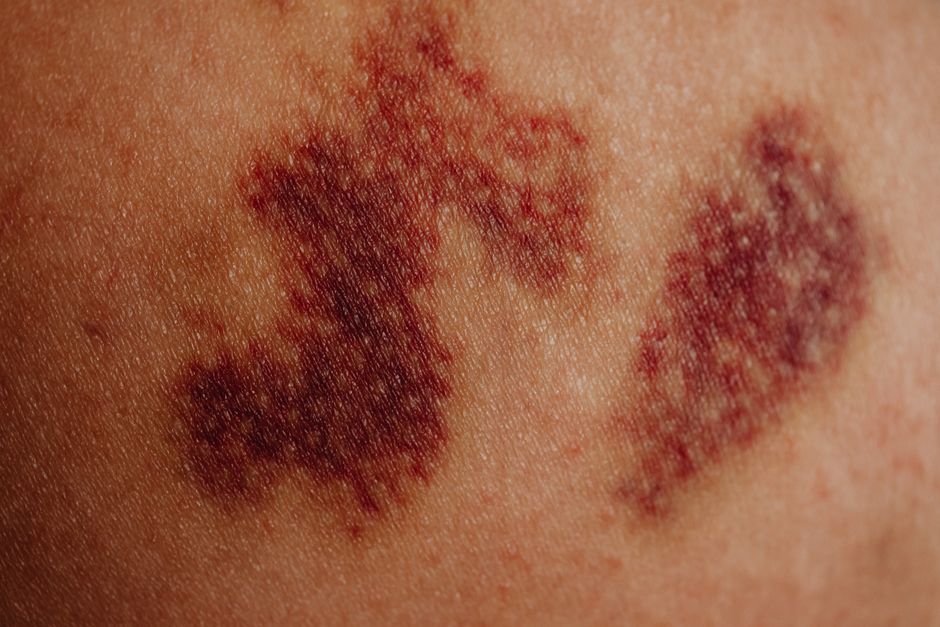
Bruising easily on your legs is common, but it is not something you have to simply accept. Most bruises happen because small blood vessels under the skin break and leak blood into surrounding tissue. If you bruise easily, you can reduce how often it happens by protecting your legs, improving your diet, and checking for underlying health issues. The right fix depends entirely on the cause, so start by understanding why your skin is showing those black-and-blue marks.
Why Do Bruises Form In The First Place?
A bruise is blood that has escaped from tiny blood vessels called capillaries. When something bumps your leg, those fragile vessels can break. The blood pools under the skin, which is why a fresh bruise looks red or purple. Over time, your body breaks down that blood and reabsorbs it, which is why bruises change color to green and yellow before fading.
Some people bruise more easily because their capillaries are closer to the surface. Others have thinner skin, which offers less padding. Age plays a role too — as you get older, your skin gets thinner and your blood vessels become more fragile. This is a normal part of aging, not necessarily a sign of a health problem.
What Causes Easy Bruising On Legs?
Several factors can make your legs bruise more easily. Some are harmless. Others need medical attention.
Medications are a common cause. Blood thinners like warfarin, apixaban, and rivaroxaban are designed to reduce clotting, which makes bleeding under the skin more likely. Even over-the-counter drugs can be responsible. Aspirin and ibuprofen interfere with platelet function, and some people take them daily without realizing the effect on bruising. Corticosteroid creams or pills can also thin the skin over time.
Nutritional deficiencies matter more than most people think. Vitamin C is required for collagen production, which keeps blood vessel walls strong. Vitamin K helps your blood clot properly. Iron is needed for healthy blood cells. If you are low in any of these, your body may not repair vessel damage as quickly, leading to more visible bruises.
Genetics play a role too. Some people simply inherit thinner skin or more fragile capillaries. If your parents bruised easily, you may too. This is not a disease — it is just how your body is built.
How To Stop Bruising Easily On Legs: Causes And Fixes
Stopping easy bruising starts with identifying the cause. If you are not taking a medication that thins your blood and you have no known deficiency, the most effective approach is prevention and skin protection.
Wear protective clothing when you are active. Long pants or knee-high socks can absorb impact that would otherwise break capillaries. Be careful around furniture — coffee tables and bed frames are common culprits for leg bruises. If you play sports or work in an environment where your legs get bumped, consider padded shin guards or simply being more mindful of your surroundings.
If a deficiency is suspected, correcting it can help. A blood test can tell you if you are low in vitamin C, vitamin K, or iron. Eating more citrus fruits, leafy greens, and lean meats is a reasonable step. But do not start high-dose supplements without knowing you need them. Too much of certain vitamins, especially fat-soluble ones like vitamin K, can have unintended effects.





Are There Medical Conditions That Cause Easy Bruising?
Yes, and this is where you need to pay attention. Easy bruising can be a symptom of underlying conditions that affect your blood’s ability to clot.
Platelet disorders are one example. Platelets are the cells that clump together to stop bleeding. If your platelet count is low — a condition called thrombocytopenia — you may bruise easily and also notice small red dots on your skin called petechiae. These dots are different from bruises and should be evaluated by a doctor.
Clotting factor deficiencies are another possibility. Hemophilia is the most well-known, but it is rare and usually diagnosed in childhood. More common in adults is liver disease, because the liver produces many of the proteins needed for blood clotting. If your liver is not working well, bruising can increase. Other signs of liver problems include yellowing of the skin or eyes, swelling in the abdomen, and dark urine.
Certain autoimmune conditions can also cause easy bruising. Vasculitis, which is inflammation of blood vessels, can make vessels leak more easily. If your bruising comes with joint pain, fever, or fatigue, mention it to your doctor.
Do not try to diagnose yourself from this list. These conditions are relatively rare compared to simple aging or medication side effects. But if your bruising is new, severe, or accompanied by other symptoms, a medical evaluation is warranted.
When Should You See A Doctor About Bruising?
Not every bruise requires a doctor visit. But some signs should prompt you to seek medical advice.
See a doctor if you develop bruises without any known injury. This is called spontaneous bruising and can signal an internal problem. Also seek evaluation if bruises are larger than expected — for example, a bruise bigger than your palm from a minor bump. Bruises that do not fade after two weeks, or that seem to get worse instead of better, should be checked. If you notice bleeding from your gums, frequent nosebleeds, or blood in your stool or urine alongside easy bruising, that combination warrants prompt medical attention.
If you are taking a blood thinner and suddenly notice more bruising, do not stop the medication on your own. Talk to your prescribing doctor. Changes to blood-thinning medication must be managed carefully to avoid serious complications like stroke or blood clots.
Can Supplements Help Reduce Bruising?
The supplement market is full of products claiming to reduce bruising. Most of these claims are not supported by strong clinical evidence. Arnica, a homeopathic remedy, is popular for bruising, but studies on its effectiveness are mixed and generally low quality. Bromelain, an enzyme from pineapple, is sometimes recommended, but no large human trials have confirmed it reduces bruising.
Vitamin C and vitamin K supplements have more biological logic behind them. Vitamin C supports collagen, which strengthens vessel walls. Vitamin K is directly involved in the clotting process. But if you already get enough of these vitamins from your diet, extra supplements will not help. Your body excretes excess water-soluble vitamins like vitamin C, so there is no storage benefit. Vitamin K is fat-soluble, meaning it can build up in your body, and high doses can interfere with blood thinners.
Some research suggests that certain plant extracts may help with bruising. Horse chestnut seed extract has been studied for vein health, and some studies indicate it may reduce leg swelling and discomfort. But evidence specifically for bruise prevention is limited. If you are considering any supplement for bruising, discuss it with your doctor first, especially if you take other medications.
What Can You Do For A Bruise That Has Already Formed?
Once a bruise appears, you cannot make it disappear instantly. But you can help it heal faster.
Cold therapy works best in the first 24 to 48 hours. Applying an ice pack wrapped in a cloth for 15 to 20 minutes at a time can reduce blood flow to the area, which limits how much blood pools under the skin. Do not apply ice directly to the skin — this can cause frostbite.
After the first two days, heat can help. A warm compress increases blood flow, which helps your body reabsorb the pooled blood more quickly. Gentle massage around the bruise — not directly on it — may also help stimulate lymphatic drainage.
Elevating your leg above heart level can reduce blood flow to the bruised area and minimize swelling. This is especially useful if you have a bruise on your lower leg or ankle. Over-the-counter pain relievers can help with discomfort, but avoid aspirin or ibuprofen if the bruise is related to bleeding issues, as these can make bleeding worse. Acetaminophen is generally a safer choice for pain with bruising, but confirm with a pharmacist if you have other health conditions.
Does Diet Play A Role In Preventing Bruises?
Diet can influence bruising, but it is not a cure-all. A balanced diet that includes adequate vitamins and minerals supports healthy blood vessels and normal clotting. If you already eat well, changing your diet further will not prevent all bruises.
Foods rich in vitamin C include citrus fruits, strawberries, bell peppers, and broccoli. Vitamin K is found in leafy greens like spinach, kale, and collard greens. Iron is abundant in red meat, beans, and fortified cereals. If you suspect a deficiency, ask your doctor for a blood test rather than guessing. Treating a deficiency you do not have is unnecessary and can occasionally cause harm.
Some research suggests that flavonoids — compounds found in berries, onions, and dark chocolate — may strengthen blood vessel walls. The evidence is preliminary, but including these foods in your diet is generally healthy for other reasons as well. Just do not expect them to be a miracle fix for bruising.
Frequently Asked Questions
Why do I bruise so easily on my legs?
Legs bruise easily because they are frequently bumped and the skin there is often thinner with less padding. Medications, aging, and nutritional deficiencies can also increase bruising.
What vitamin deficiency causes easy bruising?
Vitamin C, vitamin K, and iron deficiencies can all contribute to easy bruising. A blood test is needed to confirm which deficiency, if any, you have.
How long should a bruise on my leg last?
Most bruises fade within two weeks. If a bruise lasts longer than two weeks or gets worse instead of better, see a doctor.
Can aspirin cause bruising on legs?
Yes, aspirin interferes with platelet function and can make you bruise more easily. If you take aspirin daily, talk to your doctor before stopping or changing your dose.
