
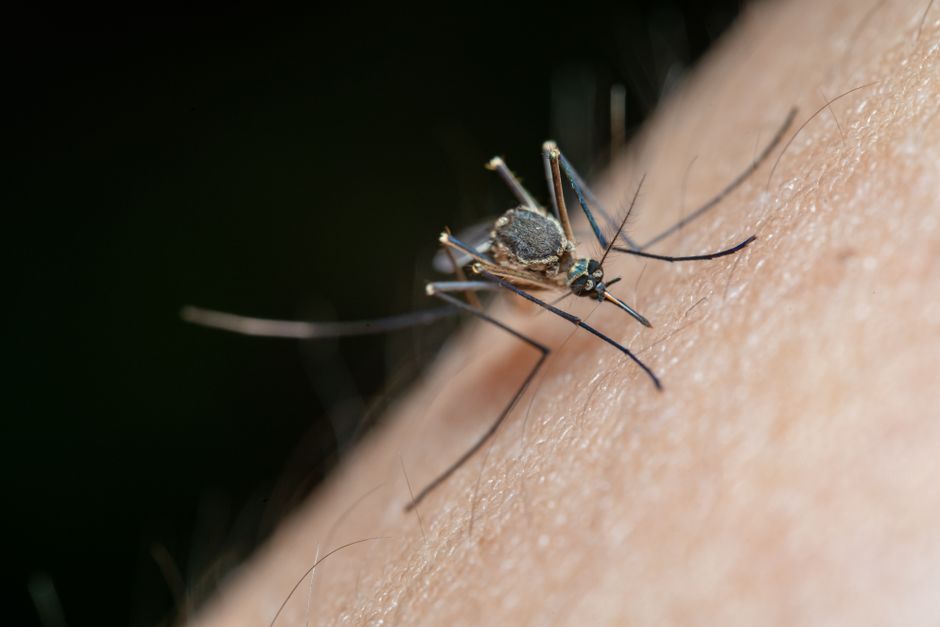
When a mosquito, flea, or other insect bites you, it injects saliva into your skin. Your immune system reacts to that saliva by releasing histamine, which causes the telltale red, swollen, and intensely itchy bump. To stop the itch, wash the area with soap and water, apply a cold compress for 10 to 15 minutes, and then apply a low-potency hydrocortisone cream or an oral antihistamine if the itch is widespread. Avoid scratching entirely, as scratching breaks the skin and can lead to infection. For most bites, the itching subsides within a few days with this approach.
Why Do Bug Bites Itch in the First Place?
The itch is not caused by the bite itself. It is caused by your body’s immune response. When an insect bites, it injects saliva that contains proteins to keep your blood from clotting. Your immune system identifies these proteins as foreign invaders.
In response, your body releases histamine at the bite site. Histamine widens blood vessels in the area, which causes redness and swelling. It also irritates nearby nerves, which creates the itching sensation. The stronger your immune reaction, the more histamine is released, and the more it itches.
This is why some people react severely to bites while others barely notice them. It is also why a bite can itch more on the second or third day. Your immune system has had time to build a stronger response.
Step-by-Step: How To Make A Bug Bite Stop Itching
Follow these steps in order for the fastest relief. Each step targets a different part of the itch cycle.
Step 1: Wash the bite. Use mild soap and lukewarm water. This removes any remaining insect saliva on the skin surface and reduces the risk of bacteria entering the bite.
Step 2: Apply a cold compress. Wrap an ice pack or a bag of frozen vegetables in a clean cloth. Hold it on the bite for 10 to 15 minutes. Cold numbs the nerves in the area and constricts blood vessels, which reduces swelling and slows the histamine response. Repeat as needed throughout the day.
Step 3: Apply a topical treatment. A low-potency hydrocortisone cream (0.5% to 1%) reduces inflammation directly at the site. Calamine lotion also works by cooling the skin and drying any weeping. Apply a thin layer and rub it in gently.
Step 4: Take an oral antihistamine if needed. If you have multiple bites or the itching is keeping you awake, an oral antihistamine such as diphenhydramine or cetirizine can help. These work from the inside by blocking histamine receptors throughout your body. Follow the dosing instructions on the package.
Step 5: Do not scratch. Scratching temporarily feels good because it overrides the itch signal with a pain signal. But it damages the skin and triggers more histamine release, which makes the itch worse. It also opens the door for bacterial infection.
Step 6: Cover the bite if you cannot stop scratching. A bandage or adhesive dressing creates a physical barrier. It also keeps topical treatments on the skin longer.
What Works Best: Cold, Heat, or Topical Creams?
Cold is the fastest and safest first-line treatment. It works immediately and has no side effects. Heat is sometimes suggested, but the evidence is less clear. Some studies suggest that a heated tool applied briefly to a bite can confuse the itch signal, but this is not widely recommended because of burn risk.
Hydrocortisone cream is the most effective topical option for reducing inflammation. It works best when applied early, before the bite reaches peak swelling. Calamine lotion is a good alternative if you prefer something without medication, but it mainly cools the skin rather than suppressing the immune response.
Oral antihistamines are the most effective option for widespread itching or bites that interfere with sleep. They work systemically, meaning they reach every bite at once. The trade-off is that some oral antihistamines cause drowsiness.
Here is a quick comparison of common treatments:
| Treatment | How It Works | Best For |
|---|---|---|
| Cold compress | Numbs nerves, reduces swelling | Immediate relief on any bite |
| Hydrocortisone cream | Suppresses local inflammation | Single bites, mild to moderate itch |
| Calamine lotion | Cools skin, dries weeping | Bites that have blistered or weep |
| Oral antihistamine | Blocks histamine throughout the body | Multiple bites, nighttime itching |
| Baking soda paste | Unclear mechanism, mild soothing | Home remedy when nothing else is available |





Home Remedies: Which Ones Actually Work?
Baking soda paste is the most commonly recommended home remedy. Mix a small amount of baking soda with water to form a paste and apply it to the bite. Some people report relief, but clinical evidence is limited. It likely works by mildly soothing the skin rather than blocking histamine.
Honey has antibacterial properties, so it may help prevent infection if the bite is already scratched open. It does not directly stop itching. Aloe vera gel cools the skin and may reduce mild inflammation, but it has not been studied specifically for bug bites.
Toothpaste is frequently mentioned online. There is no evidence that toothpaste stops itching. In fact, some toothpaste contains ingredients that can irritate the skin further. Skip it.
Essential oils such as tea tree oil and lavender are promoted for bug bites. Some research suggests tea tree oil has anti-inflammatory properties, but it can also cause contact dermatitis in some people. If you try it, dilute it with a carrier oil first. No large trials have confirmed that any essential oil reliably stops bug bite itching.
When Should You See a Doctor?
Most bug bites are harmless and resolve on their own. But some require medical attention. Watch for signs of infection: increasing redness that spreads, warmth around the bite, pus, or red streaks moving up the limb. Fever, chills, or swollen lymph nodes also warrant a call to your doctor.
Some people have a severe allergic reaction called anaphylaxis. This is a medical emergency. Symptoms include difficulty breathing, swelling of the face or throat, dizziness, and rapid heartbeat. Call emergency services immediately if these occur.
Tick bites require special attention. If you find a tick attached to your skin, remove it with fine-tipped tweezers by grasping it close to the skin and pulling straight out with steady pressure. Do not twist or jerk. If you develop a rash or flu-like symptoms within a few weeks, see a doctor. Some tick-borne illnesses respond best to early treatment.
Bites that do not improve after two weeks, or that seem to be getting worse despite treatment, should be evaluated by a healthcare professional.
How to Prevent Bug Bites in the First Place
Prevention is more effective than any treatment. The most reliable approach is an EPA-registered insect repellent containing DEET, picaridin, or oil of lemon eucalyptus. These have been shown to reduce bites from mosquitoes, ticks, and other biting insects. Follow the application instructions on the label.
Wear long sleeves and pants when spending time in wooded or grassy areas. Tuck pants into socks to keep ticks from crawling up. Treat clothing with permethrin if you will be in high-risk areas, but do not apply permethrin directly to skin.
Around your home, eliminate standing water where mosquitoes breed. Empty flower pots, bird baths, and gutters regularly. Use screens on windows and doors.
For children, use repellents with lower concentrations of active ingredients and apply them only to exposed skin, not to hands or faces. Do not use oil of lemon eucalyptus on children under three years old.
Frequently Asked Questions
How long does a bug bite take to stop itching?
Most bites stop itching within 3 to 4 days. With prompt treatment using cold compresses and hydrocortisone cream, the itch often subsides sooner.
Does scratching make a bug bite worse?
Yes. Scratching damages the skin and triggers more histamine release, which intensifies the itch. It also increases the risk of bacterial infection.
Is it safe to put nail polish on a bug bite?
No. Nail polish has no anti-itch properties and can irritate the skin. Use hydrocortisone cream or calamine lotion instead.
Can I use ice directly on a bug bite?
No. Apply ice only through a cloth or towel. Direct ice contact can damage the skin and cause frostbite.
