

You just had a tooth pulled and the bleeding won’t stop. You are holding a gauze pad, wondering if this is normal. It is normal. Bleeding after extraction happens to nearly everyone. The question is how to get it under control without making things worse.
The first and most effective step is to bite down firmly on a clean, damp gauze pad placed directly over the socket. Keep steady pressure for 30 to 45 minutes without checking. Do not peek. Do not spit. Do not rinse. If bleeding continues after that, replace the gauze with a fresh damp one and repeat. This simple pressure method works for most people because it allows a stable blood clot to form, which is the body’s natural bandage.
How Long Should Bleeding Last After a Tooth Extraction?
Some oozing for the first 24 hours is normal. But the heavy bleeding should slow down significantly within the first hour after you leave the dentist’s chair. By the two-hour mark, most people have only a pink tint to their saliva, not active red bleeding.
If you are still soaking through gauze after two hours of steady pressure, that is not normal. Call your dentist. The American Dental Association advises that persistent heavy bleeding beyond this point may require professional attention. Do not wait overnight if you are worried. It is better to check in with your dentist than to spend the night anxious and bleeding.
Does Biting on a Tea Bag Help Stop Bleeding?
This is one of those home remedies that sounds like a grandma story but actually has some science behind it. Black tea contains tannic acid. Tannic acid helps blood clot faster by constricting small blood vessels. Research published in the Journal of Oral and Maxillofacial Surgery found that tea bags can reduce bleeding time compared to plain gauze in some cases.
Here is how to do it right. Use a regular black tea bag. Wet it with cool water. Squeeze out the excess so it is damp, not dripping. Place it directly over the socket and bite down gently for 20 to 30 minutes. Do not use herbal teas. They do not have enough tannins to make a difference. And do not use this as a replacement for gauze in the first hour. Try tea only if gauze alone is not enough.
What Should You Avoid Doing After an Extraction?
Most bleeding problems happen because people do things that disturb the clot. The clot is your friend. It protects the bone underneath and prevents a painful condition called dry socket. Once the clot is gone, healing resets and the pain increases sharply.
- Do not spit. Spitting creates suction that can pull the clot out. Let saliva drip out of your mouth if you need to.
- Do not use a straw. Sucking on a straw does the same thing. Avoid straws for at least one week.
- Do not rinse your mouth for the first 24 hours. After that, rinse gently with salt water. Do not swish vigorously.
- Do not smoke. Smoking reduces blood flow to the gums and dramatically increases the risk of dry socket. The CDC reports that smokers are three to four times more likely to develop dry socket than nonsmokers.
- Do not drink alcohol. Alcohol thins the blood and can prevent proper clotting. Avoid it for at least 48 hours.
One more thing that surprises people. Do not lie flat. Keep your head elevated on pillows for the first night. Gravity helps reduce blood flow to the area. Lying flat increases pressure in your head and can restart bleeding.




When Should You Use Gauze Again After the First Round?
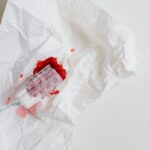
After you remove the first gauze pad, you might notice a little bleeding starts up again. This is common. The clot is still forming and can be fragile. If the bleeding is light and oozing, you do not need more gauze. Let it be. Constant removal and replacement of gauze can actually prevent the clot from stabilizing.
If the bleeding picks up again and becomes steady, place a fresh damp gauze pad and bite down for another 30 minutes. Some dentists recommend using moistened gauze rather than dry gauze. Dry gauze can stick to the clot and pull it off when you remove it. A damp pad comes off cleanly and does less damage.
You can also use a folded piece of sterile gauze if you run out of the ones the dentist gave you. Just make sure it is clean and damp. Do not use cotton balls or tissues. They leave fibers behind that can cause infection.
What Are the Signs That Bleeding Is Becoming a Problem?
Most bleeding stops on its own. But there are clear signs that something is wrong. If you see bright red blood pooling in your mouth despite firm pressure, that is active bleeding. If you feel blood trickling down your throat, that is also a concern. Swallowing a little blood is fine. Swallowing a lot can make you nauseous and vomit, which can restart bleeding.
| Symptom | Normal | Call Your Dentist |
|---|---|---|
| Color of blood | Dark red oozing | Bright red streaming |
| Amount | Pink saliva | Pooling in mouth |
| Duration | Stops within 2 hours | Continues past 3 hours |
| Pain | Mild throbbing | Sharp worsening pain |
| Clot | Stays in place | Clot falls out |
If you have a bleeding disorder or take blood thinners like warfarin, aspirin, or clopidogrel, you are at higher risk for prolonged bleeding. Tell your dentist before any extraction. They may have special instructions or prescribe medication to help control bleeding. Do not stop taking blood thinners without talking to your doctor first. The risk of a blood clot elsewhere in your body is more dangerous than the risk of bleeding from an extraction.
What Is Dry Socket and How Do You Avoid It?
Dry socket happens when the blood clot in the socket gets dislodged or dissolves too early. The bone underneath is exposed to air, food, and liquids. It hurts. A lot. The pain usually starts two to three days after the extraction and can radiate to your ear or eye. It is one of the most common complications after tooth removal.
Research from the Journal of the American Dental Association shows that dry socket occurs in about 2 to 5 percent of routine extractions. But that number jumps to 30 percent for impacted wisdom teeth. Women on birth control pills are also at higher risk because estrogen can interfere with clot formation.
To avoid dry socket, follow the same rules as stopping bleeding. Do not disturb the clot. Do not suck on anything. Do not smoke. Do not drink through a straw. If you do get dry socket, your dentist can place a medicated dressing in the socket that soothes the pain and helps healing. It is treatable. But it is better to prevent it in the first place.
One thing many people do not realize is that vigorous rinsing can also cause dry socket. Even gentle swishing on day two can loosen a clot that is not fully attached. Wait until day three or four before you start any kind of mouth rinsing beyond letting salt water fall in and out of your mouth.
Does Ice Help With Bleeding or Just Swelling?
Ice helps with swelling. It does not directly stop bleeding. But reducing swelling can indirectly help because less inflammation means less blood flow to the area. The American Association of Oral and Maxillofacial Surgeons recommends applying an ice pack to the outside of your cheek for 15 minutes on and 15 minutes off during the first 24 hours.
Do not put ice directly on the extraction site. That can damage the tissue and slow healing. Use a clean cloth between the ice pack and your skin. And remember that ice is for the swelling, not the bleeding. If you are still bleeding after two hours, focus on pressure and gauze, not cold packs.
Frequently Asked Questions
Can I sleep with gauze in my mouth after an extraction?
No. Remove the gauze before sleeping. Sleeping with gauze can cause choking if it shifts. If bleeding starts again, place fresh gauze and stay awake until it stops.
Is it normal to taste blood the day after an extraction?
Yes. A metallic or salty taste is normal for up to 24 hours. It usually means a small amount of blood is mixing with your saliva. If the taste is strong and constant, check for active bleeding.
Can I drink water after a tooth extraction?
Yes. Sip water carefully. Do not use a straw. Do not swish the water around your mouth. Let it slide down your throat gently to avoid disturbing the clot.
What should I do if the bleeding starts again in the middle of the night?
Sit up. Place a fresh damp gauze pad over the socket. Bite down firmly for 30 minutes. Keep your head elevated. If it does not stop, call your dentist’s emergency number.
