
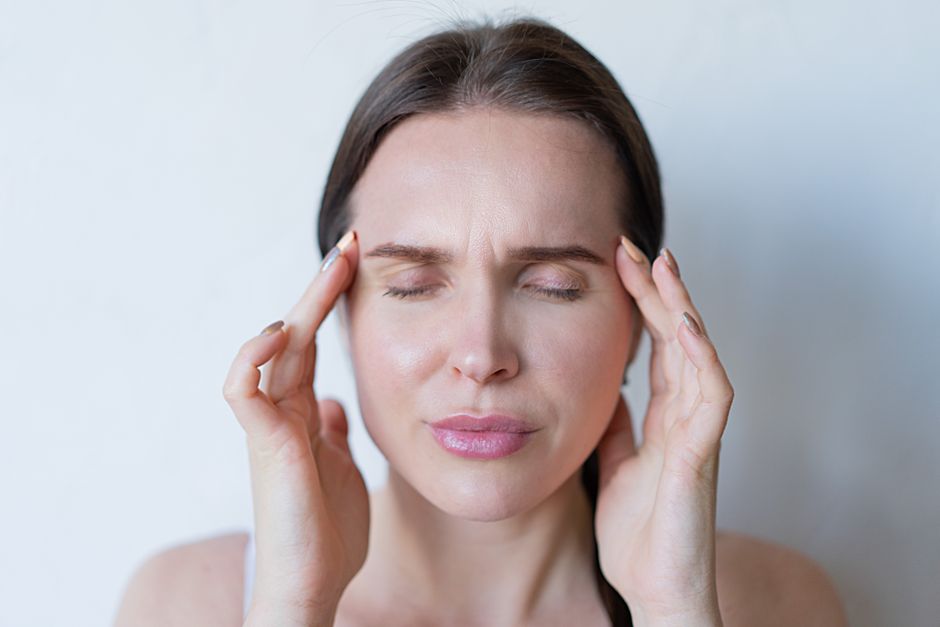
Alcohol headaches are not a sign of weakness or a mystery. They are a predictable biological response to a substance your body has to process, and understanding that process is the first real step toward stopping them. The most reliable way to prevent an alcohol headache is to drink less, drink slowly, and drink water alongside alcohol. Once a headache starts, water, rest, a light meal, and an over-the-counter pain reliever like ibuprofen or acetaminophen can help — but timing matters, and some pain relievers carry real risks when alcohol is still in your system.
Why Does Alcohol Give You a Headache?
Alcohol creates headaches through several overlapping mechanisms, and most people are dealing with more than one at the same time.
The first is dehydration. Alcohol suppresses vasopressin, a hormone that tells your kidneys to hold onto water. When vasopressin drops, you urinate more, and you lose fluid along with electrolytes like sodium and potassium. A shrinking fluid volume affects blood pressure, brain tissue, and blood vessel tone — all of which can register as pain.
The second is vasodilation. Alcohol causes blood vessels to widen. In people prone to headaches, that widening itself can trigger pain, which is part of why hangover headaches often feel throbbing and worsen with movement or bending over.
The third involves compounds called congeners. These are byproducts of fermentation found in higher amounts in darker drinks — red wine, whiskey, bourbon, and dark beer. Congeners appear to make headaches more likely, though the exact reason is not fully settled. This is one of the more consistent findings in hangover research: darker, more complex drinks tend to produce worse symptoms than clear spirits like vodka or gin.
The fourth is a direct effect on sleep and inflammation. Alcohol disrupts sleep architecture, and poor sleep lowers your pain threshold. Alcohol also triggers mild inflammatory signaling, which some researchers believe contributes to the general malaise of a hangover.
How To Stop Alcohol Headaches Before They Start
Prevention works far better than treatment. By the time a headache settles in, you are mostly managing symptoms rather than stopping the cause.
Eat before and while you drink. Food slows the rate at which alcohol enters your bloodstream. A slower rise in blood alcohol means less of a spike and often a milder aftermath. Meals with fat, protein, and complex carbohydrates tend to slow absorption more than a light snack.
Alternate alcohol with water. This is the single most practical habit. It reduces total alcohol consumed, replaces some of the fluid you are losing, and gives your body more time to process what you have already had.
Choose clear drinks when you can. If you notice that red wine or bourbon reliably triggers headaches but vodka does not, congeners may be your issue. This varies by person, so it is worth tracking rather than assuming.
Watch your sugar and caffeine. Sugary mixers and energy drinks can add their own contribution to a headache, and caffeine withdrawal the next morning can compound the problem if you normally drink coffee and skip it.
- Eat a real meal before drinking
- Drink water between every alcoholic drink
- Set a drink limit before you start and stick to it
- Avoid drinking on an empty stomach or when already dehydrated
- Skip the darkest, most congener-heavy drinks if they seem to trigger you
What Actually Helps Once a Headache Starts?
Once the headache is underway, the goal shifts to rehydration, rest, and pain control. None of these are cures, but they can reduce how bad it gets and how long it lasts.
Water and electrolytes come first. Plain water helps, but if you have been urinating heavily, replacing sodium and potassium matters too. A simple approach is water plus a light snack with some salt — crackers, broth, or a banana. Sports drinks can work but often carry a lot of sugar.
Rest in a dark, quiet room. Alcohol headaches often come with light sensitivity and nausea. Reducing stimulation genuinely helps.
Over-the-counter pain relievers can help, with important cautions. Ibuprofen and other NSAIDs reduce inflammation and can ease a hangover headache. Acetaminophen also works for pain, but here is the part people miss: acetaminophen is processed by the liver, and so is alcohol. Taking acetaminophen while you still have significant alcohol in your system raises the risk of liver injury. The combination is not a minor concern. If you have been drinking heavily, avoid acetaminophen until the alcohol has cleared, and never exceed the label dose.
Aspirin is another option for some people, but it can irritate the stomach, which is already unsettled after drinking. Anyone with a history of stomach ulcers, bleeding disorders, or who takes blood thinners should not reach for aspirin casually.
What about coffee? Caffeine can temporarily narrow blood vessels and may take the edge off a headache, but it also adds to dehydration and can worsen an already racing heart. It is a mixed bag, not a remedy.





Is There a Difference Between a Hangover Headache and a Migraine?
Yes, and the distinction matters for how you respond.
A hangover headache typically follows a clear cause — you drank, and the next morning your head hurts. It tends to be throbbing, worse with movement, and improves as you rehydrate and rest over hours.
A migraine is a neurological condition with its own pattern. It often comes with nausea, light and sound sensitivity, and sometimes visual changes called aura. Alcohol can trigger migraines in people who already get them. If your headaches are severe, recurring, and not clearly tied to drinking, that pattern deserves a medical evaluation rather than a self-treatment plan.
There is also a less common but serious concern. A sudden, severe headache — often described as the worst of your life, peaking within seconds — is a medical emergency and not a hangover. So is a headache with fever and stiff neck, confusion, weakness on one side, or trouble speaking. These need immediate medical attention.
Does Drinking Less Really Fix It?
For most people, yes. Alcohol headaches scale with how much you drink and how fast. Reducing the amount, pacing yourself, and drinking with food and water addresses the root cause rather than the symptom.
Some people find that even small amounts trigger headaches. If that is your pattern, the honest answer is that the most reliable prevention is to drink less or not at all. That is not a moral statement — it is a practical one. If a substance reliably causes you pain, reducing it works better than any workaround.
It is also worth paying attention to frequency. If you are getting alcohol headaches often, that itself is useful information about your drinking patterns. Persistent headaches after drinking, or a need to drink to feel normal, are worth discussing with a doctor.
What About Supplements and “Hangover Cures”?
The market for hangover products is large, and the evidence behind most of them is thin.
Some small studies have looked at certain B vitamins, zinc, and plant extracts, but results are inconsistent and often come from small trials. No supplement has strong, replicated evidence showing it prevents or treats alcohol headaches. Products that claim to let you drink more without consequences are marketing, not medicine.
The interventions with the clearest support are unglamorous: drink less, drink water, eat food, and rest. Everything else is secondary at best.
Frequently Asked Questions
How do you get rid of an alcohol headache fast?
Drink water, eat a light snack with some salt, and rest in a dark room. An NSAID like ibuprofen can help, but avoid acetaminophen while alcohol is still in your system because of liver risk.
Why do I get a headache after only one or two drinks?
Some people are simply more sensitive to alcohol’s effects on blood vessels and fluid balance. Congeners in darker drinks may also play a role, so tracking which drinks trigger you can help.
Does drinking water prevent alcohol headaches?
It reduces the risk but does not eliminate it, because dehydration is only one of several causes. Water helps most when paired with eating food and limiting how much you drink.
When should I worry about a headache after drinking?
A sudden severe headache, or one with fever, stiff neck, confusion, or weakness, needs emergency care. Frequent alcohol headaches are also worth discussing with a doctor.
