
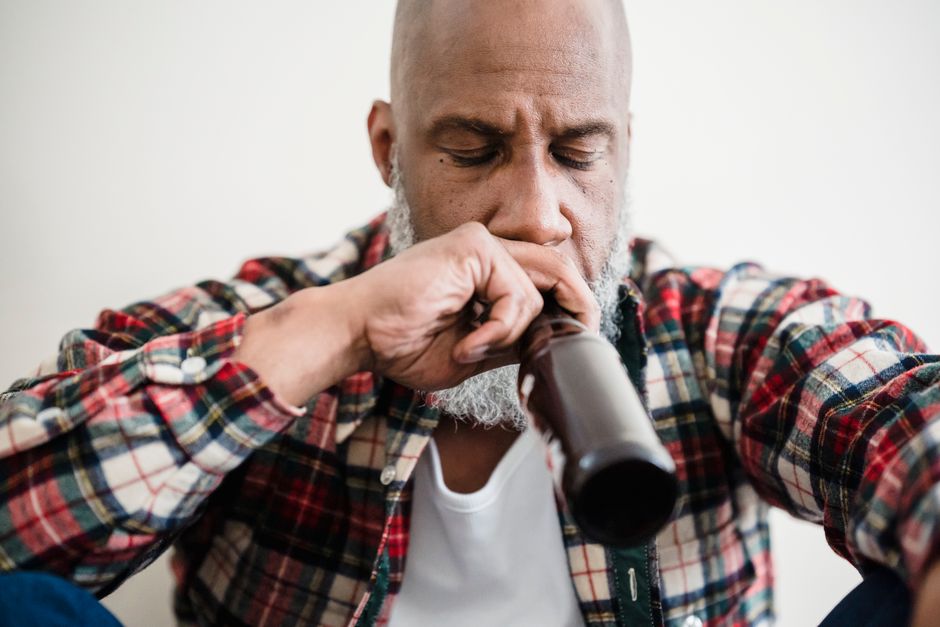
If someone you care about is going through alcohol withdrawal, the most important thing you can do is get them medical help immediately. Alcohol withdrawal can be life-threatening, especially for heavy drinkers. Do not try to manage this alone. Call a doctor or take them to an emergency room. Once a medical professional assesses their risk, you can help by keeping them calm, hydrated, and safe while monitoring for worsening symptoms. Your role is support, not treatment.
What Is Alcohol Withdrawal and Why Is It Dangerous?
Alcohol acts as a central nervous system depressant. When a person drinks heavily over a long period, their brain adapts by becoming more excitable to maintain balance. When they suddenly stop or cut back drastically, the brain remains in this overexcited state. This rebound can cause a range of withdrawal symptoms—from mild anxiety to life-threatening seizures and delirium tremens (DTs).
The danger comes from the brain losing its usual chemical brake. Without medical oversight, severe withdrawal can progress rapidly. Delirium tremens, which includes confusion, hallucinations, and dangerously high heart rate and blood pressure, has a significant death rate if untreated. That is why professional medical management is essential before any home support begins.
What Are the Signs and Symptoms of Alcohol Withdrawal?
Symptoms usually start within 6–12 hours after the last drink. They can be mild or severe, and the severity depends on the person’s drinking history, overall health, and genetics. Knowing what to watch for helps you act quickly.
Mild to moderate symptoms include:
- Anxiety, restlessness, or irritability
- Trembling hands or shakes
- Sweating, especially at night
- Nausea or vomiting
- Headache
- Rapid heart rate or palpitations
- Trouble sleeping or vivid nightmares
Severe symptoms that require emergency care include:
- Confusion or disorientation (not knowing where they are or the date)
- Hallucinations (seeing or hearing things that aren’t there)
- Seizures
- Fever
- Heavy sweating combined with fast heart rate
- Agitation that doesn’t calm down
If you see any severe signs, call 911. Do not wait.
How To Help Someone Through Alcohol Withdrawal Safely
Once medical professionals have determined that home withdrawal is safe—typically only for mild cases with no history of seizures or DTs—you can provide supportive care. Here is what you can do:
Make sure they stay hydrated. Withdrawal often causes sweating, vomiting, and loss of fluids. Offer water or electrolyte drinks in small sips if they cannot keep down large amounts. Avoid caffeinated drinks, which can worsen anxiety.
Provide thiamine (vitamin B1). Heavy alcohol use depletes thiamine, and deficiency can lead to brain damage. Doctors often prescribe oral thiamine or give it intravenously. If your doctor has recommended it, follow their dosing exactly. Do not guess.
Keep the environment calm and safe. Reduce noise, bright lights, and stressful conversations. Stay with them if they are at risk of confusion or falling. Remove sharp objects and anything they could trip over.
Monitor vital signs if you can. Check their temperature, pulse, and blood pressure if you have the equipment and know how. A consistently high heart rate (over 100 bpm at rest) or fever over 100.4°F (38°C) is a red flag and requires medical attention.
Do not let them drink alcohol. Giving them a drink to “taper” at home is dangerous and not a medically approved method. Only a doctor should manage a taper protocol, usually with benzodiazepines, not alcohol.
Watch for worsening symptoms. The first 24–72 hours are the most dangerous. If they become confused, see things that aren’t there, have a seizure, or cannot be roused, call 911 immediately. Do not try to drive them to the hospital during a seizure or severe confusion.
Encourage them to follow up with a doctor. Withdrawal is only the first step. Long-term treatment for alcohol use disorder—counseling, support groups, medications like naltrexone—can improve outcomes. Offer to help them make appointments.





When Should You Call 911 or Go to the Hospital?
Call for emergency help if the person experiences any of the following:
- Seizures
- Severe confusion or disorientation
- Hallucinations (seeing or hearing things that aren’t there)
- Difficulty breathing
- Chest pain or pressure
- Fast or irregular heartbeat that does not settle
- Fever above 100.4°F (38°C)
- Vomiting that prevents them from keeping fluids down for more than a few hours
- Uncontrollable shaking or agitation
- Loss of consciousness or difficulty waking up
If you are unsure, err on the side of caution. A false alarm is far better than a missed emergency.
Can Alcohol Withdrawal Be Treated at Home?
In some cases, mild withdrawal can be managed at home under a doctor’s supervision. The key word is “under a doctor’s supervision.” A clinician should first evaluate the person to determine their risk for severe complications. They may prescribe medications like benzodiazepines to prevent seizures and manage symptoms.
Home detox is not appropriate for everyone. People with a history of severe withdrawal symptoms, seizures, delirium tremens, or heavy long-term drinking usually need inpatient medical detox. Also, people with other medical conditions like heart disease, diabetes, or liver disease are at higher risk and should not attempt withdrawal at home without medical oversight.
Even in mild cases, symptoms can escalate quickly. Having a plan—including who to call, where the nearest ER is, and what to do if symptoms worsen—is crucial. Do not attempt home detox based on advice from internet sources alone. Your doctor can tell you whether it is safe.
What Medications Are Used for Alcohol Withdrawal?
The most common medications for managing withdrawal are benzodiazepines—diazepam (Valium), chlordiazepoxide (Librium), lorazepam (Ativan), and others. They work by calming the overexcited nervous system, preventing seizures and reducing the severity of symptoms.
Thiamine (vitamin B1) is given to prevent Wernicke encephalopathy, a serious brain condition caused by thiamine deficiency. Some doctors also prescribe multivitamins and magnesium supplements, though evidence for magnesium is less strong.
Medications like carbamazepine or valproic acid are sometimes used as alternatives, especially in people who cannot take benzodiazepines. These decisions are made by a doctor based on the individual’s health history.
You should never obtain or give these medications without a prescription. Improper dosing can be dangerous, especially with benzodiazepines, which can cause respiratory depression if misused.
How Long Does Alcohol Withdrawal Last?
Withdrawal symptoms typically start 6–12 hours after the last drink. Mild symptoms usually peak at 24–72 hours and improve within a week. However, some people experience prolonged symptoms called “protracted withdrawal,” which can include anxiety, sleep problems, and mood swings for weeks or months. Severe withdrawal with seizures or DTs can last longer and requires hospital care.
Timing varies significantly from person to person. The severity of dependence, how much they drank, their overall health, and whether they receive medical treatment all affect the timeline. Do not assume that because symptoms have not appeared yet, they won’t. Stay vigilant for at least the first five days.
Frequently Asked Questions
How long does alcohol withdrawal last?
Most physical symptoms peak within 24 to 72 hours after the last drink and improve within a week. Some people experience lingering anxiety and sleep problems for weeks longer.
Can you die from alcohol withdrawal?
Yes. Severe alcohol withdrawal can be fatal, especially if it progresses to delirium tremens or causes seizures without medical care. This is why medical supervision is critical.
What should you not do during alcohol withdrawal?
Do not give them alcohol to “ease the symptoms.” Do not leave them alone if they are confused, hallucinating, or having seizures. Do not assume symptoms are mild and will pass—get medical help first.
Can you detox from alcohol at home safely?
Only in very mild cases under a doctor’s supervision, and only after a medical evaluation rules out high risk. Many people need inpatient detox. Never attempt home detox without professional guidance.
