
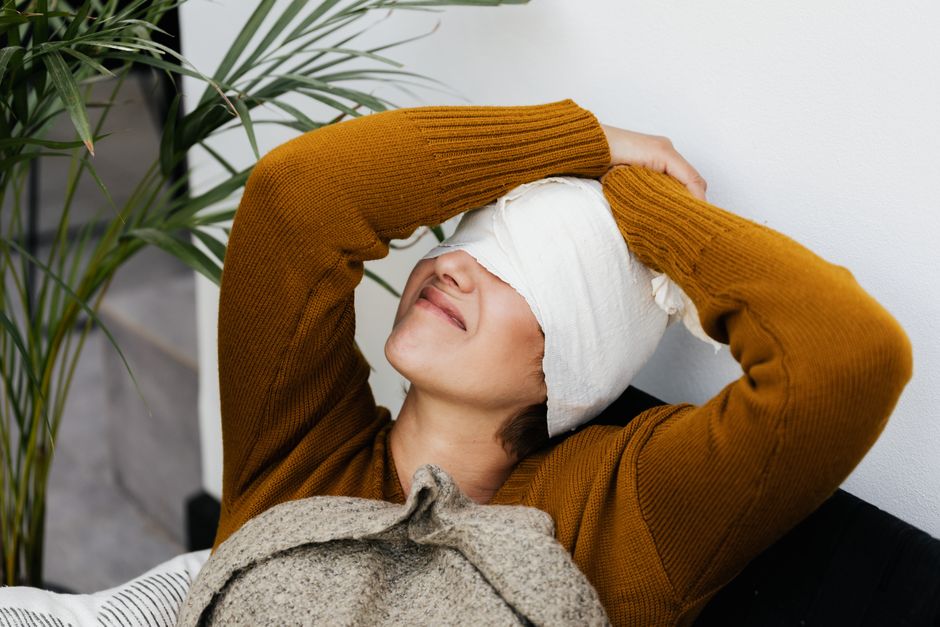
You lie down after a long day, ready to sleep, but instead you feel a pounding, throbbing pain in your head. Nighttime headaches are common and can ruin your rest. The main reasons include tension headaches from daily stress, migraine attacks triggered by sleep changes, cluster headaches that often strike at night, and sleep disorders like sleep apnea. Other causes include caffeine withdrawal, medication overuse, and drops in blood pressure during sleep.
Why Do You Get Throbbing Headaches At Night?
Throbbing headaches at night have several well-established triggers. The most common are tension-type headaches, which cause a dull ache that can feel like a tight band around the head. Many people get them after a stressful day, and the pain may throb as muscles in the scalp and neck contract.
Migraines are another major cause. A migraine is a neurological condition that often produces a throbbing or pulsating pain on one side of the head. Migraines can be triggered by changes in your sleep pattern, such as sleeping too little or too much. Going to bed at a different time than usual can set one off.
Cluster headaches are less common but very painful. They tend to occur at the same time each night, often an hour or two after falling asleep. The pain is sharp, burning, or piercing, but some people describe a throbbing component. Cluster headaches are linked to your body’s internal clock, or circadian rhythm.
Hypnic headaches are a rare primary headache disorder that only happens during sleep. They usually wake a person at the same time each night with a mild to moderate throbbing pain on both sides of the head. They are more common in people over 50.
What Is the Difference Between a Migraine and a Tension Headache?
Knowing which type of headache you have helps you find the right treatment. Migraines typically cause moderate to severe throbbing pain, often on one side of the head. They can last from 4 to 72 hours. Other symptoms may include nausea, vomiting, and sensitivity to light or sound.
Tension headaches cause a dull, pressing pain on both sides of the head. The pain is usually mild to moderate and does not throb as strongly as a migraine. Tension headaches do not typically cause nausea or sensitivity to light. They are the most common type of headache, affecting most adults at some point.
If you wake with a throbbing headache that makes you nauseated or sensitive to light, it is more likely a migraine. If the pain is a steady ache that builds during the evening and lasts through the night, a tension headache is more likely.
How Can Sleep Disorders Trigger Night Headaches?
Sleep apnea is a known cause of morning headaches, but it can also cause nighttime throbbing. In sleep apnea, your airway repeatedly closes during sleep, lowering oxygen levels. This can trigger headaches, especially if the apnea episodes are severe. The headache may be throbbing and can wake you up.
Bruxism, or teeth grinding during sleep, can also cause throbbing headaches at night. The constant clenching tenses the jaw muscles and can spread pain to the temples and forehead. Many people are unaware they grind their teeth until a dentist notices wear or a bed partner hears it.
Insomnia and irregular sleep schedules disrupt the natural sleep cycle. Both oversleeping and undersleeping can trigger migraines. Maintaining a consistent bedtime and wake time can reduce the risk.




Can Blood Pressure Changes Cause Headaches at Night?
Blood pressure normally drops during sleep. This is called nocturnal dipping. In some people, blood pressure does not dip enough, or it spikes during the night. Studies have found that nighttime blood pressure surges can trigger headaches, especially throbbing ones.
If you have high blood pressure, ask your doctor about checking your readings at night. A home monitor with a cuff that can take measurements while you sleep may be recommended. However, not everyone with high blood pressure gets headaches, and most nighttime headaches are not directly caused by blood pressure changes alone.
When Should You See a Doctor for Night Headaches?
Most nighttime headaches are not dangerous, but you should see a doctor if you have any of these warning signs:
- Your headache is the worst you have ever had.
- You have a stiff neck, fever, or confusion.
- The headache starts suddenly and reaches peak pain within seconds.
- You have new headaches after age 50.
- Your headache wakes you from sleep every night.
- You have a history of cancer or a weakened immune system.
These symptoms can point to a serious condition such as a brain bleed, meningitis, or a tumor. Most are very rare, but it is important to rule them out. If your headaches are frequent or interfere with your daily life, a doctor can help diagnose the cause and recommend treatment.
Keep a headache diary. Write down when the pain starts, how long it lasts, what it feels like, and any other symptoms. This information helps your doctor identify patterns.
How Can You Reduce the Risk of Nighttime Headaches?
Prevention depends on the cause, but some general strategies help many people:
- Go to bed and wake up at the same time every day, even on weekends.
- Avoid caffeine in the afternoon and evening. Caffeine withdrawal can cause throbbing headaches.
- Limit alcohol, especially before bed. Alcohol can trigger migraines and disrupt sleep.
- Stay hydrated during the day, but avoid drinking large amounts right before bed.
- Use a good pillow and mattress to reduce neck tension.
- If you grind your teeth, a mouthguard from your dentist can help.
- If you have sleep apnea, a CPAP machine may stop the headaches.
If you already have a throbbing headache at night, over-the-counter pain relievers like ibuprofen or acetaminophen may help. But do not use them more than 10 days per month, because that can lead to medication overuse headaches. If your headaches are frequent, your doctor can prescribe preventive medications such as beta-blockers or antidepressants that are effective for migraines or tension headaches.
Frequently Asked Questions
Can dehydration cause throbbing headaches at night?
Yes, dehydration is a common trigger for headaches, including throbbing ones at night. Your body loses water while you sleep, and if you were already dehydrated during the day, the headache can wake you up.
Is it normal to wake up with a headache every night?
Waking with a headache every night is not normal and should be evaluated by a doctor. It could be a sign of sleep apnea, a cluster headache disorder, or medication overuse.
Can caffeine withdrawal cause throbbing headaches at night?
Yes, if you regularly consume caffeine, missing your usual dose can cause withdrawal headaches that are often throbbing. If you have coffee or tea in the afternoon, the withdrawal may hit during the night.
Do sinus headaches cause throbbing pain at night?
True sinus headaches are rare and usually cause pressure and pain in the forehead and cheeks, not typically throbbing. Many headaches labeled as sinus are actually migraines.
