
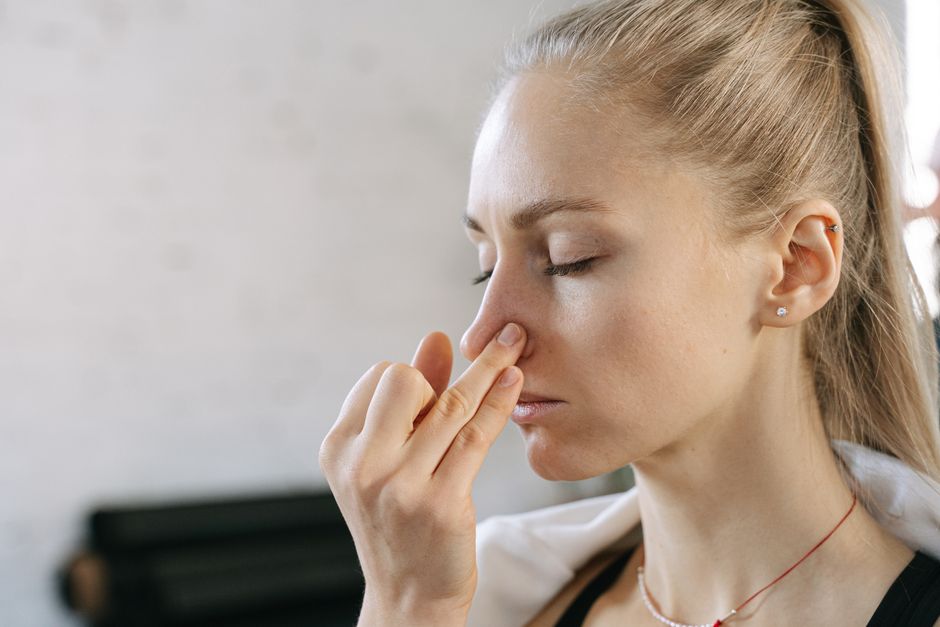
A runny nose and sneezing are your body’s way of clearing the nose of irritants. Most often, the cause is a common cold or an allergy. To stop the symptoms, you need to treat the cause, not just the dripping. For quick relief, antihistamines work for allergies, while decongestants and saline rinses help with colds. If the cause is a virus, the symptoms usually resolve on their own within a week to ten days.
Why Does Your Nose Run and Why Do You Sneeze?
Your nose produces mucus constantly. Normally, you swallow it without noticing. When something irritates the lining of your nose, blood vessels dilate and fluid leaks into the tissue. This creates more mucus and causes the nose to run.
Sneezing is a reflex. It happens when irritants like dust, pollen, or viruses touch the nasal lining. The brain sends a signal to expel air forcefully through the nose and mouth. This is a protective mechanism designed to clear the airway.
Understanding the mechanism matters because it explains why different treatments work. Antihistamines block the chemical that triggers the allergic response. Decongestants shrink swollen blood vessels. Saline rinses simply flush out the irritants and excess mucus.
How To Stop A Runny Nose And Sneezing From Allergies
Allergic rhinitis, often called hay fever, is a leading cause of a runny nose and sneezing. It occurs when your immune system overreacts to a harmless substance like pollen, dust mites, or pet dander. The immune system releases histamine, which causes itching, sneezing, and nasal discharge.
If allergies are the cause, the most effective over-the-counter options are second-generation antihistamines. These include cetirizine, loratadine, and fexofenadine. They block the histamine receptors and reduce sneezing and itching. These newer antihistamines are less likely to cause drowsiness than older ones like diphenhydramine.
Nasal corticosteroid sprays are another strong option. Sprays like fluticasone and triamcinolone reduce inflammation in the nasal passages. They are often more effective for nasal congestion than antihistamines alone. They work best when used daily, not just on the day symptoms appear.
For immediate but temporary relief, a saline nasal spray or rinse can wash out allergens. This does not stop the immune response, but it physically removes the trigger. Some people find this reduces the intensity of their symptoms.
If over-the-counter options do not control symptoms, see a doctor. Prescription options exist, and allergy testing can identify specific triggers. Avoidance of the trigger is the most reliable strategy, but that is not always practical.
How To Stop A Runny Nose And Sneezing From A Cold
The common cold is a viral infection. More than 200 different viruses can cause it, with rhinoviruses being the most common. The runny nose and sneezing are part of the immune response to the virus, not the virus itself damaging tissue.
For a cold, time is the main treatment. Antibiotics do not work against viruses. Most colds resolve within 7 to 10 days. The goal of treatment is to manage symptoms while your immune system clears the infection.
Decongestants like pseudoephedrine can reduce nasal congestion. They work by constricting blood vessels in the nasal passages, which reduces swelling and mucus production. These are available behind the pharmacy counter in many places. They can raise blood pressure, so people with hypertension should check with a pharmacist or doctor first.
Saline nasal irrigation is a safe and effective option for colds. Using a neti pot or squeeze bottle with sterile or distilled water can thin mucus and flush out viral particles. This reduces congestion and may shorten the duration of symptoms slightly. Always use water that has been boiled and cooled, or distilled water, to avoid infection.
Antihistamines are less helpful for colds than for allergies. The first-generation antihistamines like diphenhydramine can dry up the nose because of their anticholinergic effects, but they cause significant drowsiness. They may help you sleep but are not ideal during the day. Newer antihistamines have little effect on a cold-related runny nose.





Home Remedies That Actually Work
Several home remedies have real evidence behind them. Steam inhalation can temporarily relieve congestion. The warm, moist air helps thin mucus and soothe irritated nasal passages. A hot shower or a bowl of steaming water works. There is limited evidence that steam kills viruses, but it can make you more comfortable.
Drinking fluids does not directly stop a runny nose, but it prevents dehydration. When you lose fluid through nasal discharge and breathing through your mouth, you need to replace it. Water, broth, and warm tea are good choices. Staying hydrated keeps mucus thinner and easier to clear.
Honey is a common home remedy for coughs, but it has little effect on a runny nose. Some research suggests honey can soothe a sore throat and reduce coughing at night. Do not give honey to children under one year of age due to the risk of infant botulism.
Chicken soup has been studied. Some research suggests it may have mild anti-inflammatory effects that reduce cold symptoms. The evidence is not strong, but warm soup is hydrating and soothing. There is no harm in trying it.
When Over-The-Counter Medications Are Not The Answer
Some causes of a runny nose and sneezing do not respond to standard allergy or cold treatment. Vasomotor rhinitis is a condition where the nose runs without an allergic or infectious cause. Triggers include temperature changes, strong odors, spicy foods, and emotional stress. Antihistamines often do not work well for this condition.
Some blood pressure medications can cause a runny nose. Beta-blockers and some other drugs can affect nasal secretions. If your symptoms started after beginning a new medication, talk to your doctor. Do not stop a prescribed medication on your own.
Pregnancy can cause nasal congestion and a runny nose. Hormonal changes increase blood flow to the nasal passages. This is called pregnancy rhinitis. It typically resolves after delivery. Saline rinses are safe during pregnancy, but check with your obstetrician before using decongestants or antihistamines.
When To See A Doctor
Most runny noses and sneezing are not serious. But certain signs warrant medical attention. A fever above 101.3°F (38.5°C) lasting more than three days could indicate a bacterial infection. Thick green nasal discharge that lasts more than 10 days may suggest sinusitis.
Severe facial pain, swelling around the eyes, or vision changes require prompt medical evaluation. Difficulty breathing or wheezing alongside nasal symptoms could indicate asthma or a more serious infection. If you have a weakened immune system, seek care earlier rather than later.
If symptoms last more than two weeks without improvement, see a doctor. Chronic rhinitis can be caused by structural problems like a deviated septum or nasal polyps. These require a physical examination and sometimes imaging to diagnose.
How To Prevent A Runny Nose And Sneezing
Prevention depends on the cause. For allergies, avoid known triggers. Keep windows closed during high pollen seasons. Use allergen-proof covers on pillows and mattresses if dust mites are the problem. Shower and change clothes after spending time outdoors during pollen season.
For colds, hand hygiene is the most effective prevention. Wash hands frequently with soap and water for at least 20 seconds. Avoid touching your face, especially your eyes, nose, and mouth. The viruses that cause colds can survive on surfaces for hours.
Supporting your immune system is not about special supplements. Adequate sleep, regular physical activity, and a balanced diet support normal immune function. No supplement has been proven to prevent colds in the general population. Vitamin C may slightly reduce the duration of colds, but the effect is small and it does not prevent them.
Frequently Asked Questions
How long does a runny nose from a cold last?
A cold-related runny nose typically lasts 7 to 10 days. If symptoms persist beyond two weeks, see a doctor to rule out sinusitis or allergies.
Can you stop sneezing immediately?
Antihistamines can reduce sneezing within 30 to 60 minutes if the cause is allergic. If the cause is a cold, no medication stops sneezing instantly; the reflex fades as the infection resolves.
Is it safe to use nasal spray every day?
Saline nasal sprays are safe for daily use. Decongestant sprays like oxymetazoline should not be used for more than three consecutive days because they can cause rebound congestion.
Does blowing your nose make a cold worse?
Forceful blowing can push mucus into the sinuses and potentially cause infection. Blow gently through both nostrils, or use a saline rinse instead of repeated forceful blowing.
