
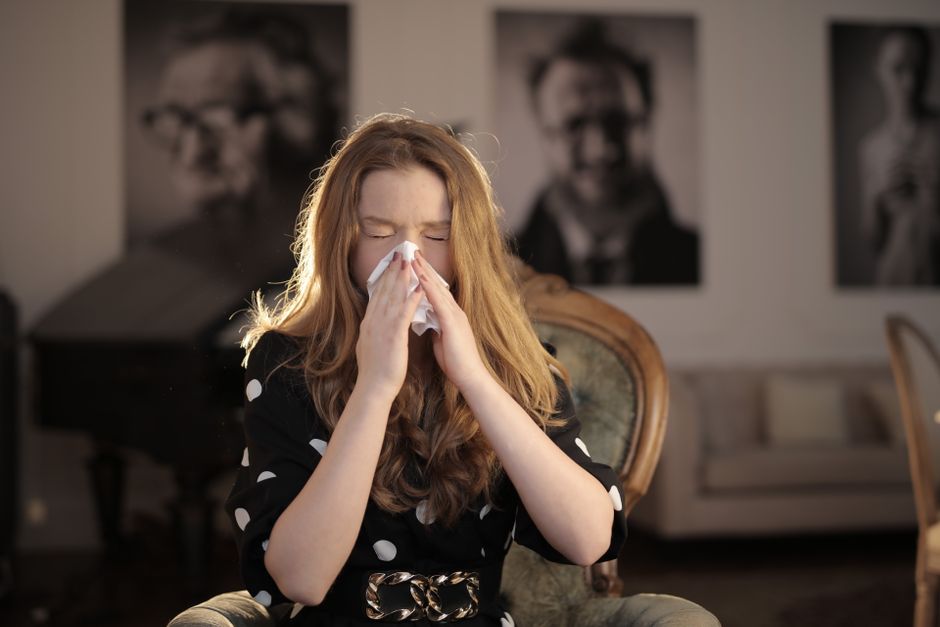
When an allergy attack hits, sneezing can feel unstoppable. The fastest way to stop it is to act early with a fast-acting antihistamine, rinse your nasal passages with saline, and get away from the trigger. For immediate relief during a fit, try pressing your tongue to the roof of your mouth or breathing through your nose slowly. These steps calm the nasal reflex that drives repeated sneezing.
Why Do Allergy Attacks Cause Uncontrollable Sneezing?
Sneezing is a protective reflex. Your body uses it to forcefully expel irritants from your nose. When you have an allergy, your immune system mistakes a harmless substance — like pollen, dust, or pet dander — for a threat.
Your immune system releases a chemical called histamine. Histamine causes blood vessels in your nose to dilate and fluid to leak into surrounding tissues. This creates nasal congestion, a runny nose, and that tickling sensation that triggers sneezing. The sneeze reflex is hard to suppress because it is wired directly into your nervous system. Once the trigger is present, the reflex fires repeatedly until the irritant is cleared or the histamine response is blocked.
How To Stop Sneezing From An Allergy Attack: Immediate Steps
The most effective approach is to interrupt the allergic response quickly. A fast-acting oral antihistamine — such as cetirizine, loratadine, or fexofenadine — can block histamine receptors and reduce sneezing within about an hour. These are available over the counter. Follow the dosing instructions on the label exactly.
For faster relief, consider a nasal antihistamine spray. Some prescription options work within 15 to 30 minutes. Over-the-counter saline nasal sprays do not contain medication, but they help by flushing out allergens and thinning mucus. This can reduce the tickle that triggers sneezing.
If you are in the middle of a sneezing fit, physical tricks can help temporarily. Pressing your tongue firmly against the roof of your mouth while gently pinching your nose may suppress the reflex. Breathing slowly and evenly through your nose can also help. These methods do not treat the allergy — they only interrupt the reflex temporarily.
What Is the Best Antihistamine for Sneezing?
Antihistamines are the first-line treatment for allergy sneezing. They work by blocking histamine receptors, which prevents the chain reaction that causes sneezing, itching, and a runny nose.
There are two main types. First-generation antihistamines like diphenhydramine (Benadryl) work quickly but cause drowsiness. Second-generation antihistamines like cetirizine (Zyrtec), loratadine (Claritin), and fexofenadine (Allegra) are less sedating and last longer. For daytime allergy attacks, second-generation options are usually the better choice because they are less likely to interfere with daily activities.
People respond differently to each medication. If one does not control your sneezing after a few days of consistent use, another may work better. Do not combine multiple oral antihistamines unless a doctor instructs you to. Combining them increases the risk of side effects without adding benefit.




Does Nasal Irrigation Stop Allergy Sneezing?
Nasal irrigation with a saline solution can significantly reduce sneezing during an allergy attack. It works by physically washing out allergens, dust, and excess mucus from your nasal passages. This removes the trigger before your immune system can react to it.
Use a squeeze bottle or a neti pot with sterile or distilled water. Tap water must be boiled and cooled first, or use water labeled sterile or distilled. Add the saline packet that comes with the device. Tilt your head over a sink and pour the solution into one nostril. It will flow through your nasal cavity and out the other nostril. Repeat on the other side.
Nasal irrigation is safe for most people when done correctly. It is not a replacement for medication, but it works well alongside it. Some people use it daily during allergy season as prevention.
How To Prevent Allergy Sneezing Before It Starts
Prevention is more effective than treating a full allergy attack. The key is reducing your exposure to triggers.
Check local pollen counts before going outside. On high-pollen days, keep windows closed and use air conditioning. Shower and change clothes after spending time outdoors. This removes pollen from your skin and hair.
In your home, use allergen-proof covers on pillows and mattresses. Wash bedding in hot water weekly. Vacuum with a HEPA-filter vacuum cleaner. Keep pets out of the bedroom if you are allergic to dander. These steps reduce the allergen load in your environment, which lowers the chance of an attack.
If you know allergy season is approaching, some doctors recommend starting a daily antihistamine or nasal steroid spray a week or two before symptoms typically begin. This is called pre-treatment. It can reduce the severity of the season’s first attacks. Discuss this approach with your doctor to see if it fits your situation.
When Should You See a Doctor for Allergy Sneezing?
Occasional allergy sneezing is manageable at home. But there are times when medical help is needed.
See a doctor if over-the-counter antihistamines do not control your symptoms after two weeks of consistent use. Also seek medical advice if sneezing is accompanied by wheezing, chest tightness, or shortness of breath. These could be signs of asthma, which often occurs alongside allergies.
An allergist can perform skin or blood tests to identify your exact triggers. They can also prescribe stronger treatments. Nasal corticosteroid sprays like fluticasone or mometasone are highly effective for allergy symptoms but require a prescription in some formulations. Allergy immunotherapy — allergy shots or under-the-tongue tablets — can reduce your sensitivity to specific allergens over time. This is a long-term treatment that changes how your immune system responds.
Do not ignore symptoms that interfere with sleep, work, or daily life. Chronic untreated allergies can lead to sinus infections, poor sleep quality, and reduced concentration.
Are There Home Remedies That Actually Work for Sneezing?
Some home remedies have real evidence behind them. Others are popular but unproven.
Saline nasal rinses are the most evidence-backed home approach. They clean the nose without medication. Steam inhalation can also help by moistening irritated nasal passages, though the effect is temporary. A cool-mist humidifier in your bedroom can reduce nighttime dryness that worsens nasal irritation.
Honey is often promoted as an allergy remedy. The evidence is mixed. Some research suggests local honey may slightly reduce symptoms, but no large controlled trials have confirmed this. It is not a substitute for antihistamines.
Butterbur extract has shown promise in some studies for allergic rhinitis. However, raw butterbur contains compounds that can be toxic to the liver. Only use products labeled as free of pyrrolizidine alkaloids, and consult a doctor before trying it.
No home remedy will stop an active allergy attack as quickly or reliably as medication. Use them as supplements to treatment, not replacements.
Frequently Asked Questions
How do I stop sneezing immediately during an allergy attack?
Take a fast-acting antihistamine and rinse your nose with saline solution. Pressing your tongue to the roof of your mouth may temporarily interrupt the sneeze reflex.
Will drinking water stop allergy sneezing?
Drinking water does not stop sneezing directly. Staying hydrated keeps nasal mucus thinner, which may reduce irritation, but it does not block the histamine response.
Can allergy sneezing be a sign of something serious?
Sneezing alone is rarely serious. Seek medical attention if it comes with wheezing, chest tightness, or shortness of breath, as these may indicate asthma.
Is it safe to take antihistamines every day for allergies?
Second-generation antihistamines are generally safe for daily use during allergy season. Long-term daily use should be discussed with a doctor to confirm it is appropriate for your situation.
