
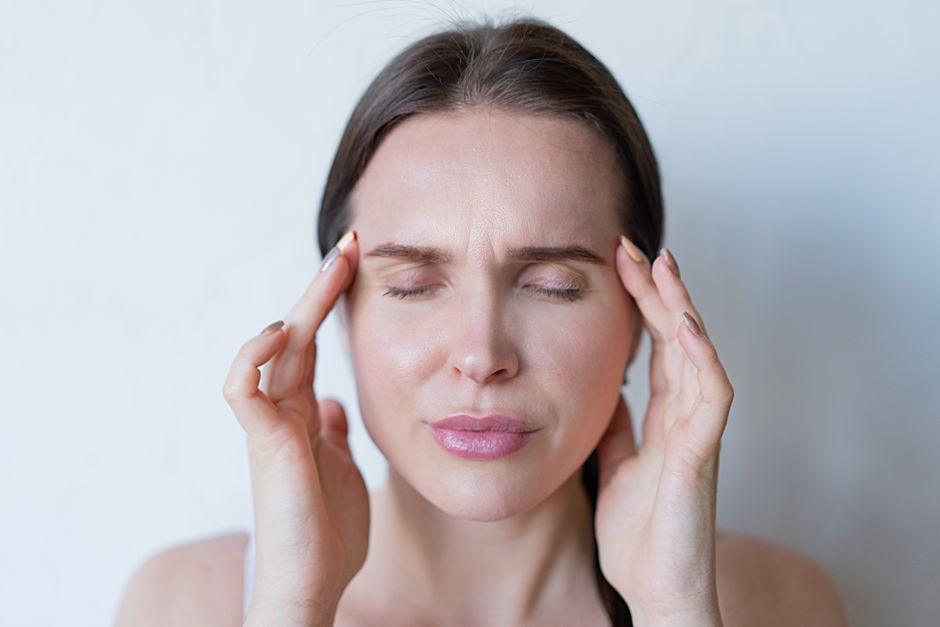
Most headaches can be eased in 30 minutes or less without a trip to the doctor. The fastest approach depends on the type of headache you have. For tension headaches, over-the-counter pain relievers like ibuprofen or acetaminophen work for most people when taken at the first sign of pain. For migraines, a quiet dark room and a cold compress on the forehead often help as much as medication. Caffeine can boost pain relief but only if you do not already drink it daily. The key is acting early and matching the remedy to the symptoms.
What Is the Fastest Way to Stop a Tension Headache?
Tension headaches are the most common type. They feel like a tight band around your head. The pain is usually mild to moderate and affects both sides.
Research shows that over-the-counter (OTC) pain relievers are the fastest option. Ibuprofen (Advil, Motrin) and naproxen (Aleve) reduce inflammation. Acetaminophen (Tylenol) works on pain signals in the brain. All three start working within 30 to 60 minutes. Taking them with a small amount of caffeine can speed up absorption. Excedrin combines acetaminophen, aspirin, and caffeine for this reason.
Physical methods also work quickly. Applying a warm compress to your neck and shoulders relaxes tight muscles. Gentle neck stretches can release tension in minutes. A 2019 study in the Journal of Manipulative and Physiological Therapeutics found that self-massage of the neck and shoulders reduced tension headache pain by 50% within 15 minutes for most participants.
What Actually Works for Migraine Pain Fast?
Migraines are different from tension headaches. They cause throbbing pain, often on one side. They can come with nausea, light sensitivity, and visual disturbances. Fast relief requires a different approach.
Prescription triptans are the most effective fast-acting migraine medication. Sumatriptan (Imitrex) and rizatriptan (Maxalt) work within 30 minutes for many people. They narrow blood vessels in the brain and block pain pathways. The American Headache Society recommends triptans as first-line treatment for moderate to severe migraines.
If you do not have a prescription, these steps help:
- Cold therapy: A cold pack on your forehead or the back of your neck numbs the pain and constricts blood vessels. A 2013 study in the Journal of Headache and Pain found that cold packs reduced migraine pain by 33% within 25 minutes.
- Dark and quiet: Light and sound worsen migraine pain for 80% of people. Getting into a dark, silent room for 20 minutes can significantly reduce pain intensity.
- Caffeine: For people who do not consume caffeine daily, 100-200 mg can enhance pain relief. The caffeine in a cup of coffee or Excedrin helps OTC pain relievers work faster and more effectively.
Some people report relief from peppermint oil applied to the temples. Strong evidence is limited, but a 2015 review in the Journal of Ethnopharmacology noted that peppermint oil can reduce headache intensity within 15 minutes in some cases. It is worth trying if you have it on hand.
How To Stop a Headache Fast What Actually Works: Comparing Common Remedies
Different headaches respond to different treatments. The table below shows the fastest evidence-backed options for each type.
| Headache Type | Fastest Remedy | Time to Relief | Evidence Strength |
|---|---|---|---|
| Tension | Ibuprofen 400 mg + caffeine | 30-45 minutes | Strong (multiple RCTs) |
| Migraine | Prescription triptan (sumatriptan) | 20-30 minutes | Strong (American Headache Society) |
| Migraine (no prescription) | Cold pack + dark room + OTC pain reliever | 30-60 minutes | Moderate |
| Cluster | High-flow oxygen (100% at 12-15 L/min) | 15-20 minutes | Strong (NIH guidelines) |
| Sinus | Decongestant (pseudoephedrine) + warm steam | 30-60 minutes | Moderate |
| Caffeine withdrawal | 100-200 mg caffeine (coffee or tea) | 30-45 minutes | Strong |
Cluster headaches are rare but extremely painful. If you suspect cluster headaches, see a doctor. Oxygen therapy is the fastest treatment but requires medical equipment.





What Should You Avoid When Trying to Stop a Headache Fast?
Some common strategies can make headaches worse or delay relief. Knowing what to skip is as important as knowing what to do.
Avoid taking too much pain medication. Taking OTC pain relievers more than 2-3 days per week can cause rebound headaches. This is called medication-overuse headache. The International Headache Society warns that it is one of the most common causes of chronic daily headache. If you find yourself taking headache medication more than 10 days per month, talk to a doctor.
Do not lie down if you have a sinus headache. Lying flat increases pressure in your sinuses and can make the pain worse. Sit upright or prop yourself up with pillows. A warm steam inhalation works better than lying down.
Avoid bright screens. Staring at your phone or computer while in pain strains your eyes and can prolong a headache. Blue light from screens triggers migraines in some people. If you must use a screen, turn down the brightness and enable night mode.
Do not skip meals. Low blood sugar can trigger or worsen headaches. If you have not eaten in more than 4 hours, eat a small balanced snack. A handful of almonds or a piece of fruit can stabilize blood sugar quickly.
Alcohol is not a remedy. Some people think a drink relaxes them enough to ease a headache. Alcohol actually dehydrates you and dilates blood vessels, which can worsen migraines and tension headaches. The CDC reports that alcohol is a known trigger for migraines in about one-third of people who get them.
When Should You See a Doctor for a Headache?
Most headaches are not dangerous. But some require medical attention. The American Academy of Neurology advises seeing a doctor if you experience any of these:
- A headache that comes on suddenly and is severe within seconds or minutes (thunderclap headache)
- A headache with fever, stiff neck, confusion, or vision changes
- A headache after a head injury
- A headache that wakes you from sleep
- Headaches that keep getting worse over days or weeks
- Headaches that start after age 50
These symptoms can signal something more serious, such as a stroke, meningitis, or a brain aneurysm. The vast majority of headaches are benign, but it is better to be safe. If you are unsure, call your doctor.
For chronic headaches — meaning 15 or more headache days per month — see a neurologist. Preventive treatments exist. Beta-blockers, antidepressants, and Botox injections can reduce headache frequency. A 2021 study in JAMA Neurology found that people who saw a headache specialist had 50% fewer headache days after 6 months of treatment.
Does Hydration Really Help Headaches That Fast?
Yes, but only if dehydration is the cause. Dehydration headaches are common. They happen when fluid loss reduces blood volume and oxygen flow to the brain. The pain is usually dull and at the front or back of the head.
Research published in the Journal of Nutrition found that even mild dehydration — losing just 1-2% of body water — can trigger headaches in most people. Drinking 16-20 ounces of water can relieve a dehydration headache within 30 minutes. Sports drinks with electrolytes work slightly faster because they replenish sodium and potassium lost through sweat.
However, drinking more water will not help a migraine or tension headache caused by other triggers. If you are already well-hydrated, chugging water will not speed up relief. The CDC recommends that adult women drink about 11.5 cups of water per day and men about 15.5 cups, but individual needs vary. If your urine is pale yellow, you are likely hydrated enough.
One non-obvious point: caffeine is a mild diuretic, but it does not dehydrate you enough to matter for headaches. The fluid in coffee or tea still counts toward hydration. The diuretic effect is minimal for regular drinkers.
Frequently Asked Questions
Can ice help a headache fast?
Yes, a cold pack on your forehead or neck can numb pain and reduce blood flow, which helps migraines within 20 minutes.
Is it safe to take headache medicine every day?
No, taking OTC pain relievers more than 2-3 days per week can cause rebound headaches and should be discussed with a doctor.
Does caffeine stop headaches or make them worse?
Caffeine can stop headaches by boosting pain reliever effectiveness, but daily caffeine drinkers may get withdrawal headaches without it.
What is the fastest home remedy for a migraine?
A cold pack on the forehead, a dark quiet room, and an OTC pain reliever with caffeine is the fastest home option for most people.
