
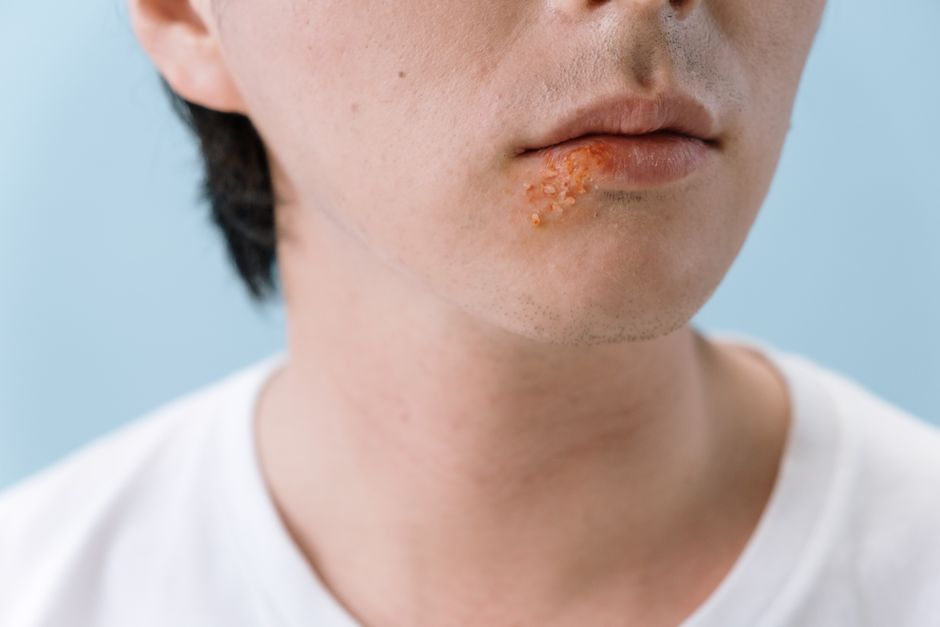
If you have a canker sore, you want it gone yesterday. The fastest way to heal one is to reduce inflammation and pain with a steroid paste like triamcinolone (Kenalog in Orabase) or a protective paste that seals the sore. Over-the-counter treatments with active ingredients like hydrogen peroxide, benzocaine, or sodium lauryl sulfate-free options can shorten healing time from 10–14 days to about 5–7 days if started early. But no single cure works for everyone, and some popular home remedies can make things worse.
What Actually Causes a Canker Sore?
Canker sores, also called aphthous ulcers, are not cold sores. They are not caused by the herpes virus. They are small, shallow lesions that form inside the mouth on soft tissue like the cheeks, lips, or under the tongue. They are not contagious.
The exact cause is unknown, but research points to several triggers. Minor injuries from biting your cheek, brushing too hard, or eating sharp foods like chips can start one. Stress and lack of sleep are common triggers. Some people get them from acidic foods like citrus, tomatoes, or coffee. Hormonal changes during menstruation can also play a role.
A 2022 review in Oral Diseases noted that genetics likely matter. If your parents got canker sores, you probably will too. Nutritional deficiencies in vitamin B12, folic acid, iron, and zinc are linked to recurring sores. The CDC does not track canker sores as a reportable condition, but studies estimate that about 20% of people get them at least once.
Does Rinsing with Salt Water Help?
Salt water rinses are one of the most common home remedies. The logic is that salt can kill bacteria and reduce swelling. Some studies suggest that a warm salt water rinse can soothe the area and may help keep the sore clean.
But here is the catch. Salt water does not directly heal the ulcer. It does not speed up tissue repair. What it does is create a slightly hostile environment for bacteria, which might prevent infection. If you use too much salt, it will sting badly and could irritate the surrounding tissue even more.
The evidence here is weak. No major clinical trial has shown that salt water alone shortens healing time. If you want to try it, use one teaspoon of table salt dissolved in a cup of warm water. Swish for 30 seconds and spit. Do this twice a day. But do not expect a miracle.
What Over-the-Counter Products Actually Work?
Several products sold at pharmacies have real evidence behind them. The key is to start using them as soon as you feel the sore forming.
Protective pastes and films like Orabase or Canker Cover form a barrier over the sore. This reduces pain from food and saliva contact. A 2019 study in the Journal of Oral Pathology & Medicine found that protective films can reduce pain within 2–3 minutes and keep the sore from getting irritated. They do not heal the tissue faster, but they make the experience less miserable.
Steroid pastes like triamcinolone acetonide (Kenalog in Orabase) are the closest thing to a fast-track treatment. Steroids reduce inflammation directly. When applied early, they can shrink the sore and cut healing time by several days. You need a prescription for the stronger versions, but some low-dose steroid gels are available over the counter. Apply a tiny dab directly on the sore after meals and at bedtime.
Benzocaine gels like Orajel numb the area. They do not heal anything. They just block pain signals for about 20–30 minutes. That can be helpful before eating or brushing teeth, but it is not a cure.
Hydrogen peroxide rinses (diluted) can clean the sore and reduce bacteria. A 1.5% hydrogen peroxide mouth rinse like Peroxyl is sold for this purpose. Evidence from a 2020 study in Clinical Oral Investigations showed that it can reduce sore duration by about 1–2 days compared to no treatment. Do not use full-strength hydrogen peroxide. It will burn and damage healthy tissue.
Here is a quick comparison of common products:
| Product Type | How It Works | Evidence Level | Heals Faster? |
|---|---|---|---|
| Protective paste (Orabase) | Barrier against irritation | Moderate | No |
| Steroid paste (triamcinolone) | Reduces inflammation | Strong | Yes |
| Benzocaine gel | Numbs pain | Moderate | No |
| Hydrogen peroxide rinse | Cleans and reduces bacteria | Moderate | Slightly (1–2 days) |
| Salt water rinse | Mild antiseptic | Weak | No |




What About Natural Remedies Like Honey or Aloe?
Honey has been studied for wound healing because of its antibacterial and anti-inflammatory properties. A 2021 study in Quintessence International compared honey to a standard steroid gel for canker sores. The honey group had slightly faster healing and less pain than the no-treatment group. But the steroid gel still performed better overall.
Aloe vera gel is another popular option. Some small studies suggest it can reduce pain and inflammation. A 2018 trial in the Journal of Clinical and Experimental Dentistry found that aloe vera mouthwash reduced canker sore size by about 2–3 days compared to placebo. The effect was modest.
These natural options are not harmful, but they are not as effective as steroid pastes or protective films. If you prefer natural products, honey or aloe are reasonable choices. Just know that the evidence is not strong enough to call them a fast cure.
Some people report that applying a damp black tea bag helps. Tannins in tea have astringent properties, which might dry out the sore. There is no clinical evidence for this, and some people find it irritating. It is not recommended as a primary treatment.
What Should You Avoid When You Have a Canker Sore?
This part matters more than most people realize. Some things you might try can actually make the sore worse or delay healing.
- Acidic or spicy foods. Citrus fruits, tomatoes, vinegar-based dressings, and hot peppers directly irritate the ulcer. Avoid them until the sore heals.
- Crunchy foods. Chips, crackers, and nuts can scrape the sore and make it larger. Stick to soft foods like yogurt, mashed potatoes, and soup.
- Alcohol-based mouthwashes. Many commercial mouthwashes contain alcohol, which dries out the mouth and stings the sore. Use a non-alcoholic rinse instead.
- Toothpaste with sodium lauryl sulfate (SLS). SLS is a foaming agent. Some research, including a 2019 study in Oral Diseases, has linked SLS to increased canker sore frequency in people prone to them. Switch to an SLS-free toothpaste for a few days.
- Picking or poking the sore. It is tempting to touch it with your tongue or a finger. Do not. This introduces bacteria and delays healing.
One non-obvious point: stress and lack of sleep can keep a canker sore from healing. If you are run down, your immune system is less efficient at repairing tissue. Getting 7–8 hours of sleep and managing stress with deep breathing or a short walk can actually help the sore heal faster. This is not fluff. The immune system needs rest to function properly.
How To Heal A Canker Sore Fast What Actually Works?
Here is a clear summary of the steps that have the best evidence behind them.
First, identify the sore early. The moment you feel that familiar tingle or sting, start treatment. Apply a steroid paste like triamcinolone directly on the spot. If you do not have that, use a protective paste like Orabase to cover it. Both reduce pain and prevent the sore from getting bigger.
Second, switch to an SLS-free toothpaste for the duration. Avoid acidic, spicy, and crunchy foods. Rinse with a diluted hydrogen peroxide mouthwash once or twice a day if you have one. If not, a gentle salt water rinse is fine, but do not expect it to speed healing.
Third, take care of yourself. Get enough sleep. Eat soft, bland foods. Drink water to keep your mouth moist. If you have recurring canker sores, talk to your doctor about checking for vitamin deficiencies. A simple blood test for B12, iron, and folate levels might reveal an underlying cause.
If the sore lasts longer than two weeks, is unusually large, or comes with a fever, see a dentist or doctor. Most canker sores are harmless, but persistent ones can be a sign of something else like an autoimmune condition or oral cancer.
There is no magic pill. But the combination of a steroid paste, protective barrier, and avoiding triggers can cut healing time in half for many people. That is as close to fast as the evidence gets.
Frequently Asked Questions
Can I pop a canker sore like a blister?
No. Canker sores are not blisters. Popping or picking them will make them larger, more painful, and slower to heal.
Will mouthwash kill a canker sore?
No. Mouthwash cannot kill a canker sore because it is not an infection. Alcohol-based mouthwashes can irritate it. Use a non-alcohol rinse or diluted hydrogen peroxide instead.
How long do canker sores normally last?
Most heal on their own within 10 to 14 days. Treatment can shorten that to about 5 to 7 days if started early.
Should I see a doctor for a canker sore?
See a doctor if the sore lasts more than two weeks, is larger than half an inch, or comes with fever or swollen lymph nodes. These are not typical for simple canker sores.
