
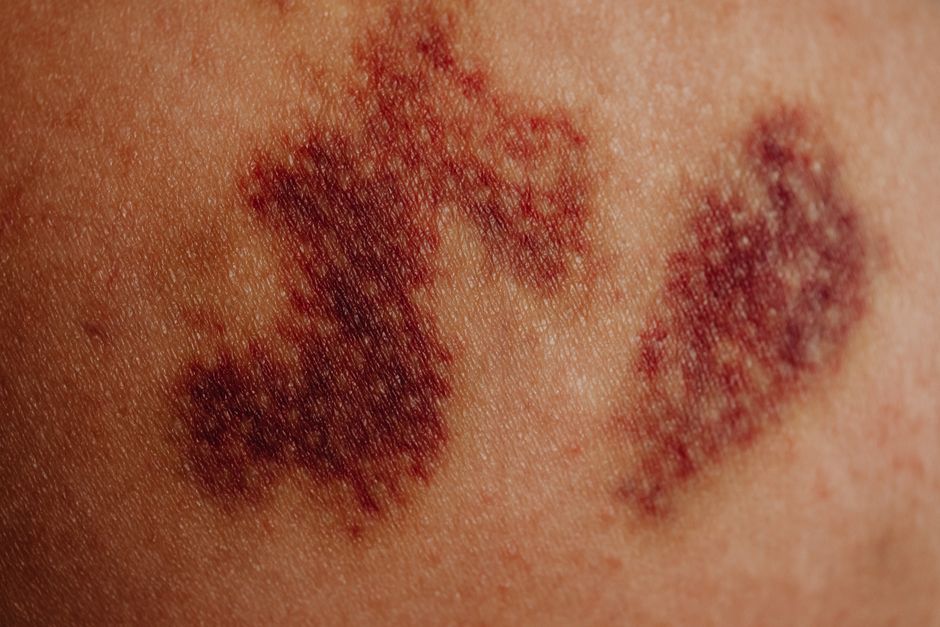
A bruise forms when blood leaks from broken capillaries under your skin after a hit, and the clock starts ticking immediately. The best chance to stop a bruise from forming is to act within the first minute. Apply firm, direct pressure to the area with a cold pack for 10 to 15 minutes to slow blood flow and reduce the leak. This is not a guarantee, but it is the only method with solid evidence behind it for minimizing a bruise before it fully develops.
What Exactly Happens When You Get Hit?
A bruise, medically called a contusion, is a collection of blood trapped beneath the skin. When a blunt object hits you hard enough, your small blood vessels called capillaries rupture. Blood seeps into the surrounding tissue. Your body then sends inflammatory cells to clean up the mess, which causes the black, blue, or purple color you see.
The severity of a bruise depends on how many capillaries break and how deep the hit is. A light tap might only cause a few broken vessels. A hard hit can rupture dozens. The blood spreads under the skin until your body’s clotting system stops the leak. This process takes time, which is why immediate action matters.
Research published in the Journal of Athletic Training found that cold application within five minutes of injury significantly reduced the size of bruises in controlled studies. The window is narrow. After about 15 minutes, the blood has already spread enough that you cannot fully stop the bruise from forming.
Does Ice Actually Stop a Bruise From Forming?
Yes, but only if you use it correctly. Ice works by constricting blood vessels. This is called vasoconstriction. When vessels tighten, less blood flows through the broken capillaries, so less blood leaks into the tissue. Less blood means a smaller bruise.
The key is timing and technique. Apply an ice pack directly to the hit area as soon as possible. Do not keep it on for longer than 15 minutes at a time. Taking it off for 15 minutes before reapplying is fine if you still see swelling. Wrap the ice pack in a thin cloth to avoid frostbite on the skin.
One common mistake is using ice that is too cold or leaving it on too long. This can damage the skin and actually make the bruise worse by causing additional inflammation. Stick to 10 to 15 minutes. That is enough time to constrict the vessels without harming the tissue.
Some people report that heat helps bruises heal faster. Do not use heat immediately after a hit. Heat dilates blood vessels, which increases blood flow and makes the bruise larger. Wait at least 48 hours before applying heat to help reabsorb the blood.
What About Arnica, Vitamin K, or Other Creams?
Many creams and gels claim to stop bruises from forming. The evidence is mixed and often weak. Arnica is a popular herbal remedy. Some studies suggest it can reduce bruise size when applied topically. A 2016 review in the British Journal of Dermatology found that arnica gel showed a small but statistically significant reduction in bruise size compared to placebo. But the effect was modest, and not all studies agree.
Vitamin K cream is another common option. Your body needs vitamin K for blood clotting. Applying it topically may help the clotting process work faster. Some dermatologists recommend it for bruising after cosmetic procedures. The evidence is limited to small studies. It may help, but it is not a proven method to stop a bruise from forming on its own.
Other creams contain bromelain, an enzyme from pineapple, or horse chestnut extract. These ingredients are thought to reduce inflammation. Again, the research is not strong enough to say they work reliably. If you want to try a cream, choose one with a simple ingredient list and apply it after the ice treatment, not instead of it.
| Treatment | Evidence Level | Best Use |
|---|---|---|
| Ice pack (immediate) | Strong | First 15 minutes after hit |
| Arnica gel | Moderate | After initial ice treatment |
| Vitamin K cream | Weak to moderate | For sensitive skin or frequent bruising |
| Heat pack | Not recommended | Only after 48 hours |




How To Stop A Bruise From Forming After A Hit Using Pressure
Direct pressure is often overlooked but can be just as important as ice. When you press on the hit area, you physically compress the broken capillaries. This reduces the space blood can leak into. Think of it like squeezing a punctured water balloon. The pressure slows the leak.
Use your hand or a cloth to apply firm, steady pressure for 2 to 3 minutes immediately after the hit. Do not rub or massage the area. Rubbing can break more capillaries and make the bruise worse. Just press and hold. Then apply the ice pack on top of the pressure for the full 10 to 15 minutes.
This combination of pressure and cold is the most effective method based on current evidence. The American Academy of Dermatology recommends this approach for minor injuries. It works best for hits on fleshy areas like the thigh or arm. Bony areas like the shin do not compress as well, so bruises there are harder to stop.
One non-obvious insight: raising the injured area above your heart also helps. Elevation uses gravity to reduce blood flow to the area. If you hit your leg, lie down and prop it up on a pillow. This works alongside pressure and ice to minimize the bruise.
What to Avoid After a Hit
Some common habits make bruises worse. Do not take aspirin or ibuprofen right after a hit. These drugs thin your blood and slow clotting. They increase the amount of blood that leaks out. If you take them regularly for a medical condition, talk to your doctor before stopping. But if you just got hit, skip the painkiller for at least 24 hours.
Alcohol is another problem. Alcohol thins your blood and dilates blood vessels. Drinking after a hit can make a bruise much larger and darker. Avoid alcohol for at least 24 hours after the injury.
Do not massage the area. Many people instinctively rub a bump. This spreads the blood under the skin and makes the bruise bigger. Leave the area alone. Do not poke, prod, or press on it repeatedly.
Do not use heat for the first two days. As mentioned earlier, heat increases blood flow. It will not help stop a bruise from forming. Save the heat for later when you want to help the body reabsorb the blood that has already leaked.
When a Bruise Signals Something More Serious
Most bruises are harmless and heal within one to two weeks. But some bruises need medical attention. If the bruise is very large, covers a joint, or is accompanied by severe pain and swelling, you may have a deeper injury like a muscle tear or fracture. Seek care if you cannot move the area normally.
Bruises that appear without any known cause can be a sign of a bleeding disorder or medication side effect. The CDC notes that unexplained bruising, especially with other symptoms like fatigue or frequent nosebleeds, warrants a medical evaluation. Do not ignore this.
If you bruise easily and often, your doctor can check your platelet count and clotting factors. Some people naturally have fragile capillaries. Others may have low vitamin C or K levels. A simple blood test can rule out serious issues.
Bruises that do not start to fade after two weeks should also be checked. Rarely, a persistent bruise can be a sign of a blood clot or skin condition. When in doubt, see a healthcare provider.
Common Misconceptions About Bruises
One widespread myth is that putting a raw steak on a bruise helps. This is not true and can cause infection. The cold from the steak might help, but a clean ice pack works just as well without the risk. Stick to proper methods.
Another myth is that eating pineapple or taking bromelain supplements will stop a bruise instantly. Bromelain has anti-inflammatory properties, but it takes hours to work. It will not stop a bruise from forming in the critical first minutes. It might help with healing later.
Some people believe that rubbing a bruise with a coin or other hard object breaks up the blood and speeds healing. This is dangerous. It breaks more capillaries and can cause deeper tissue damage. Never do this.
Finally, many people think that all bruises are the same. They are not. A bruise from a hit is different from a bruise caused by a medical condition. A bruise on your shin after bumping a table is normal. A bruise on your arm that appears for no reason is not. Pay attention to context.
Frequently Asked Questions
Can you completely stop a bruise from forming?
No, but you can significantly reduce its size by applying ice and pressure within the first minute after the hit.
Does putting butter on a bruise help?
No, butter has no evidence of helping and can trap heat, which may make the bruise worse.
How long after a hit can you still stop a bruise?
The window is about 15 minutes. After that, the blood has already spread too much to stop the bruise fully.
Should you take aspirin for a bruise?
No, aspirin thins your blood and can make the bruise larger. Avoid it for at least 24 hours after the injury.
