
A deep tissue bruise happens when blood vessels under the skin break from a hard impact. The blood pools deep in the muscle or tissue, not just near the surface. Treating it correctly means acting fast with ice, then switching to heat, and knowing when to see a doctor. The first step is always RICE: rest, ice, compression, and elevation. This article walks you through each step and explains what the evidence actually says.
What Is a Deep Tissue Bruise and How Is It Different?
A deep tissue bruise is not the same as a surface bruise you get from bumping your shin. Surface bruises happen in the small blood vessels just under the skin. Deep tissue bruises involve blood pooling in the muscle or the tissue between muscle and bone. They look darker, feel harder, and take longer to heal.
The medical term for a deep bruise is a contusion. When the impact is hard enough, blood leaks from broken capillaries and small veins. That blood spreads through the deeper layers. You may not see the full discoloration for a day or two. The area will feel firm and tender. Swelling can make it hard to move the muscle normally.
Research published in the Journal of Athletic Training notes that deep contusions can take up to four to six weeks to fully heal. Surface bruises often clear in one to two weeks. The difference matters because treatment timelines are not the same. You need to be patient with deep bruises and avoid rushing back to activity.
How To Treat A Deep Tissue Bruise Step By Step: The First 48 Hours
The first two days after the injury are critical. Your goal is to limit bleeding and reduce swelling. Ice is your best tool here. Apply an ice pack wrapped in a thin cloth for 15 to 20 minutes every two to three hours. Do not put ice directly on the skin — that can cause frostbite. The cold narrows blood vessels and slows the blood flow into the tissue.
Compression helps too. An elastic bandage wrapped snugly around the area keeps swelling down. Make sure it is not so tight that it cuts off circulation. You should be able to slide a finger under the bandage easily. Elevation is the third part of the early treatment. If the bruise is on your leg, prop it up on pillows so it sits above your heart. This uses gravity to drain fluid away from the injury.
Rest is non-negotiable in the first 48 hours. Do not use the injured muscle for heavy lifting, running, or any activity that causes pain. Walking with a limp or favoring the limb can cause other problems. The CDC states that early rest prevents the bruise from expanding and reduces recovery time. Pushing through pain in the first two days makes the bruise worse.
When To Switch From Ice to Heat
After 48 to 72 hours, the bleeding has usually stopped. Now the goal is to clear the pooled blood and relax the muscle. Heat helps with this. A warm compress or heating pad on a low setting for 15 to 20 minutes increases blood flow to the area. More blood brings in cells that clean up the broken-down blood and repair the tissue.
Do not switch to heat too early. If the area is still warm to the touch or swelling is increasing, keep using ice. The American Academy of Orthopaedic Surgeons recommends waiting until the swelling has peaked and started to go down. For most people, that happens around day three. If you are unsure, stick with ice one more day. It is safer to ice too long than to heat too early.
Some people alternate ice and heat after the first three days. This is called contrast therapy. The idea is that cold shrinks blood vessels and heat expands them, creating a pumping effect. Evidence on contrast therapy is mixed. A review in the International Journal of Sports Medicine found no strong evidence it speeds healing compared to heat alone. If you find it feels good, it is safe to do. Just do not expect it to work dramatically better.




What Medications Help and Which Ones Make Bruises Worse
Pain from a deep bruise can be significant. Over-the-counter pain relievers like acetaminophen (Tylenol) are a safe choice. Acetaminophen works on pain but does not affect bleeding or inflammation. That makes it a good option for the first few days.
Avoid ibuprofen (Advil, Motrin) and naproxen (Aleve) for the first 48 hours. These are nonsteroidal anti-inflammatory drugs (NSAIDs). They reduce inflammation but they also thin the blood slightly. That can make the bruise bigger and slow the clotting process. The same warning applies to aspirin. A study in the British Journal of Sports Medicine found that athletes who took NSAIDs within 24 hours of a contusion had larger bruises and longer recovery times.
After the first two to three days, NSAIDs are generally safe to use. The bleeding has stopped by then. The anti-inflammatory effect can help with pain and stiffness. Always follow the dosing instructions on the bottle and do not take them for more than 10 days without talking to a doctor.
When To See a Doctor for a Deep Tissue Bruise
Most deep bruises heal on their own. But some situations need medical attention. If the bruise is on your head, chest, or abdomen after a hard hit, see a doctor. Internal bleeding in those areas can be serious. Symptoms like dizziness, confusion, or trouble breathing mean you need emergency care.
Watch for signs of compartment syndrome. This is a rare but dangerous condition where pressure builds up inside the muscle. Symptoms include severe pain that is worse than expected, numbness, tingling, and a feeling of tightness. The skin may look pale or feel cool. Compartment syndrome requires immediate surgery to relieve the pressure. The American College of Surgeons reports that delayed treatment can cause permanent muscle damage.
Also see a doctor if the bruise does not improve after two weeks. A hard lump that stays in place could be a hematoma that needs draining. If you have unexplained bruising with no known injury, that can signal a bleeding disorder or low platelet count. A simple blood test can rule out these issues.
| When to See a Doctor | What to Watch For |
|---|---|
| Head, chest, or abdomen impact | Dizziness, confusion, trouble breathing |
| Compartment syndrome signs | Severe pain, numbness, pale skin |
| No improvement after 2 weeks | Hard lump, persistent swelling |
| Unexplained bruising | No known injury, frequent bruising |
Common Misconceptions About Deep Bruise Treatment
One myth is that arnica cream speeds up bruise healing. Arnica is a plant extract used in homeopathic creams. Some people report less bruising after using it. However, a 2016 review in the Journal of the American Academy of Dermatology found no strong evidence that arnica works better than a placebo for bruise treatment. If you like the cream, it is unlikely to hurt. But do not count on it to make a deep bruise heal faster.
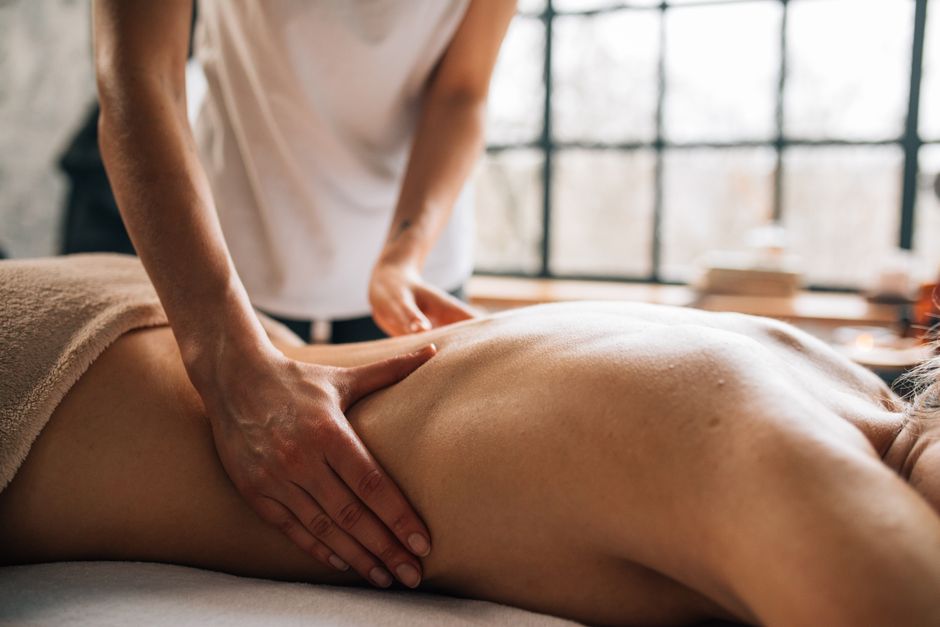
Another myth is that you should massage a bruise to break up the blood. This is wrong. Massaging a fresh bruise can push blood into surrounding tissue and make the bruise larger. It can also damage fragile blood vessels that are trying to heal. Wait until the bruise is mostly yellow or green — usually after a week — before gentle massage. Even then, keep it light.
Some people think vitamin K cream helps bruises. Vitamin K plays a role in blood clotting. Creams with vitamin K are sometimes used after cosmetic procedures to reduce bruising. Research is limited for deep muscle bruises. One small study in Dermatologic Surgery found a modest effect on surface bruising after laser treatments. For a deep contusion, the evidence is too weak to recommend it.
- Do not use arnica expecting fast results — evidence is weak.
- Do not massage a fresh bruise — it makes things worse.
- Vitamin K cream is unproven for deep bruises.
- Do not apply heat in the first 48 hours.
- Do not take ibuprofen or aspirin in the first two days.
How Long Does a Deep Tissue Bruise Take to Heal?
Healing time depends on the severity of the impact and where the bruise is located. A mild deep bruise on the thigh might feel better in two to three weeks. A severe contusion on the calf or quadriceps can take four to six weeks. The bruise will change color as it heals: from dark purple or black in the first few days, to blue or green around day five, then yellow or brown as it fades.
Pain usually improves faster than the discoloration. You might feel fine but still see a yellow patch for another week. That is normal. The body breaks down the hemoglobin in the trapped blood and slowly clears it. The process cannot be rushed. No cream, pill, or therapy will make the body clean up blood cells faster than its natural pace.
Return to activity gradually. Start with gentle stretching when the pain is gone. Then add light movement without resistance. If you feel pain, back off. The National Athletic Trainers’ Association advises a return-to-play protocol that goes from no pain at rest to no pain during activity before full intensity. Pushing too hard too soon can re-injure the tissue and set you back weeks.
Frequently Asked Questions
Can I exercise with a deep tissue bruise?
Avoid exercise that uses the injured muscle for at least 48 hours. After that, gentle movement without pain is okay. Stop if the pain returns.
Should I wrap a deep bruise tightly?
Wrap it snugly but not tight enough to cut circulation. You should be able to slide one finger under the bandage. Remove the wrap if you feel numbness or tingling.
Is it normal for a deep bruise to feel hard?
Yes. A firm lump under the skin is common as blood pools. If the lump does not soften after two weeks or grows larger, see a doctor.
Can heat make a deep bruise worse?
Heat in the first 48 hours can increase bleeding and swelling. Wait until swelling has stopped before using heat. Usually around day three.
