
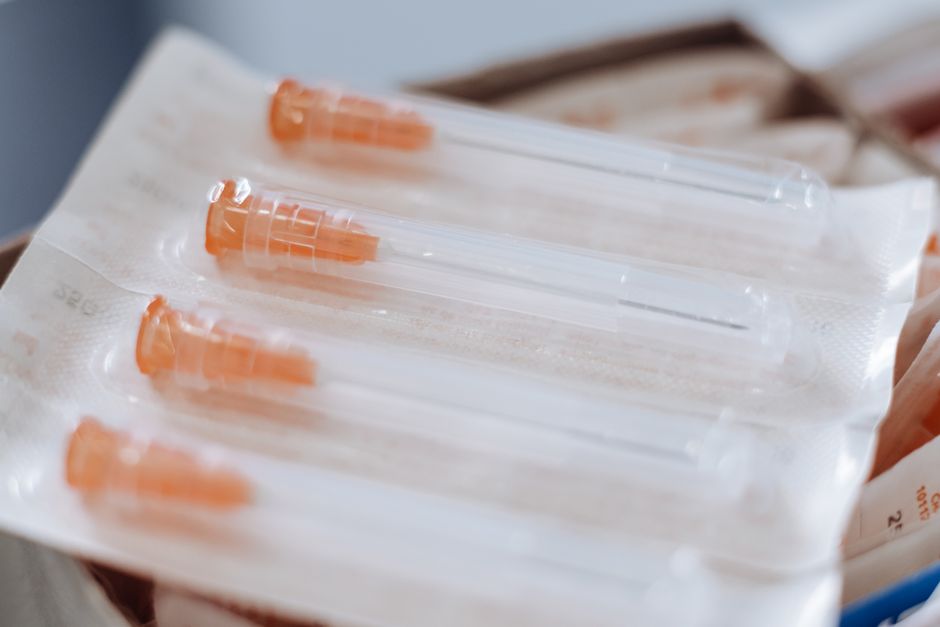
If you need to sterilize a needle at home, boiling it in water for at least 30 minutes is the most reliable method you have. Rubbing alcohol is a decent second choice, but it does not kill all types of bacteria and viruses. The safest option is always a new, sterile needle from a sealed package, but when that is not possible, these methods can reduce—but not eliminate—your risk of infection.
Why Sterilizing a Needle Matters
Needles break the skin. That means they bypass your body’s first line of defense. Any bacteria or virus sitting on the needle goes straight into your tissue or bloodstream. This is how serious infections like tetanus, hepatitis B, and hepatitis C can spread.
Even a tiny amount of contaminated blood on a needle is enough to transmit disease. This is why medical professionals never reuse needles. At home, you do not have the same equipment they do, so you must be realistic about what home sterilization can and cannot do.
Home sterilization reduces the number of living organisms on the needle. It does not guarantee a sterile result the way an autoclave does in a hospital. Understanding this difference matters before you decide to proceed.
How To Sterilize A Needle With Boiling Water
Boiling is the most accessible and effective home method for sterilizing a needle. The heat denatures proteins in bacteria and viruses, which kills them. The key is time and technique.
Follow these steps carefully:
- Wash your hands thoroughly with soap and water before touching anything.
- Place the needle in a pot of clean, preferably filtered, water.
- Bring the water to a full, rolling boil.
- Keep it boiling for at least 30 minutes. Some sources say 20 minutes, but 30 is safer.
- Use clean tongs to remove the needle. Do not touch the point or shaft with your fingers.
- Place the needle on a clean, sterile surface like a fresh paper towel or a clean cloth.
- Allow it to air dry completely. Do not blow on it or wipe it with a regular cloth.
Boiling does not kill everything. Bacterial spores, which are dormant forms of bacteria, can survive boiling temperatures. This is why surgical instruments are sterilized with pressurized steam in an autoclave, which reaches higher temperatures than boiling water can.
For most home needs, boiling for 30 minutes is the best you can do. It is significantly better than not sterilizing at all.
Does Rubbing Alcohol Sterilize a Needle?
Rubbing alcohol, typically isopropyl alcohol at 70% concentration, is an effective disinfectant. It works by breaking down cell membranes and denaturing proteins. It kills many bacteria and some viruses on contact.
However, alcohol has limitations. It does not kill bacterial spores. It also evaporates quickly, so it may not stay in contact with the needle long enough to be fully effective. The needle must be completely submerged in the alcohol for at least 5 minutes to achieve meaningful disinfection.
To use this method:
- Place the needle in a clean container.
- Pour 70% isopropyl alcohol over it until fully submerged.
- Leave it for at least 5 minutes.
- Remove it with clean tweezers.
- Let it air dry on a clean surface.
Alcohol is not as reliable as boiling. If you have the ability to boil the needle, choose boiling instead. Alcohol should be viewed as a backup method, not a primary one.


Other Home Methods That Are Less Reliable
People often ask about using a lighter or flame to sterilize a needle. This method has serious problems. Fire does kill organisms, but it also leaves carbon residue on the needle. This residue is not sterile and can introduce particles into your skin. The heat can also damage the needle, making it weaker or creating burrs that tear tissue.
If you have no other option, passing the needle through a flame until it glows red is better than using it unsterilized. But let it cool completely before use. Do not blow on it to cool it faster, as your breath contains bacteria.
Hydrogen peroxide is another common household item people try. It is an effective antiseptic on surfaces, but it is less effective on needles than boiling or alcohol. It can also leave residue. There is no advantage to using hydrogen peroxide over rubbing alcohol.
Microwave sterilization is not recommended. Microwaves heat unevenly, and metal needles cannot go in a standard microwave at all. This method is not safe or effective.
What Counts as Sterile and What Does Not
There is a difference between clean, disinfected, and sterile. Clean means visibly free of dirt. Disinfected means most harmful organisms are killed. Sterile means all living organisms, including spores, are destroyed.
Boiling water achieves disinfection, not true sterilization. An autoclave achieves true sterilization by using pressurized steam at temperatures around 121°C (250°F). Home methods cannot reach this level of certainty.
This distinction is not academic. It matters for your safety. If you are using a needle for something medically necessary, like injecting insulin, you should always use a new sterile needle from a pharmacy. Reusing needles for injections carries risks that boiling cannot fully eliminate.
For non-medical uses like removing a splinter or popping a blister, a boiled needle is generally acceptable. The risk of infection is lower because the needle does not go deep into your bloodstream.
Safety Tips Before and After Using a Sterilized Needle
Sterilizing the needle is only one part of the process. The surrounding area needs attention too. If you touch the needle after sterilizing it, you have contaminated it again. This is called recontamination, and it is a common mistake.
Before you start, clean the skin area with soap and water. You can also use an alcohol wipe. Do not touch the sterilized needle with your bare hands. Use clean tweezers or a paper towel as a barrier.
After use, dispose of the needle safely. Do not throw it in the regular trash where someone could get stuck. Place it in a hard plastic container with a lid, like a laundry detergent bottle. Label it clearly and check with your local pharmacy or health department about proper disposal programs.
Watch the site for signs of infection over the next few days. Redness, swelling, warmth, pain, or pus are warning signs. If you develop a fever, seek medical attention promptly.
When You Should Not Sterilize a Needle at Home
Some situations require a new needle, no exceptions. If you are injecting medication, using a needle for blood draws, or doing anything that goes into a vein, you must use a new sterile needle. Home sterilization is not adequate for these procedures.
If you are diabetic and need insulin injections, pharmacy needles are inexpensive and designed for single use. Their needles are also ultra-thin, which reduces pain. Boiled needles are thicker and duller, making injections more painful and more likely to cause tissue damage.
If you are using needles for tattoos or piercings, do not attempt home sterilization. Professional studios use single-use needles and autoclaves. Home sterilization does not meet the safety standard required for these procedures.
If you are unsure whether your situation is safe, the correct answer is to see a healthcare professional. They have the tools and training to do the procedure safely.
What the Evidence Says About Home Sterilization
Research on home sterilization methods is limited. Most studies focus on hospital-grade equipment. The studies that do exist on boiling and alcohol confirm that boiling is more effective than chemical disinfection for most pathogens.
Some research suggests that boiling for 20 minutes kills most vegetative bacteria and viruses. Bacterial spores remain a concern. The hepatitis B virus is notably hardy and can survive on surfaces for extended periods. Boiling does inactivate it, but the margin of safety is thinner than with autoclaving.
There is no published evidence that any home method achieves the same sterility assurance level as an autoclave. Anyone who claims otherwise is not supported by the scientific literature. Be honest with yourself about what home methods can and cannot achieve.
If you are in a survival situation with no access to medical care, boiling for 30 minutes is the best available option. In a normal situation with access to a pharmacy, buying a new needle is always the better choice.
Frequently Asked Questions
How long should I boil a needle to sterilize it?
Boil the needle for at least 30 minutes in rolling water. This is longer than many sources recommend, but the extra time provides a wider safety margin.
Is rubbing alcohol enough to sterilize a needle?
Rubbing alcohol can disinfect a needle, but it is less reliable than boiling. Submerge the needle in 70% isopropyl alcohol for at least 5 minutes if boiling is not possible.
Can I sterilize a needle with a lighter?
Passing a needle through a flame until it glows red is better than nothing, but it leaves carbon residue and can damage the needle. Boiling is a safer and more effective method.
Is a boiled needle truly sterile?
No. Boiling disinfects the needle but does not kill bacterial spores. True sterilization requires an autoclave, which uses pressurized steam at higher temperatures.
