
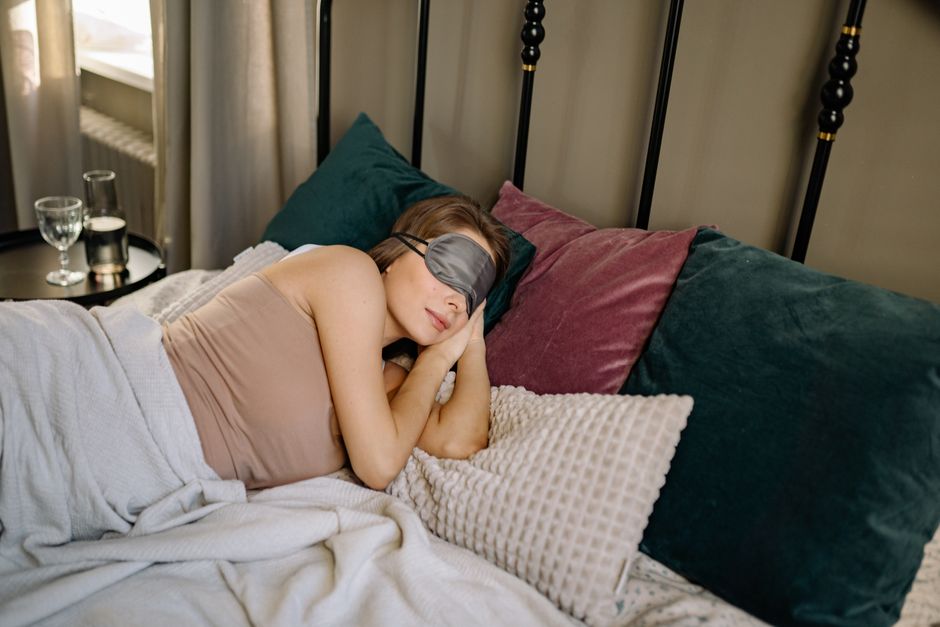
Waking up at night is normal. Staying awake is what causes trouble. Most healthy sleepers briefly surface between sleep cycles and never remember it. If you are reading this at 3 a.m., the more useful question is not why you woke up but why you could not fall back asleep. Sleep works in cycles of roughly 90 minutes, and brief arousals between them are part of normal architecture. The problem usually starts when something keeps you awake long enough for your brain to switch from “asleep” to “on duty.”
Why Do You Wake Up At Night In The First Place?
Brief awakenings are built into how sleep works. You cycle through lighter and deeper stages several times a night, and the transitions between cycles are periods when you are easiest to rouse. A noise, a full bladder, a shift in room temperature, or a partner rolling over can pull you to the surface.
What matters is duration. A five-second surfacing you do not remember is not a sleep problem. Lying awake for 30 minutes with your mind racing is. The difference usually comes down to what happens in the first minute or two after you wake.
There is a common misconception worth correcting here. People often assume that waking up means their sleep is broken. In most cases, the waking is normal and the staying awake is the actual issue. That distinction changes what helps.
Several things make nighttime waking more likely:
- Sleeping in a room that is too warm
- Drinking alcohol in the evening
- Large meals or a lot of fluid close to bedtime
- Untreated pain, reflux, or breathing problems
- Medications that affect sleep as a side effect
- Shift work or an irregular sleep schedule
- Stress that keeps your nervous system on alert
What Is Sleep Maintenance Insomnia?
Sleep maintenance insomnia is the clinical term for trouble staying asleep, as opposed to trouble falling asleep at the start of the night. The two often overlap, but they are not identical, and the distinction matters because the causes and the approaches can differ.
This pattern becomes more common with age. Older adults spend more time in lighter sleep stages and wake more often. That is a normal shift, not a disease. It becomes a problem when the waking leads to daytime fatigue, mood changes, or difficulty functioning.
Clinicians generally look at how often it happens and how much it affects your days. Occasional rough nights are not a diagnosis. A persistent pattern over weeks or months that interferes with daily life is worth discussing with a doctor.
One clarification that surprises people: the amount of sleep you need varies by person and changes across the lifespan. There is no single number that applies to everyone. If you feel rested and function well, your sleep is probably adequate even if you wake briefly.
How To Stay Asleep And Stop Waking Up At Night
The most effective approach targets what happens after you wake, not just the waking itself. Sleep pressure and your body clock both play a role, and small adjustments to each can make a difference over time.
Keep your wake-up time consistent
Going to bed at the same time matters less than getting up at the same time. A steady wake time helps anchor your internal clock, which in turn shapes when you feel sleepy at night. This is one of the more reliable levers you have.
Get out of bed if you are wide awake
Lying in bed frustrated teaches your brain to associate the bed with being awake. If you have been awake for what feels like a long stretch, getting up and doing something calm in dim light until you feel sleepy again can help. This is a core part of a well-established behavioral approach for insomnia.
Keep the room cool and dark
Core body temperature needs to drop for sleep to begin and be maintained. A warm room works against that. Most sleep guidance points to a cooler bedroom, though the exact temperature that feels right varies by person.
Watch what you drink in the evening
Alcohol is a common culprit. It can make you fall asleep faster, which is why people think it helps. But as the body processes it, sleep becomes lighter and fragmented, and you are more likely to wake in the second half of the night.
Limit fluids before bed
A full bladder is one of the most common reasons people wake. Cutting back on fluids in the hour or two before bed can reduce nighttime trips to the bathroom. If you are waking to urinate several times a night, that is worth mentioning to a doctor, since it can have medical causes.
Manage light and screens
Bright light in the evening can push your body clock later and make sleep harder to maintain. Dimming lights in the hours before bed and keeping the bedroom dark supports the natural rise in melatonin that helps you stay asleep.





What About Caffeine, Naps, And Exercise?
Caffeine is a real factor, and its effects last longer than many people realize. It can stay in your system for hours, so an afternoon coffee can still be active at bedtime. If you are waking at night, moving your last caffeine earlier in the day is a reasonable experiment.
Naps are a mixed picture. A short early-afternoon nap does not bother some people. Longer or later naps can reduce the sleep pressure you need to stay asleep at night. If nighttime waking is your main issue, keeping naps short and early is the safer bet.
Regular physical activity is associated with better sleep in general. The evidence is stronger for overall sleep quality than for any specific timing rule. Some people find vigorous exercise close to bedtime keeps them alert, while others are unaffected. This varies, so it is worth noticing your own pattern.
When Should You See A Doctor?
Nighttime waking is sometimes a symptom of a condition that needs treatment. Talk to a doctor if any of the following apply:
- You snore heavily or wake gasping or choking
- You feel excessively sleepy during the day despite time in bed
- You wake frequently to urinate
- You have ongoing pain, reflux, or shortness of breath at night
- You have symptoms of depression or anxiety
- The problem has lasted for weeks and affects your daily life
Loud snoring with gasping or choking can point to sleep apnea, a condition where breathing repeatedly stops and restarts during sleep. This is a medical issue, not a lifestyle one, and it is worth getting checked. Untreated sleep apnea has been linked to heart and metabolic problems.
Some medications, including certain antidepressants and blood pressure drugs, can affect sleep. Do not stop or change any medication on your own. Bring it up with your prescriber, who can tell you whether a timing or dosage change is appropriate.
What Does Not Work As Well As People Think?
Many over-the-counter sleep aids are antihistamines. They can make you drowsy, but they are not designed for long-term use, and tolerance can develop. They also do not address the underlying reason you are waking.
Melatonin is widely sold and generally considered low-risk for short-term use, but the evidence for it helping with sleep maintenance specifically is not strong. It is better supported for shifting your body clock, such as with jet lag, than for staying asleep through the night. Doses in supplements also vary widely and are not standardized, which makes consistent use harder.
Alcohol deserves a second mention. It is one of the most common self-treatments for sleep and one of the most reliable ways to fragment the second half of the night. The short-term drowsiness masks a longer-term cost.
If you are looking for a single change with the best support behind it, a consistent wake time plus getting out of bed when you cannot sleep tends to outperform most products. That combination is grounded in behavioral sleep research and is the direction most clinicians point people toward first.
Frequently Asked Questions
Is it normal to wake up multiple times at night?
Yes, brief awakenings between sleep cycles are normal and most people do not remember them. It only becomes a concern when you stay awake for long stretches or feel tired during the day.
Why do I wake up at 3 a.m. every night?
Waking in the early morning hours is common because sleep is lighter in the second half of the night. Alcohol, stress, blood sugar shifts, and a warm room can all make it more likely.
Does melatonin help you stay asleep?
The evidence for melatonin helping with sleep maintenance is not strong. It is better supported for shifting your body clock, such as with jet lag, than for staying asleep.
When should I see a doctor about waking up at night?
See a doctor if you snore heavily, wake gasping, feel very sleepy during the day, or have had the problem for weeks. These can point to conditions like sleep apnea that need treatment.
