
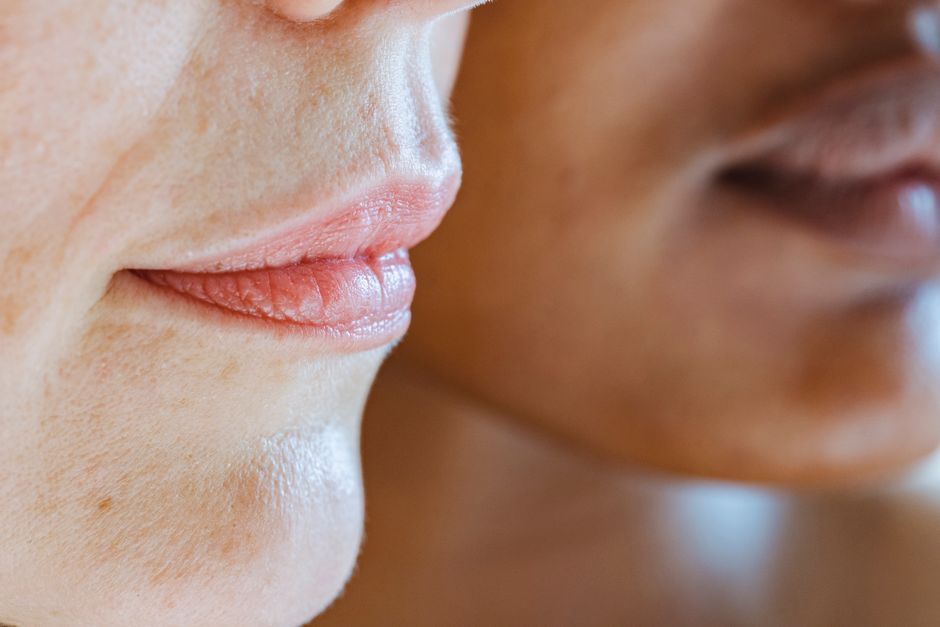
Angular cheilitis is the painful cracking and redness at the corners of your mouth. You can treat it effectively by identifying the root cause—usually a fungal or bacterial infection, or a nutritional deficiency—and using the right targeted cream or ointment. To stop it from returning, you must fix the underlying trigger, whether that is a vitamin deficiency, ill-fitting dentures, or chronic lip licking.
What Exactly Is Angular Cheilitis?
Angular cheilitis is inflammation of one or both corners of the mouth. The medical term is angular stomatitis or perlèche. It is not the same as cold sores, which are caused by the herpes simplex virus. Angular cheilitis is not contagious.
The skin at the corners of your mouth folds inward slightly. This creates a moist crease where saliva pools. When that area stays wet, the skin breaks down. Fungi and bacteria that normally live harmlessly on your skin can then overgrow in that damaged tissue. This is why the condition often affects both corners at the same time.
Symptoms include redness, dryness, cracking, scaling, and sometimes small sores. In more severe cases, the cracks can bleed or form crusts. Many people report pain when opening their mouth to eat, yawn, or speak.
What Causes Angular Cheilitis?
Several things can trigger angular cheilitis. Often more than one factor is involved. Understanding the cause is the only way to treat it properly and prevent recurrence.
Fungal infection is the most common cause. The yeast Candida albicans thrives in warm, moist environments. When saliva sits in the corner of the mouth, this yeast multiplies. This is especially common in people who wear dentures, because dentures can trap moisture and alter the normal balance of microorganisms in the mouth.
Bacterial infection can also be responsible. Staphylococcus aureus and Streptococcus species are the usual culprits. Sometimes both fungal and bacterial infections occur together. This is called a mixed infection, and it requires combination treatment.
Nutritional deficiencies are a frequent underlying cause. Low levels of iron, vitamin B2 (riboflavin), vitamin B3 (niacin), vitamin B6 (pyridoxine), vitamin B12, or folate can all contribute. These nutrients are essential for healthy skin and immune function. When they are low, the skin at the corners of the mouth becomes fragile and more susceptible to cracking.
Mechanical factors matter too. Dentures that do not fit well can change how your lips close. This leads to a deeper crease at the corners of the mouth where saliva accumulates. Loss of teeth, aging, or significant weight loss can also alter lip support and create the same problem.
Habitual lip licking is a common contributor. Saliva contains digestive enzymes that break down skin when left in contact too long. People who chronically lick their lips, especially in dry or cold weather, create the exact environment where angular cheilitis develops.
Other risk factors include diabetes, a weakened immune system, inflammatory bowel disease, and certain medications such as isotretinoin (Accutane). Dry mouth from medications or medical conditions also increases risk.
How To Treat Angular Cheilitis And Stop It Returning
Treatment depends on what is causing your angular cheilitis. The single most important step is to determine whether you are dealing with a fungal infection, a bacterial infection, or a deficiency. Using the wrong treatment will not help and may make things worse.
For fungal angular cheilitis, antifungal creams are the first-line treatment. Clotrimazole 1% cream and miconazole 2% cream are available over the counter. These are applied to the corners of the mouth two to three times daily. Improvement is usually seen within a few days, but the cream should be continued for at least one to two weeks after symptoms resolve to prevent recurrence.
For bacterial angular cheilitis, antibiotic ointments such as mupirocin or fusidic acid are used. These require a prescription. If the infection is mixed fungal and bacterial, a combination product like miconazole plus hydrocortisone cream may be prescribed. This treats both the fungus and the inflammation while also addressing bacterial overgrowth.
For deficiency-related angular cheilitis, correcting the nutritional gap is essential. A blood test can determine which nutrient is low. Iron deficiency is treated with iron supplementation. B-vitamin deficiencies are corrected with the specific vitamin that is low. A multivitamin may be appropriate if multiple deficiencies exist, but targeted supplementation is more efficient.
If you wear dentures, they must be treated as part of the infection. Yeast can live on denture surfaces. Dentures should be removed at night and cleaned thoroughly. Some clinicians recommend soaking dentures in an antifungal solution, but evidence for this specific practice is limited. Keeping dentures out of the mouth overnight reduces moisture and allows the skin to recover.
If your dentures no longer fit well, see your dentist. Relining or replacing dentures can eliminate the deep fold at the corners of the mouth that traps saliva. This is often the key to stopping recurrence in denture wearers.



Home Care That Helps During Treatment
Simple measures support healing while you use medication.
Keep the corners of your mouth clean and dry. After eating, gently wash the area with water and pat it dry with a clean towel. Do not rub. Moisture is the enemy here.
Apply a thin layer of petroleum jelly or a barrier ointment at night. This protects the skin from saliva while you sleep. Some dermatologists recommend using a barrier cream throughout the day as well, especially if you drool or have deep creases.
Stop licking your lips. This is hard because the dryness makes you want to lick. But saliva makes angular cheilitis worse. Use a non-irritating lip balm instead. Plain petroleum jelly is a good choice because it contains no flavorings or fragrances that can further irritate the skin.
Avoid spicy, salty, or acidic foods while the cracks are open. These foods sting and can slow healing. A soft diet for a few days may be more comfortable.
Do not pick at the crusts or peel the skin. This opens the wound further and increases the risk of spreading the infection.
When To See A Doctor
Many cases of angular cheilitis respond to over-the-counter antifungal cream within one to two weeks. If there is no improvement after two weeks of consistent treatment, see a healthcare provider.
See a doctor sooner if the cracks are deep, bleeding, or spreading beyond the corners of your mouth. See a doctor if you have a weakened immune system, diabetes, or if you are on chemotherapy or immunosuppressive medications. These situations require professional evaluation and possibly stronger prescription treatment.
A doctor can take a swab of the area to identify the exact organism causing the infection. This is called a culture. It is particularly useful when treatment has failed, because it distinguishes between fungal and bacterial causes and identifies resistant strains.
If nutritional deficiency is suspected, a blood test is appropriate. Iron studies, vitamin B12, and folate levels are commonly checked. In some cases, a doctor may recommend checking blood glucose to rule out diabetes, which can predispose people to recurrent infections.
Recurrent angular cheilitis that keeps coming back after proper treatment warrants a workup. Repeated episodes are not normal. There is usually an underlying reason that has not been addressed.
How To Prevent Angular Cheilitis From Returning
Prevention is about addressing the root cause rather than treating the flare-up.
If you had a deficiency, maintain adequate nutrition. Eat a balanced diet with sufficient iron and B vitamins. Good sources of iron include red meat, beans, and fortified cereals. B vitamins are found in whole grains, eggs, dairy, leafy greens, and lean meats. If dietary intake is consistently low, a daily multivitamin may be reasonable, but discuss this with your doctor first.
If you wear dentures, practice good denture hygiene. Remove them at night. Clean them daily with a denture brush and denture cleanser. Do not sleep in your dentures. Ill-fitting dentures should be adjusted by a dentist.
Manage chronic lip licking. This is often a habit that persists without awareness. Using a barrier balm consistently can break the cycle. In dry climates or winter months, use a humidifier in your bedroom to reduce skin dryness.
Check your blood sugar if you have risk factors for diabetes. Uncontrolled diabetes increases susceptibility to fungal infections. If you have diabetes, keeping blood sugar in a healthy range reduces the chance of recurrence.
Some research suggests that lip balms containing SPF may help prevent sun-related lip damage, but this is not specifically proven to prevent angular cheilitis. The evidence for recurrence prevention is strongest for treating the underlying cause, whether infectious, mechanical, or nutritional.
Common Mistakes That Make Angular Cheilitis Worse
One common mistake is treating angular cheilitis with hydrocortisone alone. Hydrocortisone reduces inflammation, which feels good initially. But if a fungal infection is present, steroid cream makes it worse. The fungus grows more aggressively without the immune response to keep it in check. This is why you should not use hydrocortisone cream on the corners of your mouth unless a doctor has confirmed it is appropriate for your specific case.
Another mistake is stopping treatment too early. The cracks heal on the surface quickly, but the infection underneath may still be active. Stopping antifungal cream as soon as symptoms improve often leads to a rebound flare within days. Continue the full course as directed.
Assuming it is a cold sore is also common. Cold sores are caused by herpes simplex virus and look similar in the early stages. However, cold sores typically start with a tingling or burning sensation and form small fluid-filled blisters. Angular cheilitis usually does not blister. Antiviral creams for cold sores do not work on angular cheilitis. If you are unsure which condition you have, ask a pharmacist or doctor.
Ignoring the dentures is another error. If you wear dentures and treat only the corners of your mouth, the yeast on the denture surface will reinfect the skin. Both the mouth corners and the dentures must be treated simultaneously.
Frequently Asked Questions
Is angular cheilitis contagious?
No, angular cheilitis is not contagious. It is an overgrowth of organisms that already live on your skin, not a new infection transmitted from another person.
Can toothpaste make angular cheilitis worse?
Some toothpastes contain sodium lauryl sulfate, which can irritate sensitive skin, but there is no strong evidence that toothpaste causes angular cheilitis. However, switching to a toothpaste without flavorings or SLS may reduce irritation if you have chronic flare-ups.
How long does angular cheilitis take to heal?
With the correct treatment, most cases improve within a few days and fully heal within one to two weeks. If there is no improvement after two weeks, the diagnosis or treatment approach needs to be reassessed.
Can angular cheilitis be a sign of something serious?
Occasionally, recurrent angular cheilitis signals an underlying condition such as diabetes, immune deficiency, or severe nutritional deficiency. If you have repeated episodes, a medical evaluation is warranted to rule out these causes.
