
Whole-body cryotherapy exposes you to extreme cold for a short time, usually 2-4 minutes. Your body responds by constricting blood vessels and reducing inflammation. To speed up healing after a session, you need to rehydrate, gently move your body, and eat foods that support recovery. The most effective steps are drinking plenty of water, eating a balanced meal within an hour, and doing light activity like walking. These actions help your body return to normal temperature and maximize the anti-inflammatory benefits of the treatment.
How does cryotherapy actually affect your body?
When you step into a cryotherapy chamber, your skin temperature drops rapidly. Your brain tells your blood vessels to narrow, a process called vasoconstriction. This reduces blood flow to your arms and legs and sends it toward your core to protect your organs.
After you step out, your body warms back up. Your blood vessels widen, which is called vasodilation. This rush of blood brings oxygen and nutrients to your tissues. It also helps flush out waste products like lactic acid that build up after exercise or injury.
This process is what reduces pain and swelling. But the cooling effect is temporary. Your body needs help to fully recover afterward.
How much water should you drink after cryotherapy?
Dehydration is one of the biggest mistakes people make after cryotherapy. The cold exposure makes your body work harder to maintain its core temperature. This uses up fluids faster than you might expect.
Drink at least 16-20 ounces of water within the first hour after your session. Then continue drinking water throughout the day. Your urine should be light yellow or clear. If it is dark, you are not drinking enough.
Electrolyte drinks can help if you were sweating heavily before the session. But plain water works well for most people. Avoid alcohol and too much caffeine for a few hours after treatment. Both can dehydrate you and slow down recovery.
What should you eat after cryotherapy for faster recovery?
Your body burns extra energy to warm itself back up after cold exposure. Eating the right foods helps replace that energy and supports the anti-inflammatory effects of the treatment.
A balanced meal with protein, healthy fats, and complex carbohydrates is ideal. Protein helps repair muscle tissue. Healthy fats support your cell membranes. Carbohydrates replenish your energy stores.
Good options include:
- Grilled chicken or fish with vegetables
- A smoothie with berries, spinach, and protein powder
- Oatmeal with nuts and fruit
- Eggs with avocado on whole grain toast
Some people report that eating anti-inflammatory foods like turmeric, ginger, and fatty fish enhances the effects of cryotherapy. The evidence for this is mixed. But these foods are healthy regardless, so eating them cannot hurt.





Should you exercise after cryotherapy?
Light movement after cryotherapy can help speed up healing. Walking, gentle stretching, or light yoga keeps blood flowing and helps your muscles warm up naturally.
Do not do intense exercise immediately after a session. Your muscles are still adjusting from the cold. Your coordination and reaction time may be slightly off for 10-15 minutes. Give your body time to fully warm up before any strenuous activity.
If you are using cryotherapy for recovery after a workout, the timing matters. Some research suggests that doing cryotherapy immediately after exercise may reduce muscle soreness. But it might also blunt some of the muscle-building signals your body needs. If building muscle is your goal, consider waiting a few hours after your workout before doing cryotherapy.
How To Speed Up Healing From Cryotherapy with temperature contrast
Some people use contrast therapy, which alternates between cold and heat. The idea is that this pumps blood through your tissues more aggressively. This can help clear waste products and deliver nutrients faster.
The typical approach is to end with heat, not cold. For example, you could do your cryotherapy session, wait 10-15 minutes, then take a warm shower or use a sauna for 10-15 minutes. Do not use extreme heat. A warm shower at 100-104°F is enough.
Contrast therapy is widely claimed to speed recovery, but strong evidence is limited. Some athletes report feeling better with it. If you try it, listen to your body. If it feels uncomfortable, stop.
What about compression and massage?
Compression garments or sleeves can help reduce swelling after cryotherapy. They apply gentle pressure to your limbs, which helps move fluid out of your tissues. This is especially helpful for your legs after a session.
Massage is another option. Light massage can improve blood flow and reduce muscle tension. But avoid deep tissue massage immediately after cryotherapy. Your muscles are still sensitive from the cold shock. Wait at least 2-3 hours before getting a deep massage.
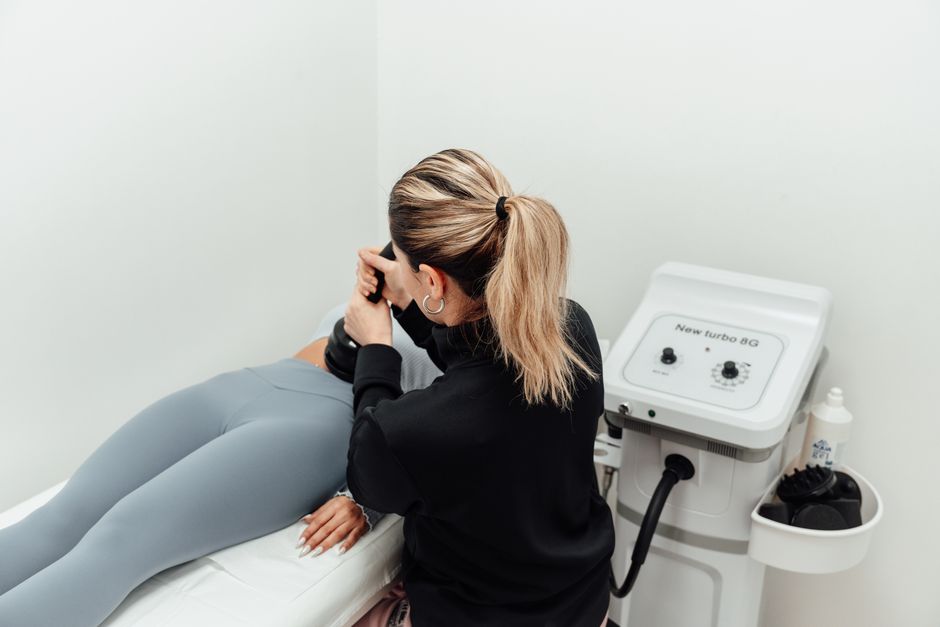
Some recovery centers offer pneumatic compression devices. These are sleeves that inflate and deflate to squeeze your limbs. Some people find them helpful, though the evidence is mixed on whether they add much beyond what compression garments do.
How long does it take to see results from cryotherapy?
Results vary from person to person. Some people feel less pain and stiffness within a few hours. Others notice improvement the next day. For chronic conditions like arthritis, it may take several sessions over a few weeks to see meaningful changes.
The benefits are temporary. Cryotherapy reduces inflammation for a period of time, but it does not cure the underlying condition. You will need ongoing sessions to maintain the effect. How often depends on your goals. Some athletes use it daily during intense training. Others use it once or twice a week for general recovery.
If you do not notice any improvement after 4-6 sessions, cryotherapy may not be the right approach for you. It works well for some people but not everyone.
What are the risks of cryotherapy?
Cryotherapy is generally safe for healthy adults when done correctly. But there are real risks. Frostbite can happen if you stay in too long or if the equipment malfunctions. This is rare in professional settings but possible.
Some people experience dizziness, nausea, or headaches during or after a session. This is usually from the cold shock or from holding their breath. Breathe normally and stay calm during the session. If you feel lightheaded, tell the technician immediately.
People with certain health conditions should not use cryotherapy. These include uncontrolled high blood pressure, heart disease, Raynaud’s disease, pregnancy, and severe anemia. If you have any medical condition, talk to your doctor before trying cryotherapy.
Does the frequency of sessions matter for healing?
More frequent sessions do not always mean faster healing. Your body needs time to respond to each treatment. Doing cryotherapy every day might not give your body enough time to fully recover between sessions.
For general recovery, 2-4 sessions per week is common. For acute injury or post-surgery recovery, your doctor or physical therapist may recommend a different schedule. Follow their guidance rather than doing extra sessions on your own.
Some people think that longer sessions produce better results. This is not true. The standard 2-4 minutes is based on safety research. Staying longer increases the risk of frostbite and does not provide additional benefit.
Frequently Asked Questions
How soon can I shower after cryotherapy?
You can shower immediately after your session. A warm shower helps your body return to its normal temperature gradually.
Can I do cryotherapy every day?
Some athletes do daily sessions during intense training, but most people benefit from 2-4 sessions per week. Your body needs time to respond to each treatment.
Does cryotherapy help with weight loss?
Some people report temporary calorie burning from the cold exposure, but there is no strong evidence that cryotherapy causes significant or lasting weight loss.
Is cryotherapy safe for older adults?
It can be safe for healthy older adults, but anyone over 65 should talk to their doctor first, especially if they have heart or circulation problems.
