
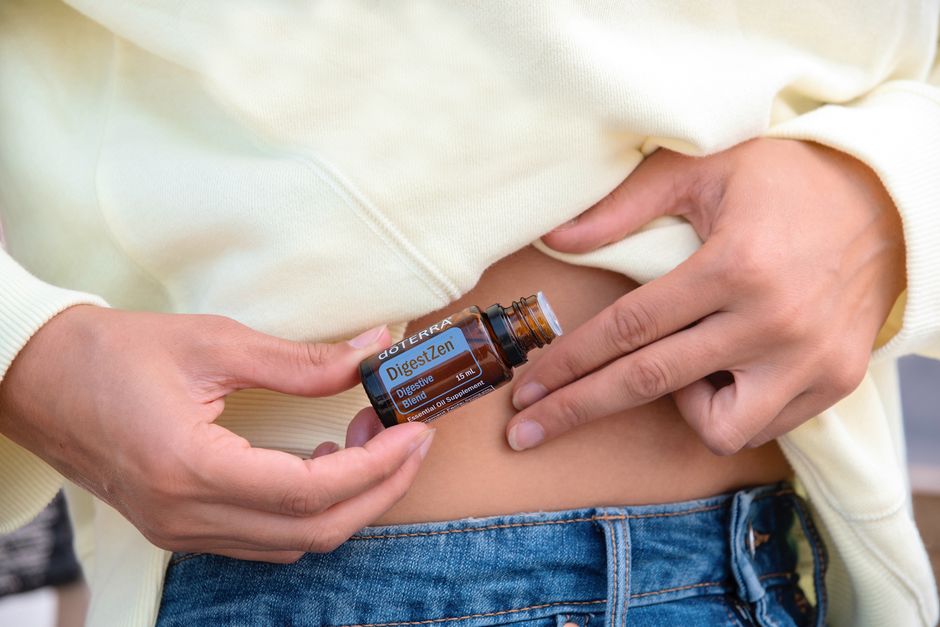
Stomach inflammation — what doctors call gastritis — is irritation of the stomach lining. It can cause burning pain, nausea, bloating, and a feeling of fullness after only a few bites. The most effective way to soothe it is to remove what is irritating the lining, support the stomach’s natural defenses, and treat the underlying cause with a doctor’s help when one is found.
What Is Stomach Inflammation and What Causes It?
The stomach lining is built to handle acid. It produces a thick layer of mucus that protects its own tissue from the acid it makes for digestion. Stomach inflammation happens when that protection breaks down or when the lining is exposed to something it cannot defend against.
The most common cause worldwide is infection with Helicobacter pylori, a bacterium that lives in the stomach and damages the protective mucus layer. In the United States, long-term use of nonsteroidal anti-inflammatory drugs (NSAIDs) like ibuprofen and naproxen is another leading cause. These drugs block enzymes that help maintain the stomach’s protective mucus, which is why they can irritate the lining even at normal doses.
Other causes include heavy alcohol use, bile reflux (when bile backs up from the small intestine into the stomach), and autoimmune conditions in which the body attacks its own stomach lining. Stress and spicy food do not cause gastritis, but they can make existing symptoms feel worse — a distinction worth keeping in mind.
How Do You Know If You Have Stomach Inflammation?
Symptoms alone cannot confirm gastritis. The only way to diagnose it definitively is through an endoscopy, where a doctor examines the stomach lining directly and can take a tissue sample if needed.
That said, certain symptoms are common and worth paying attention to:
- A burning or gnawing pain in the upper abdomen, often worse between meals or at night
- Nausea or a feeling of being overly full after eating
- Bloating and belching
- Loss of appetite
- Dark or tarry stools, or vomit that looks like coffee grounds — these are signs of bleeding and require immediate medical attention
Many people with gastritis have no symptoms at all. Others have discomfort that comes and goes for weeks or months. If symptoms last more than a week or keep returning, it is worth seeing a doctor rather than trying to manage it alone.
What Foods Help Soothe Stomach Inflammation?
No single food heals gastritis. Diet can reduce irritation and support comfort, but it does not replace treatment for an underlying cause like H. pylori infection. The goal is to eat in a way that does not add insult to an already irritated lining.
Foods that tend to be well tolerated include:
- Oatmeal and other bland, low-fiber grains
- Bananas, applesauce, and cooked vegetables
- Lean proteins like chicken and fish, prepared without heavy seasoning
- Low-fat dairy or plant-based alternatives
- Ginger tea, which some studies suggest may help with nausea and gastric emptying
Certain foods are more likely to trigger symptoms in people with gastritis. These include spicy dishes, citrus, tomato products, fried and fatty foods, and high-fat dairy. Coffee and carbonated drinks can also worsen discomfort for some people.
An important point: the evidence on specific foods is based largely on individual tolerance rather than controlled trials. What bothers one person may not bother another. Keeping a simple food diary for a few weeks can help identify your own triggers more reliably than any general list.





What Lifestyle Changes Actually Help?
Several lifestyle factors have a direct effect on stomach irritation. Addressing them can make a meaningful difference, especially alongside medical treatment.
Stop NSAIDs if possible. If you regularly take ibuprofen, naproxen, or aspirin, talk to your doctor about alternatives. Acetaminophen does not irritate the stomach lining the way NSAIDs do, but it has its own risks and is not appropriate for everyone. Never stop a prescribed medication without discussing it with your doctor first.
Limit alcohol. Alcohol directly damages the stomach’s mucus barrier. Reducing or eliminating it gives the lining a chance to recover.
Quit smoking. Smoking slows healing in the stomach lining and increases the risk of ulcers. The connection between smoking and delayed gastric healing is well established.
Manage stress. Stress does not cause gastritis, but it can amplify pain perception and make symptoms feel worse. Techniques like deep breathing, regular physical activity, and adequate sleep can help with symptom management, though they do not treat the inflammation itself.
Eat smaller meals more often. Large meals stretch the stomach and stimulate more acid production. Smaller, more frequent meals may reduce discomfort for some people.
When Should You See a Doctor?
See a doctor if symptoms last longer than a week, if they interfere with eating or sleeping, or if you have any sign of bleeding. Bleeding signs include black tarry stools, vomiting blood or material that looks like coffee grounds, and unexplained fatigue or shortness of breath from anemia.
You should also see a doctor if you have unintentional weight loss, difficulty swallowing, or persistent vomiting. These can point to complications that need prompt evaluation.
If you have been diagnosed with gastritis before and symptoms return, that is also a reason to check in. Recurrence can mean the original cause was not fully treated or that a new irritant has entered the picture.
How Is Stomach Inflammation Treated?
Treatment depends entirely on the cause. There is no single approach that works for everyone, and this is where self-management has clear limits.
If H. pylori is found, standard treatment involves a combination of antibiotics and acid-suppressing medication. This is a well-established approach, and completing the full course is important because incomplete treatment can lead to recurrence and antibiotic resistance.
If NSAIDs are the cause, stopping them is usually the first step. Doctors may also prescribe a proton pump inhibitor (PPI) or an H2 blocker to reduce acid and give the lining time to heal. These medications are effective for acid reduction, though long-term use carries considerations that should be discussed with a doctor.
For autoimmune gastritis, treatment focuses on managing symptoms and monitoring for nutritional deficiencies, particularly vitamin B12, which can become a problem when the stomach lining cannot produce enough intrinsic factor for absorption.
Some clinicians recommend sucralfate, a medication that coats the stomach lining, for certain types of gastritis. The evidence for it is stronger in some situations than others, and it is not a first-line treatment for all cases.
What About Probiotics and Supplements?
The evidence here is limited and mixed. Some studies suggest certain probiotic strains may help reduce H. pylori levels or ease antibiotic side effects during treatment, but results vary widely across studies and strains.
No probiotic has been shown to cure gastritis on its own. If you are considering one, it is worth discussing with your doctor, especially if you are taking antibiotics or other medications.
Other supplements marketed for stomach health — including licorice root, marshmallow root, and zinc carnosine — have some preliminary research behind them, but no large human trials have confirmed they treat gastritis effectively. The evidence is not strong enough to recommend them as standalone treatments.
Frequently Asked Questions
How long does stomach inflammation take to heal?
With treatment of the underlying cause and removal of irritants, symptoms often improve within a few days to a few weeks. Full healing of the stomach lining can take longer, sometimes several weeks to a few months, depending on the cause and how long it was present.
Can I soothe stomach inflammation without medication?
Mild cases may improve with dietary changes, avoiding NSAIDs and alcohol, and stress management. If an infection or another medical cause is behind it, medication is usually necessary, so see a doctor if symptoms persist beyond a week.
Is yogurt good for stomach inflammation?
Yogurt with live cultures may help some people, particularly during antibiotic treatment for H. pylori. There is no strong evidence that yogurt alone heals gastritis, and high-fat or sugary varieties may worsen symptoms for some.
Does drinking milk soothe stomach inflammation?
Milk can temporarily feel soothing because it buffers acid, but it also stimulates more acid production afterward, which may worsen symptoms. It is not a treatment for gastritis.
