
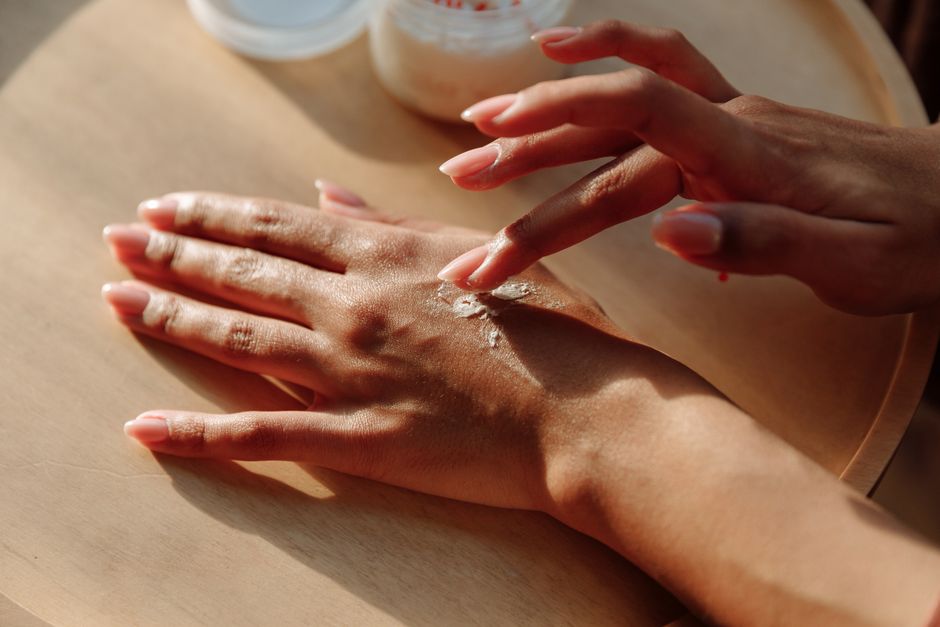
A scab is a natural bandage your body builds to protect new skin underneath. To soften a scab safely, keep it moist with plain petroleum jelly or a fragrance-free ointment, wash gently with mild soap and water, and resist the urge to pick or peel it. Moisture helps the scab stay flexible and lifts it away gradually as the skin beneath finishes healing. Dry, cracked scabs heal slower and are more likely to scar or get infected.
What Is a Scab and Why Does Your Body Make One?
A scab forms when blood clots at the surface of a wound. Platelets and clotting proteins create a plug, then the clot dries into the crust you see and feel.
That crust is doing real work. It blocks bacteria, holds the wound edges together, and gives new skin cells a surface to grow under. Beneath the scab, cells called keratinocytes and fibroblasts are rebuilding tissue. The scab is scaffolding, not the finished product.
This is why peeling a scab backfires. You strip away the protective layer and expose fragile new skin that has not finished forming. The wound can reopen, bleed again, and restart the healing clock. It also raises the risk of infection and scarring.
How Do You Soften a Scab Safely? The Core Method
Moisture is the tool. A scab that stays slightly hydrated stays flexible and comes away on its own when the skin underneath is ready.
The most reliable approach is simple:
- Wash the area once or twice a day with mild soap and lukewarm water. Pat dry with a clean cloth — do not rub.
- Apply a thin layer of plain petroleum jelly (such as Vaseline) or a fragrance-free, plain ointment.
- Cover larger or exposed wounds with a bandage or non-stick dressing to hold in moisture and keep dirt out.
- Leave small scabs open if they are not in a spot that rubs against clothing.
Petroleum jelly is a well-established choice for wound care. It keeps the surface moist without adding ingredients that can irritate healing skin. Avoid ointments with fragrance, alcohol, or “healing” additives unless a clinician recommends them — those extras can sting or slow healing.
Keep the scab from drying out completely. A little softness is the goal, not a wet, soggy wound. If the skin around the wound becomes pale, wrinkled, or overly wet, you have gone too far — let it air out for a while.
What Should You Not Put on a Scab?
Several common home remedies do more harm than good, and some are backed by tradition rather than evidence.
Hydrogen peroxide and rubbing alcohol are the classic examples. They kill bacteria, but they also damage the healthy new cells trying to close the wound. Most wound care guidance now advises against using them on healing skin. The fizzing you see with peroxide is it reacting with tissue, not proof it is helping.
Other things to skip:
- Picking, scratching, or peeling — the single biggest cause of scarring.
- Hot water or harsh scrubbing, which can reopen the wound.
- Fragranced lotions, which can irritate broken skin.
- Butter, oil, or toothpaste — no evidence supports these, and they can trap bacteria.
A mild soap and water wash is enough for most minor wounds. You do not need to sterilize a scab.



How Long Does a Scab Take to Heal and Fall Off?
Healing timelines vary widely depending on the wound’s size, depth, and location. A small scratch may scab and flake off within about a week. Larger or deeper wounds can take several weeks.
Scabs on joints that bend a lot — knees, elbows, knuckles — tend to crack and take longer because movement pulls at the crust. Scabs in moist areas heal differently and may not form a hard crust at all.
Do not judge healing by the scab alone. Watch the skin underneath and around it. Signs that healing is on track include steady shrinking of the scab and less redness at the edges over time.
When Should You Be Concerned About a Scab?
Most scabs heal without problems. Some wounds need medical attention, and it is worth knowing the signs.
Seek care if you notice:
- Increasing redness, warmth, swelling, or pain around the wound.
- Pus or cloudy fluid draining from the wound.
- A red streak spreading from the wound.
- Fever.
- A wound that is not improving after several days, or is getting worse.
Also get care for deep or gaping wounds, bites, wounds with embedded dirt or debris, and any wound on a person with diabetes or a weakened immune system. These carry higher infection risk and may need professional cleaning or antibiotics.
Some people scar more easily, including those with darker skin tones. Keloids and raised scars are more common in these groups. Keeping a wound moist and avoiding picking reduces — but does not eliminate — scarring risk.
Does Picking a Scab Really Cause a Scar?
Picking raises the odds of scarring, though it does not guarantee one. The reason is mechanical: peeling a scab tears away the fragile new tissue beneath it and can deepen or widen the wound.
Each time a wound reopens, the body lays down more collagen to repair it. Excess collagen and repeated injury are linked to thicker, more visible scars. Picking also introduces bacteria from your fingers and nails, raising infection risk.
If you cannot leave a scab alone, cover it with a bandage. Out of sight often means out of mind, and the barrier protects the healing skin.
Can You Speed Up Healing?
You cannot rush the biology of tissue repair, but you can avoid slowing it down. Good nutrition, adequate sleep, and not smoking all support wound healing. Smoking narrows blood vessels and reduces oxygen delivery to healing tissue.
Keep the wound clean and moist, protect it from sun once it has closed (new skin scars more easily with sun exposure), and give it time. There is no cream or supplement proven to dramatically speed up scab healing in otherwise healthy people. Products that claim to do so are usually marketing, not evidence.
If a wound seems to be healing unusually slowly, that is worth a conversation with a clinician. Slow healing can sometimes point to an underlying issue such as poor circulation or high blood sugar.
Frequently Asked Questions
Should I keep a scab moist or let it dry out?
Keep it moist with a thin layer of plain petroleum jelly or a fragrance-free ointment. A slightly moist scab stays flexible and heals better than a dry, cracked one.
Is it bad to pick a scab?
Yes — picking can reopen the wound, raise infection risk, and increase scarring. Cover it with a bandage if you struggle to leave it alone.
How can I soften a scab fast?
Apply petroleum jelly after a gentle wash and cover it with a bandage to hold in moisture. There is no safe way to speed this up beyond steady moisture — do not soak or scrub it.
When should I see a doctor about a scab?
See a clinician if you notice spreading redness, warmth, pus, a red streak, fever, or a wound that is not improving. Deep wounds, bites, and wounds in people with diabetes also warrant medical care.
