
Most fluorescent bulbs contain a small amount of mercury, and that changes how you should handle one when it burns out or breaks. The safe approach is simple: do not put mercury bulbs in regular trash or recycling, seal them in a container if they break, and take intact bulbs to a retailer or local facility that accepts household hazardous waste. A single bulb holds only a few milligrams of mercury, so one broken bulb in a home is not a medical emergency — but how you clean it up matters.
Which Light Bulbs Actually Contain Mercury?
Fluorescent bulbs are the main concern. That includes the long tube lights in garages and kitchens, the spiral and U-shaped compact fluorescent lamps (CFLs), and the older circular or specialty fluorescents. High-intensity discharge lamps — mercury vapor, metal halide, and some sodium lamps used in outdoor and industrial lighting — also contain mercury.
Here is the part many people get wrong. Standard incandescent bulbs and halogen bulbs do not contain mercury. Neither do light-emitting diodes (LEDs), including the LED bulbs sold as direct replacements for CFLs. If you are holding a bulb and trying to decide, check the base or the packaging. Bulbs that contain mercury carry a small “Hg” symbol or a warning about mercury content. When in doubt, treat a bulb as if it contains mercury until you confirm otherwise.
CFLs became common because they use far less electricity than incandescent bulbs for the same amount of light. That efficiency is real. The trade-off is the mercury sealed inside the glass. The amount is small — on the order of a few milligrams per bulb — but it is enough that regulators treat these bulbs as a separate waste stream.
Why You Should Not Just Throw Mercury Bulbs in the Trash
Mercury is a neurotoxin, and the concern is cumulative exposure across a population, not one bulb in one garbage can. When fluorescent bulbs are crushed in a garbage truck or at a landfill, the mercury they contain can be released into the air or leach into soil and water over time.
The amounts from household bulbs are tiny compared to industrial sources. That is why the risk from a single bulb is low. But multiply one bulb by millions of homes, and the total adds up. This is the reasoning behind the disposal rules, not a claim that your kitchen trash is dangerous.
There is a second reason. Mercury does not break down. Once it enters the environment, it can be converted by bacteria into methylmercury, which builds up in fish and moves up the food chain. That is the pathway public health agencies actually worry about, and it is why keeping mercury out of landfills and incinerators matters even when the per-bulb amount is small.
How To Dispose Of Mercury Light Bulbs Safely
The safe method depends on whether the bulb is intact. An intact bulb is easy to manage. A broken bulb needs more care because mercury vapor and contaminated dust are the concern.
If the bulb is intact
- Do not put it in curbside trash or single-stream recycling. Most curbside programs do not accept them.
- Put it in a container or bag so it cannot break during transport, or keep it in its original packaging.
- Take it to a retailer that accepts CFLs — many hardware and home improvement stores have drop-off bins — or to a household hazardous waste collection site or event in your area.
- Store bulbs upright and away from areas where they might get knocked over while you wait to drop them off.
To find a drop-off near you, search for “household hazardous waste” plus your city or county. Many states and municipalities run periodic collection events or permanent facilities. Retailer take-back programs vary by store and location, so it is worth a quick call or a look at the store’s website before you drive over.
If the bulb breaks
This is where the details matter. The goal is to avoid breathing mercury vapor and to avoid spreading contaminated dust around your home.
- Get people and pets out of the room. Open a window and leave the room for a short time so any vapor can disperse.
- Turn off central heating or air conditioning so the system does not circulate air from the room to the rest of the house.
- Do not vacuum. A standard vacuum can spread mercury-containing dust and vapor into the air.
- Wear disposable gloves. Pick up large pieces with stiff paper or cardboard.
- Use sticky tape to lift up small fragments and any visible powder.
- Wipe the area with a damp paper towel, then place everything — gloves, tape, paper towel, and bulb pieces — into a glass jar with a lid or a sealed plastic bag.
- Take the sealed container to a household hazardous waste site. If none is available, check with local waste authorities about the correct option for your area.
A few points that often get missed. Never use a broom, because it can scatter fragments and dust. Keep the room ventilated for a while afterward. Wash your hands after cleanup even if you wore gloves. If a bulb breaks on a rug or carpet, cleanup is harder because fragments and powder can lodge in the fibers — some guidance suggests cutting out and discarding the affected section, but check current local or state instructions for specifics, since recommendations on carpet vary.
This is also a good moment to mention what not to do: do not use a vacuum, do not wash contaminated items in your regular laundry, and do not put broken bulb pieces down a drain or in an open trash can indoors.





How Much Mercury Are We Talking About?
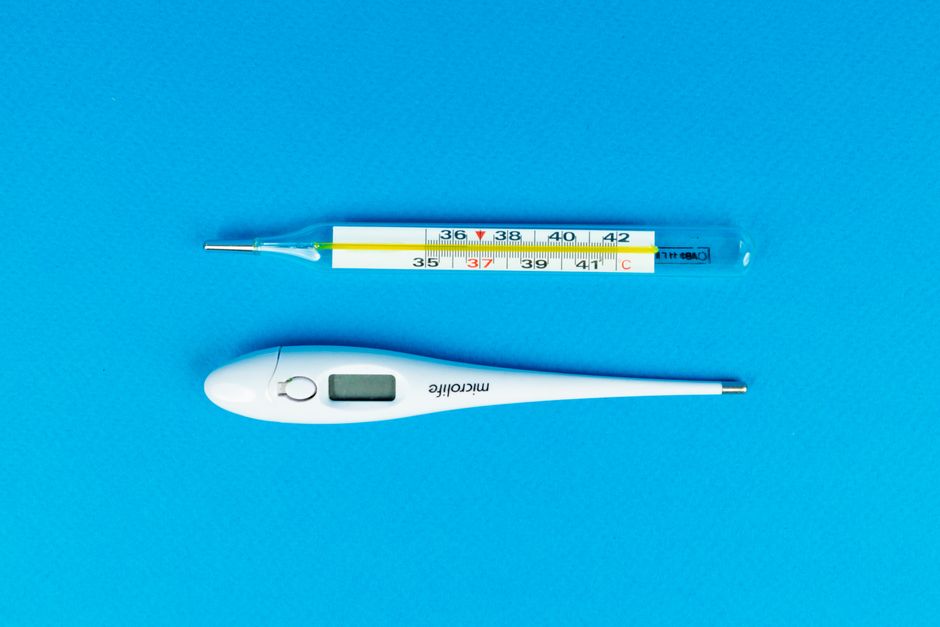
This is a fair question, and the honest answer is that the amount is small but not zero. A typical compact fluorescent bulb contains roughly a few milligrams of mercury. For comparison, older mercury thermometers contained far more.
The health risk from one broken bulb in a home is generally considered low, especially with ventilation and proper cleanup. The greater concern is repeated or occupational exposure — for example, someone who handles and breaks many bulbs regularly. If you break bulbs often, or if the break happens in a small, poorly ventilated space, that is a different situation than one bulb in a large, aired-out room.
If you have questions about exposure in your specific situation — especially if someone in the home is pregnant, an infant, or has a health condition — that is a conversation to have with a healthcare provider or a poison control center, not something to self-assess from a general article.
Are LED Bulbs a Better Choice?
From a disposal standpoint, yes. LEDs do not contain mercury, so a burned-out LED can go in normal trash in most places. That removes the disposal problem entirely.
LEDs also use less energy than incandescent bulbs and last longer. If you are replacing bulbs anyway and mercury disposal is a concern for you, switching to LEDs is a reasonable way to avoid the issue. That said, this is a disposal and convenience point, not a claim that switching bulbs will change your health. The mercury in a household fluorescent bulb is not a meaningful personal exposure risk during normal use — the concern is what happens at end of life.
Common Mistakes People Make
A few habits cause most of the problems.
- Vacuuming a broken bulb. This is the most common mistake and the one most likely to spread contamination.
- Putting bulbs in the recycling bin. Glass recycling facilities are not set up for mercury bulbs, and a broken bulb can contaminate a batch of recyclables.
- Assuming all “long-life” or spiral bulbs are safe to toss. If it is fluorescent, it likely contains mercury regardless of shape.
- Ignoring the broken-bulb cleanup steps. Treating a break like ordinary glass cleanup misses the vapor and dust concern.
None of these are catastrophic for a single bulb. But they are easy to avoid once you know them, and they matter more if you handle bulbs often.
Frequently Asked Questions
Can I put fluorescent light bulbs in the regular trash?
No. Fluorescent bulbs contain mercury and should go to a retailer take-back program or a household hazardous waste facility instead of curbside trash. Some areas have specific rules, so check with your local waste authority.
What should I do if a CFL breaks in my house?
Clear people and pets from the room, open a window, and avoid vacuuming or sweeping. Pick up pieces with stiff paper and tape, seal everything in a glass jar or plastic bag, and take it to a hazardous waste site.
Do LED bulbs contain mercury?
No. LEDs do not contain mercury, so they can typically be disposed of in normal trash. This is one reason many people switch to LEDs as their fluorescent bulbs burn out.
Is one broken bulb dangerous to my health?
The risk from a single broken bulb in a ventilated home is generally considered low. Repeated exposure or a break in a small, poorly ventilated space is a greater concern, and questions about your specific situation are best directed to a healthcare provider or poison control.
