
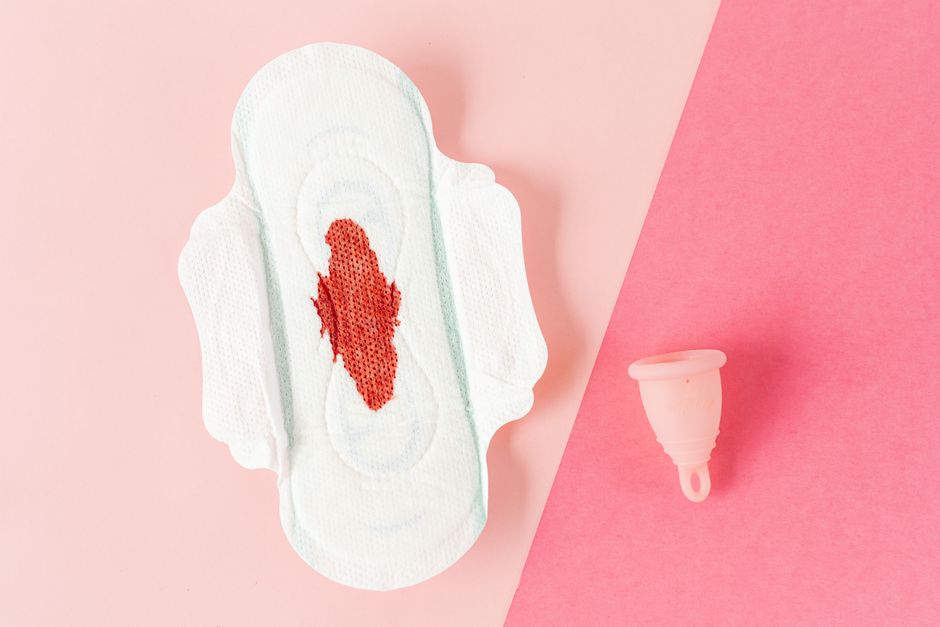
There is no safe way to stop a period that is already happening, and no method that stops periods permanently without a medical reason and a doctor’s supervision. The safe options that exist are hormonal treatments that prevent or delay bleeding — birth control pills taken continuously, hormonal IUDs, the implant, the shot, and prescription medications used for specific conditions like heavy bleeding or endometriosis. Each one has real tradeoffs, and none of them should be started without talking to a clinician.
That answer disappoints people searching for a quick fix. It shouldn’t. Period suppression is a legitimate medical option with decades of clinical use. The question is not whether it can be done — it is which method fits your body, your health history, and your reason for wanting to skip bleeding.
Can You Actually Stop a Period From Coming?
Yes, but only by changing your hormones before the bleeding starts.
Menstruation happens because estrogen and progesterone levels fall at the end of a cycle. That drop signals the uterine lining to shed. If you keep hormone levels steady — either by taking them continuously or by using a device that releases them — the lining does not get the signal to break down. No drop, no bleed.
This is not a loophole or a trick. It is how hormonal contraception was designed to work. The seven-day placebo week built into most pill packs was added in the 1960s for cultural and marketing reasons, not medical ones. The bleeding that happens during that week is not a true period. It is withdrawal bleeding — a reaction to the hormone drop, not a natural cycle.
What you cannot do is stop a period that has already begun. Once the lining starts shedding, no pill, tea, supplement, or food will reverse it. Any product claiming otherwise is selling you something that does not work.
What Are the Safe Medical Options?
Several prescription methods can reduce or eliminate bleeding. They differ in how they are used, how well they suppress bleeding, and what side effects they carry.
- Continuous birth control pills. Taking active pills every day without the placebo week skips withdrawal bleeding. This is a standard, well-documented practice. Breakthrough spotting is common in the first few months and often settles.
- Hormonal IUD. Releases levonorgestrel directly into the uterus. Many users see bleeding become lighter over the first year, and a substantial number stop having periods entirely after the first year of use. This is one of the most effective options for reducing menstrual bleeding.
- Contraceptive implant. A small rod placed in the upper arm. It often reduces bleeding, though irregular spotting is a common side effect. Some users stop bleeding; others bleed more unpredictably.
- Depot medroxyprogesterone shot. Given every three months. A large share of users stop having periods after the first year. The tradeoff is that bleeding can be unpredictable at first, and the shot is not quickly reversible if side effects occur.
- Prescription medications for specific conditions. Tranexamic acid and certain hormonal therapies are used for heavy menstrual bleeding. Gonadotropin-releasing hormone (GnRH) agonists can stop periods but are generally reserved for conditions like endometriosis or fibroids and are not used long-term without add-back therapy.
Each option has contraindications. A clinician needs to know your blood pressure, smoking status, migraine history, clotting risk, and other medications before recommending one.
How To Stop Your Period From Coming Safely
The safe path is a conversation with a clinician, not a decision made alone.
If you want to skip an upcoming period, the timing matters. For combined birth control pills, you generally need to start the next pack immediately instead of taking the placebo week. This works best when planned in advance. If you are already in the placebo week, it is usually too late to prevent that bleed.
For people already on a hormonal method, your clinician can advise whether continuous use is appropriate for you. Some methods, like the hormonal IUD, work on their own timeline and cannot be adjusted to skip a specific week.
What makes a method safe comes down to three things: your personal risk factors, the reason you want to suppress bleeding, and whether you are monitored by a clinician who knows your history. Combined hormonal methods carry a small but real risk of blood clots, and that risk is higher in people who smoke and are over 35, or who have certain migraine types. These are not reasons to avoid the conversation. They are reasons to have it with someone qualified.





What About Natural Methods and Supplements?
No supplement, herb, or dietary change has been shown in clinical trials to stop a period from coming.
Some products marketed for menstrual suppression contain ingredients like chasteberry, black cohosh, or high-dose vitamin C. None of these have evidence supporting their use for stopping a period. Vitamin C in large doses is sometimes promoted online as a way to induce bleeding, not stop it, and the practice carries a risk of digestive upset and, in rare cases, kidney problems. There is no reliable evidence it works.
Stress, extreme exercise, and low body weight can cause periods to stop — this is called hypothalamic amenorrhea. That is not a method. It is a sign that something in the body is under strain, and it can affect bone health and fertility. Treating it as a goal is a mistake.
If a product promises to stop your period without a prescription, the honest position is that no clinical evidence supports that claim.
Is It Safe to Skip Your Period Every Month?
For most people using hormonal birth control, continuous use is considered safe and is a recognized clinical practice.
The American College of Obstetricians and Gynecologists has stated that there is no medical need for a monthly bleed in people using hormonal contraception. Extended and continuous regimens are used routinely. Research has not found harm from skipping withdrawal bleeds in healthy users of combined hormonal methods.
That said, “most people” is not “everyone.” Safety depends on your individual risk profile. People with a history of blood clots, certain cardiovascular conditions, or specific migraine patterns may be advised against combined hormonal methods entirely, continuous or not. Progestin-only methods have a different risk profile and are often an option when combined methods are not.
One non-obvious point: breakthrough bleeding during the first few months of continuous use is not a sign the method is failing. It is a common adjustment response as the uterine lining thins. It usually decreases over time, though not always.
When Should You Talk to a Doctor First?
Before starting any method to suppress periods, and especially if any of the following apply:
- You have a history of blood clots, stroke, or heart disease.
- You smoke and are over 35.
- You get migraines with aura.
- You have liver disease or certain cancers.
- You are pregnant or might be.
- You have unexplained vaginal bleeding.
- You take medications that interact with hormonal birth control.
These are not absolute barriers to every method. They are reasons to have a clinician evaluate which option, if any, is appropriate for you. Progestin-only methods, for example, are often used when combined methods are not recommended.
If you want to stop your period for a specific event — a trip, a wedding, a competition — mention that. Clinicians help patients plan around events regularly, and the approach is different from long-term suppression.
What Are the Risks of Period Suppression?
The risks depend entirely on the method.
Combined hormonal methods carry a small increased risk of blood clots compared with no hormonal method. This risk is well documented and is higher in people with the risk factors listed above. Progestin-only methods do not carry the same clot risk.
Common side effects across methods include spotting, breast tenderness, mood changes, and headaches. These often improve after the first few months, though not for everyone.
Fertility is not permanently affected by hormonal birth control. Once you stop, your cycle typically returns, though the timing varies by method. The shot is known for a longer delay — return of fertility can take several months after the last dose.
Bone density is a consideration with the shot, particularly with long-term use, and this is something clinicians monitor. It is one reason the shot is not always the first choice for teenagers or people with existing bone concerns.
What is not a risk: skipping periods does not cause a buildup of “old blood.” That claim circulates online and is not accurate. With hormonal suppression, the uterine lining stays thin rather than accumulating.
Frequently Asked Questions
Can I stop my period from coming tomorrow?
No method can stop a period that has already started or is about to start. Hormonal suppression has to be planned in advance, usually by adjusting your birth control schedule with a clinician’s guidance.
Is it safe to skip my period every month with birth control?
For most healthy people using hormonal contraception, continuous use without a placebo week is considered safe and is a recognized clinical practice. Safety depends on your individual risk factors, which a clinician should review.
Do natural remedies stop a period?
No supplement, herb, or dietary change has been shown in clinical trials to stop a period from coming. Products making this claim are not supported by evidence.
Will skipping periods affect my fertility later?
Hormonal birth control does not permanently affect fertility. After stopping, your cycle typically returns, though the contraceptive shot can delay return of fertility by several months.
