

Getting quality sleep is one of the most important steps you can take when trying to conceive. Aim for 7 to 9 hours each night, keep a consistent bedtime, lower light exposure before bed, and manage daily stress. These habits help keep your hormones balanced and support regular ovulation.
How Does Sleep Affect Fertility?
Sleep and fertility are closely linked through your body’s internal clock, called the circadian rhythm. This rhythm controls the release of key reproductive hormones like follicle-stimulating hormone (FSH), luteinizing hormone (LH), and progesterone. When your sleep is disrupted, that rhythm can drift and throw off hormone timing.
Melatonin, the hormone that helps you fall asleep, also plays a role in egg health. Some studies suggest that adequate melatonin levels may protect eggs from oxidative damage. On the flip side, poor sleep can raise cortisol, the stress hormone, which can suppress the hormones needed for ovulation.
Research consistently shows that women with irregular sleep patterns are more likely to have longer or irregular menstrual cycles. That makes it harder to predict ovulation and time conception. For men, sleep deprivation has been linked to lower sperm count and quality.
What Are the Best Sleep Habits for Conception?
Building a few simple habits can make a real difference. Start with a consistent sleep-wake schedule, even on weekends. Going to bed and waking up at the same time reinforces your circadian rhythm.
Keep your bedroom cool, dark, and quiet. Blackout curtains and a white noise machine can help. Avoid caffeine after 2 p.m., and limit alcohol, especially in the evening, because both can fragment sleep. Create a relaxing wind-down routine: read, take a warm bath, or do gentle stretching for 20 minutes before lights out.
Screen time matters. Blue light from phones and laptops suppresses melatonin production. Try turning off electronics at least an hour before bed. If you must use a device, switch on a blue-light filter.
How To Sleep Better When Trying to Conceive?
When you are actively trying to conceive, the pressure can make sleep harder. Worrying about timing, test results, or the future can keep your mind racing at night. That anxiety is normal, but it can be managed.
Try a brief journaling session before bed. Write down any worries or to-do items so your brain doesn’t need to rehearse them. Consider a simple breathing exercise: inhale for 4 counts, hold for 4, exhale for 4. This activates your parasympathetic nervous system and helps lower heart rate.
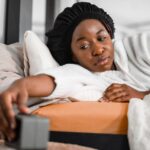
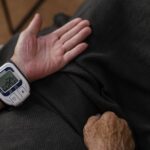
Temperature also matters. Keep your room around 65 to 68°F (18–20°C). Avoid heavy blankets or electric blankets on high, as overheating can disrupt sleep and may have modest effects on conception. If you track your basal body temperature, take it first thing upon waking before getting out of bed. Leave the thermometer on your nightstand so you don’t have to move much.
If you need to get up for a midnight bathroom trip, use dim nightlights instead of overhead lights. Bright light at night signals your brain that it is morning and can delay falling back asleep.



Can Stress and Anxiety Really Hurt Your Chances?
Yes, but not in a dramatic way for most people. Chronic stress raises cortisol, which can interfere with the hormones that control ovulation and sperm production. This can lengthen the time it takes to conceive, but it rarely prevents pregnancy completely.
The evidence is strongest for women with diagnosed anxiety or depression. In those cases, treating the mental health condition—whether with therapy, medication, or lifestyle changes—can improve both sleep and fertility outcomes. For mild daily stress, good sleep hygiene and relaxation techniques are enough for most people.
Cognitive behavioral therapy for insomnia (CBT-I) is an effective non‑medication approach. It addresses the anxious thoughts and habits that keep you awake. Some fertility clinics offer CBT-I or can refer you to a specialist.
Should You Nap or Change Sleep Positions?
Short naps—20 to 30 minutes—can be helpful if you are sleep deprived. Longer naps can make it harder to fall asleep at night. If you nap, do it before 3 p.m.
There is no strong evidence linking specific sleep positions to conception. But once you are pregnant, sleeping on your side is recommended for blood flow. For actively trying, comfort is the priority. If you need to, use pillows to support your hips or knees.
If you have sleep apnea (pauses in breathing during sleep), treating it may improve fertility. Sleep apnea is linked to hormonal imbalances in both men and women. Symptoms include loud snoring, waking up gasping, or extreme daytime sleepiness. A doctor can arrange a sleep study if needed.
When Should You Talk to a Doctor About Sleep?
If you have persistent trouble falling or staying asleep for more than four weeks, mention it to your primary care doctor or ob‑gyn. This is especially important if you also have irregular cycles—fewer than 21 days or more than 35 days apart.
Some people try over-the-counter melatonin supplements to sleep. The evidence on melatonin and fertility is mixed. At low doses (0.5–3 mg), it may help with jet lag or shift work, but it is not a routine recommendation for conception. High doses can actually suppress ovulation. Always talk to your doctor before taking any sleep aid while trying to conceive.
Prescription sleep medicines are generally not recommended during pregnancy, so you want to fix the sleep problem before you conceive if possible.
Frequently Asked Questions
Does lack of sleep affect egg quality?
Some studies suggest that disrupted sleep may reduce egg quality, but the evidence is not conclusive. Prioritizing sleep is still a good idea for overall health and hormone balance.
Should I take melatonin to help me sleep while trying to conceive?
Melatonin supplements are not routinely recommended for fertility. Low doses are generally safe for short-term use, but high doses may interfere with ovulation. Consult your doctor before starting.
How much sleep do I need when trying to conceive?
Most adults need 7 to 9 hours per night. Consistently sleeping fewer than 6 hours or more than 10 hours has been linked to longer time to conceive.
Can my partner’s sleep affect our chances?
Yes. Poor sleep in men has been associated with lower sperm count and poorer sperm quality. Both partners benefit from good sleep habits.
