
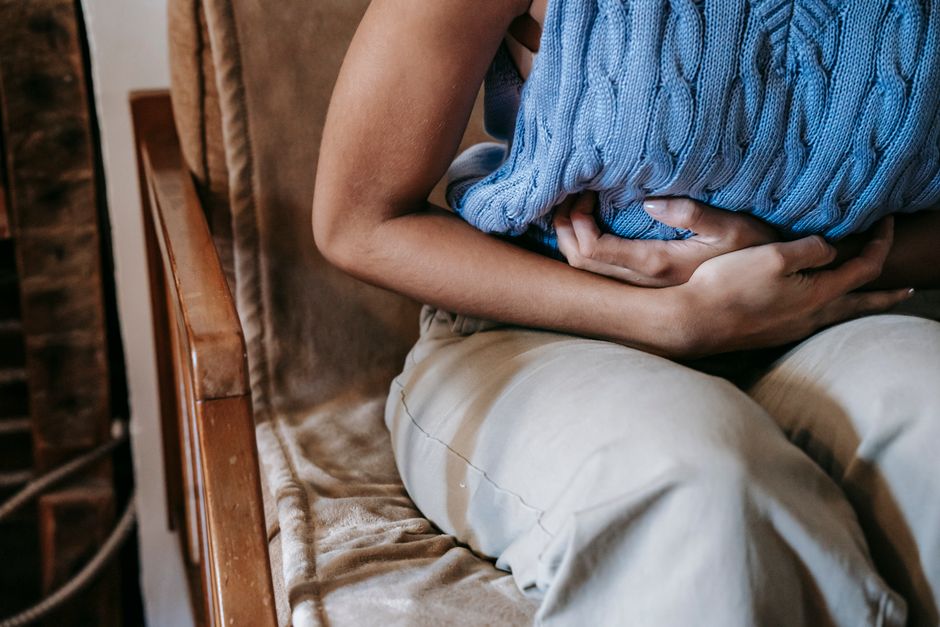
Pain from a stomach ulcer often gets worse at night, when there is no food in your stomach to buffer acid. Sleeping with your head raised, taking acid-suppressing medication as prescribed, and avoiding late meals, alcohol, and NSAID pain relievers are the steps most likely to help you sleep. None of these replace treatment for the ulcer itself.
Why Do Stomach Ulcers Hurt More At Night?
An ulcer is an open sore in the lining of the stomach or the first part of the small intestine. That lining normally defends itself against digestive acid. When the defense breaks down, acid reaching the raw tissue causes a burning or gnawing pain.
During the day, food and saliva help neutralize acid. At night, meals stop and saliva production drops. Acid keeps being produced. For many people with a duodenal ulcer — one in the first part of the small intestine — this shows up as pain that wakes them a few hours after falling asleep. Eating something often eases that pain, which is a classic pattern.
Stomach ulcers behave differently. Pain may come shortly after eating rather than hours later. The timing is a clue, not a diagnosis. Only a doctor can tell which type you have.
Two causes account for most ulcers. The bacterium Helicobacter pylori and regular use of nonsteroidal anti-inflammatory drugs (NSAIDs) such as ibuprofen and naproxen. Stress and spicy food do not cause ulcers, though they can make symptoms feel worse. That distinction matters because it points to what actually needs treating.
What Is The Best Sleeping Position With A Stomach Ulcer?
Sleeping with your upper body elevated is the most commonly recommended position. Raising the head of the bed keeps stomach contents lower and can reduce the reflux that often accompanies ulcer pain. It also tends to make nighttime symptoms less noticeable.
How you raise the bed matters. Stacking pillows under your head bends you at the waist and can push acid upward. Instead, lift the head of the mattress itself using bed risers or a wedge pillow placed under the mattress. A wedge that supports your whole upper body works better than a pile of pillows.
Sleeping on your left side is another option some clinicians suggest. The stomach sits on the left side of the body, and this position may keep acid from pooling near the esophagus. The evidence for left-side sleeping is not strong, but it is low-risk and some people find it helps.
What to avoid: sleeping flat on your back or right side right after eating. Both can make reflux and ulcer discomfort worse.
How To Sleep With A Stomach Ulcer Tips That Work
These steps target the two things that keep you awake — acid and irritation. They work alongside treatment, not instead of it.
- Take acid-suppressing medication as prescribed. Proton pump inhibitors and H2 blockers reduce acid production. Timing matters, and your doctor’s instructions are specific to your ulcer.
- Stop NSAIDs unless a doctor says otherwise. Ibuprofen, naproxen, and aspirin can worsen ulcers and delay healing. Ask about alternatives for pain.
- Finish dinner three hours before bed. A full stomach at bedtime means more acid and more reflux when you lie down.
- Skip alcohol and smoking in the evening. Both increase acid and slow ulcer healing. Smoking also raises the chance an ulcer will return.
- Cut back on caffeine after midday. Caffeine stimulates acid production and can keep you awake on its own.
- Elevate the head of your bed. Use a wedge or bed risers, not stacked pillows.
- Try a small, bland snack if pain wakes you. A few crackers or a glass of milk can settle acid temporarily. This is a short-term fix, not a treatment.
- Manage stress where you can. Stress does not cause ulcers, but it can sharpen your perception of pain and disrupt sleep.
If pain regularly wakes you at the same time each night, tell your doctor. That pattern is useful information and may point to a duodenal ulcer that needs specific treatment.





Does Food Affect How Well You Sleep With An Ulcer?
Food can ease or worsen nighttime ulcer pain depending on what and when you eat. The goal is to avoid long stretches with an empty, acid-filled stomach without eating so close to bed that reflux takes over.
Foods that tend to sit well: oatmeal, bananas, plain rice, cooked vegetables, lean protein, and low-fat dairy. These are gentle on the stomach lining and less likely to trigger acid.
Foods that often make things worse: citrus, tomatoes, chocolate, fried and fatty foods, strong spices, coffee, and carbonated drinks. This list is not universal. The best way to find your triggers is to note what you ate on nights you slept badly.
One common myth is that milk is a reliable ulcer remedy. Milk briefly coats the stomach and can feel soothing, but it also stimulates acid production. The relief is often short-lived, and symptoms can rebound. Milk is not a treatment for an ulcer.
When Should You See A Doctor About Nighttime Ulcer Pain?
See a doctor if you have ulcer symptoms at all — do not try to manage them alone. Ulcers are treatable, and the right treatment depends on the cause. H. pylori is treated with antibiotics plus acid suppression. NSAID-related ulcers are managed by stopping the drug and reducing acid.
Get medical care right away if you notice any of these:
- Vomiting blood or material that looks like coffee grounds
- Black, tarry, or bloody stools
- Sudden, severe, or sharp stomach pain
- Pain that spreads to your back, shoulder, or chest
- Feeling faint, weak, or short of breath
- Trouble keeping food down, or unexplained weight loss
These can signal bleeding or a perforated ulcer, which are emergencies. Do not wait to see if they improve on their own.
Also tell your doctor if nighttime pain is getting worse or not responding to treatment. Persistent symptoms can mean the ulcer is not healing, the cause was not fully addressed, or something else is going on.
What Else Helps You Sleep Better With An Ulcer?
Good sleep habits support healing and make ulcer pain easier to handle. The relationship runs both ways — poor sleep can make pain feel worse, and pain disrupts sleep.
Keep a consistent bedtime and wake time, even on weekends. Get out of bed if you cannot sleep within about twenty minutes, and return when you feel drowsy. Keep the room cool, dark, and quiet. Limit screens before bed.
If anxiety about nighttime pain is keeping you awake, say so. Worry about being woken by pain can itself prevent sleep. Talking with your doctor about both the ulcer and the sleep problem is more useful than treating them separately.
One point worth repeating: lifestyle changes ease symptoms, but they do not cure an ulcer. The cure comes from treating the underlying cause. Sleep tips work best when they sit on top of proper medical care.
Frequently Asked Questions
What is the best sleeping position for a stomach ulcer?
Sleeping with your upper body elevated on a wedge or raised mattress is most often recommended, because it keeps stomach contents lower and reduces reflux. Sleeping on your left side may also help some people, though the evidence is not strong.
Why does my stomach ulcer hurt more at night?
At night there is no food to buffer stomach acid, and saliva production drops, so acid irritates the ulcer more. Duodenal ulcers in particular often cause pain that wakes people a few hours after they fall asleep.
Should I eat something if ulcer pain wakes me up?
A small, bland snack such as a few crackers can briefly ease pain by neutralizing acid. It is a short-term comfort measure, not a treatment, and eating close to bedtime can worsen reflux for some people.
Can I cure a stomach ulcer with diet and sleep changes alone?
No. Diet and sleep habits can reduce symptoms, but they do not cure an ulcer. Treating the cause — usually H. pylori infection or NSAID use — with medical care is what allows the ulcer to heal.
