
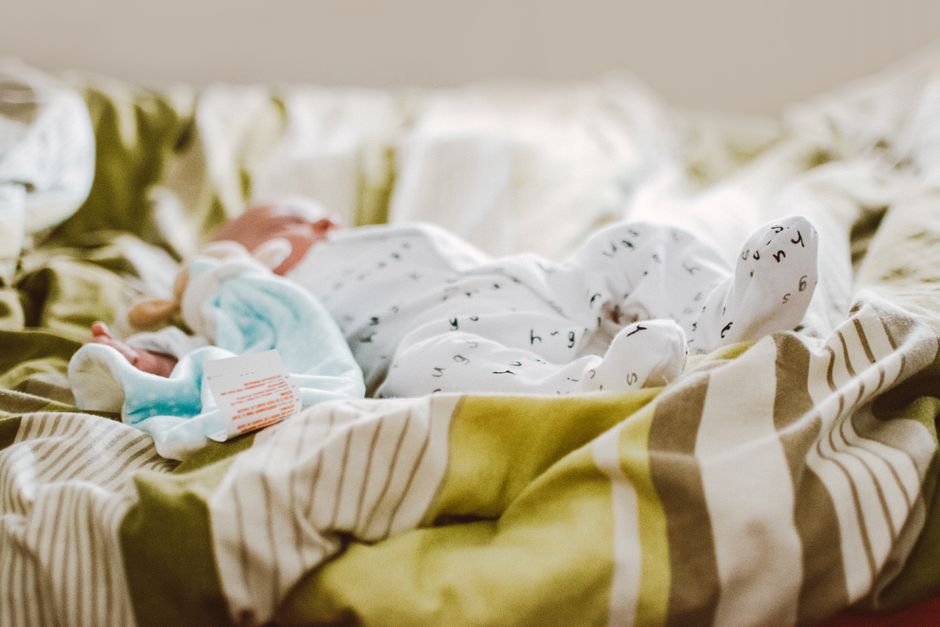
New parents hear a lot of conflicting advice, but the answer to whether an infant can sleep on their stomach is not a gray area. The short, direct answer is no. Healthy babies should not sleep on their stomachs during their first year of life. This position is strongly linked to a higher risk of Sudden Infant Death Syndrome (SIDS) and accidental suffocation. The safest sleep position for every sleep — naps and nighttime — is on the back.
Why Is Stomach Sleeping Dangerous for Infants?
Stomach sleeping is a major risk factor for SIDS. Research consistently shows that babies who sleep on their stomachs have a significantly higher risk of dying from SIDS compared to babies who sleep on their backs. The exact reason is not fully understood, but several mechanisms are likely involved.
When a baby sleeps face-down, they may re-breathe the carbon dioxide they just exhaled. This can lower the oxygen levels in their blood. Stomach sleeping can also cause the upper airway to become blocked or compressed. Additionally, a baby on their stomach may have trouble regulating their body heat, which can also contribute to the risk.
This risk is not theoretical. It is based on decades of international research and public health data. The dramatic drop in SIDS rates following the “Back to Sleep” campaigns in the 1990s is one of the most successful public health interventions in modern pediatrics.
What Is the Safest Sleep Position for a Baby?
The safest position is flat on the back. This recommendation applies to all sleep times, including short naps. Every major pediatric and public health organization that issues sleep guidance recommends back sleeping as the standard for every sleep until a baby reaches their first birthday.
Back sleeping does not increase the risk of choking. Healthy babies have natural reflexes that protect their airways. If a baby spits up or vomits while on their back, their airway anatomy and reflexes keep them safe. The evidence does not support the older idea that stomach sleeping prevents choking.
Once a baby can roll from back to stomach and back again on their own, the rules change slightly. You should still place them on their back to sleep. If they roll onto their stomach during the night, you do not need to flip them back. However, you must ensure the crib is completely free of loose bedding, pillows, bumper pads, and soft toys so they do not get trapped.
When Can a Baby Start Sleeping on Their Stomach?
Stomach sleeping is considered safe once a baby can independently roll in both directions. This typically happens between 4 and 6 months of age, but every baby is different. The key word is independent. If the baby gets themselves into the stomach position, it is generally acceptable to leave them.
This is a nuanced point. The official guidance still says to place the baby on their back for sleep until age 1. The allowance for stomach sleeping after rolling is about the baby’s own motor skills, not about changing your routine. You should never place a baby on their stomach to sleep, even if they have begun to roll.
If your baby is rolling early or seems close to rolling, continue placing them on their back. Keep the sleep environment bare. A firm mattress with a fitted sheet is all that is needed. This gives the baby a safe surface to practice rolling without the risk of suffocation from soft items.




What About Tummy Time While Awake?
Tummy time is completely different from stomach sleeping. Tummy time is supervised, awake time on the stomach. It is safe and recommended from day one. It helps build the neck, shoulder, and arm muscles babies need for rolling, sitting, and crawling.
Start with short sessions. A few minutes two to three times a day is enough for a newborn. You can increase the duration as the baby gets stronger and more comfortable. Always supervise tummy time closely. The baby should be awake during tummy time, and you should be watching them the entire time.
Regular tummy time is one of the best ways to help a baby develop the strength to roll over safely. It also helps prevent flat spots on the back of the head, which can develop from spending too much time on the back. Tummy time and back sleeping serve two different purposes.
Are Sleep Positioners or Wedges Safe to Prevent Stomach Sleeping?
No. Do not use sleep positioners, wedges, or any devices that claim to keep a baby in a specific position. These products are not recommended and can be dangerous. They are not proven to reduce the risk of SIDS, and they can increase the risk of suffocation.
Some older products were marketed to prevent flat head syndrome or acid reflux. The evidence does not support their use for these purposes. A baby can slip out of a positioner and get trapped between the device and the mattress. This creates a suffocation hazard.
The safest sleep environment is simple. A firm, flat sleep surface. A fitted sheet. Nothing else in the crib. No blankets, no pillows, no stuffed animals, no bumpers. This bare approach has the strongest evidence for reducing sleep-related infant deaths.
Why Do Some Babies Sleep Better on Their Stomach?
Many parents report that their baby sleeps more soundly on their stomach. They often say the baby startles less and seems more comfortable. This observation is real, but it is not a reason to change sleep position.
Stomach sleeping can lead to deeper sleep. This deeper sleep is actually part of the problem. A baby in a deep sleep may be less likely to arouse in response to breathing difficulties or low oxygen levels. This impaired arousal response is believed to be one of the reasons stomach sleeping increases SIDS risk.
It can be difficult to watch a baby fuss when placed on their back for sleep. It is normal for a baby to prefer a different position. The evidence is clear that the back is the safest position, even if it means a few extra minutes of settling at bedtime.
What Are the Other Key Safe Sleep Rules?
Back sleeping is the most important rule, but it is not the only one. Safe sleep guidance includes several other critical components that work together to reduce risk.
- Firm mattress: The sleep surface should be firm and flat. A crib mattress that fits snugly in the crib is ideal.
- Bare crib: Remove all soft objects, loose bedding, and toys from the crib.
- Room sharing: The American Academy of Pediatrics recommends sharing a room with your baby for at least the first 6 months. This means placing the crib in your room, not sharing a bed with the baby.
- Avoid overheating: Dress the baby in light sleep clothing. Do not use hats indoors. The room should be at a comfortable temperature for an adult in light clothing.
- No smoke exposure: Keep the baby away from cigarette smoke and all other tobacco smoke exposure.
Breastfeeding is also associated with a lower risk of SIDS. Offering a pacifier at naptime and bedtime is linked to a reduced risk as well. These are protective factors that support, but do not replace, the need for back sleeping.
What If My Baby Rolls Onto Their Stomach at Night?
This is one of the most common questions parents ask. If you place the baby on their back and they roll onto their stomach during sleep, you do not need to turn them back over. This assumes the baby is strong enough to roll in both directions on their own.
You should continue to place the baby on their back at the start of every sleep. If they roll over during the night, it is safe to leave them. The risk of SIDS drops significantly once a baby has the motor skills to roll in both directions. The most dangerous scenario is a baby who cannot roll yet being placed on their stomach, or a baby rolling into soft bedding.
If you are worried about your baby rolling, double-check the sleep environment. The crib must be bare. A baby who rolls into a blanket or against a bumper can get stuck. A bare crib removes this risk entirely.
Does This Guidance Apply to Premature Babies?
Yes. Back sleeping is the recommended position for premature infants as well. In fact, premature babies are at an even higher risk for SIDS and sleep-related deaths. The same safe sleep rules apply, often with even more urgency.
There is one exception. Some premature babies with specific medical conditions may need to sleep on their stomachs while in the hospital. This is a medical decision made by the care team, not a parent. Once the medical issue resolves, the baby should be placed on their back for sleep at home.
Always discuss your baby’s specific needs with your pediatrician. They can provide guidance tailored to your baby’s health, especially if your baby was born early or has chronic health conditions.
Frequently Asked Questions
Can a newborn sleep on their stomach if supervised?
No. Supervision does not eliminate the risks of stomach sleeping for a newborn. The back is the only safe sleep position for every sleep.
At what age can a baby sleep on their stomach safely?
Once a baby can independently roll from back to stomach and stomach to back, it is safe to leave them if they roll over at night. You should still place them on their back to sleep until age 1.
Is it safe to use a wedge to keep my baby on their side or back?
No. Sleep positioners and wedges are not recommended. They are not proven to prevent SIDS and can increase the risk of suffocation.
Will my baby choke if they spit up while sleeping on their back?
No. Healthy babies have natural airway reflexes that protect them. Back sleeping does not increase the risk of choking.
