
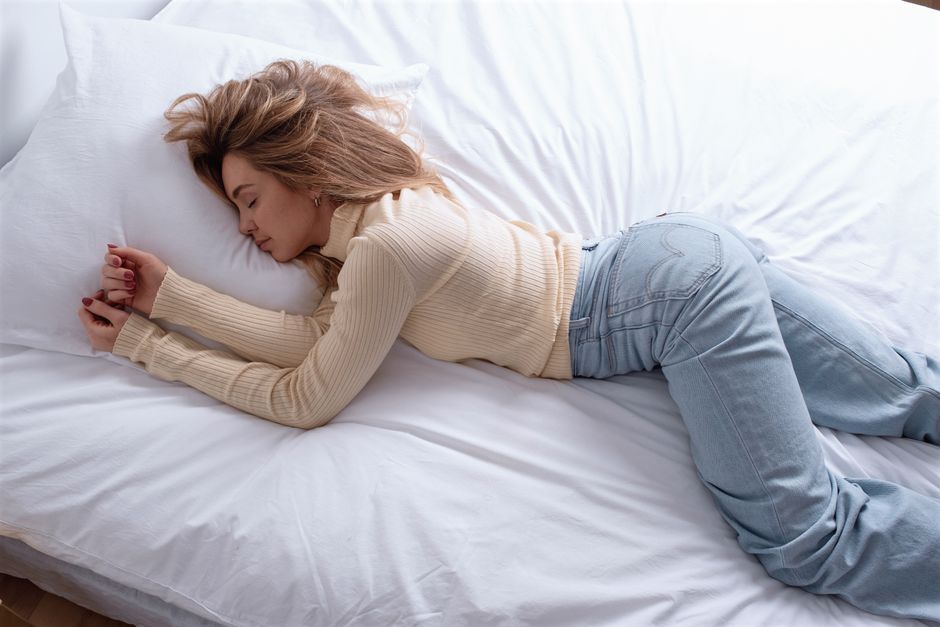
The best sleep position for most adults is on your side, specifically the left side, because it supports spinal alignment, improves circulation, and reduces acid reflux. Back sleeping is a close second for those without snoring or sleep apnea issues. Stomach sleeping is generally the least recommended because it strains the neck and lower back. The right choice depends on your health conditions, comfort, and whether you snore or have breathing issues during sleep.
What Does Science Say About Each Sleep Position?
Research consistently shows that side sleeping offers the most health benefits for the largest number of people. Studies have found that side sleeping reduces the frequency of apnea episodes in people with mild to moderate obstructive sleep apnea. It also helps keep the airway open compared to lying on your back.
Back sleeping keeps your head, neck, and spine in a neutral position. This is ideal for spinal alignment. However, for people who snore or have sleep apnea, back sleeping makes both conditions worse because gravity pulls the soft tissues in the throat backward, narrowing the airway.
Stomach sleeping is the hardest on your body. To breathe, you must turn your head to one side for hours at a time. This rotation puts stress on the cervical spine and can lead to neck pain, shoulder pain, and headaches. Some research suggests stomach sleeping also increases pressure on the lumbar spine, which can worsen lower back pain.
What Sleep Position Is Best Side Back Or Stomach for Your Health?
Side sleeping is the best overall choice for most adults. It balances spinal support with airway health. Left-side sleeping, in particular, is often recommended for people with acid reflux or GERD because the stomach sits below the esophagus in this position, making it harder for acid to flow upward.
Side sleeping also benefits pregnant women. Medical guidelines recommend that pregnant women, especially in the second and third trimesters, sleep on their left side. This position improves blood flow to the fetus and reduces pressure on the inferior vena cava, the large vein that returns blood to the heart.
Back sleeping is a reasonable alternative if you do not snore and have no diagnosed sleep apnea. It maintains neutral spinal alignment and may reduce the risk of developing wrinkles since your face is not pressed into a pillow. But if you snore loudly or wake up gasping, back sleeping is likely making it worse.
Stomach sleeping offers no clear health advantages. The only reason people prefer it is habit or comfort. If you have chronic neck or back pain, switching away from stomach sleeping is one of the most effective non-medical changes you can make.
Does Your Pillow and Mattress Change the Answer?
Yes. The best position is only as good as the support underneath you. A mattress that is too soft allows your hips and shoulders to sink, which misaligns the spine no matter how you lie. A mattress that is too firm creates pressure points at the shoulder and hip for side sleepers.
For side sleeping, use a pillow that fills the gap between your ear and your shoulder. The goal is to keep your head level with your spine, not tilted up or down. A medium-firm mattress is generally recommended for side sleepers because it cushions pressure points while still supporting the spine.
For back sleeping, a thinner pillow is better. A thick pillow pushes your head forward, which strains the neck. Some back sleepers do well with no pillow at all or a very flat one placed under the knees to reduce lower back strain.
For stomach sleeping, the ideal setup is a very flat pillow or no pillow at all. This reduces the angle of neck rotation. A firmer mattress is also better for stomach sleepers to prevent the hips from sinking and arching the lower back. Even with the right setup, stomach sleeping remains the least recommended position.





What If You Have Sleep Apnea or Acid Reflux?
If you have obstructive sleep apnea, side sleeping is the clear winner. Back sleeping significantly increases the number of apnea events per hour. Many sleep specialists tell patients with mild apnea to use a positional therapy device, such as a wedge or a shirt with a pocket sewn into the back, to keep them off their back during sleep.
For acid reflux, left-side sleeping is better than right-side sleeping. Research published in the Journal of Clinical Gastroenterology found that lying on the left side reduces acid exposure in the esophagus compared to the right side. The exact mechanism relates to the angle of the stomach and esophagus in each position.
Elevating the head of your bed by 6 to 8 inches also helps reflux, regardless of position. This works through gravity and is a standard recommendation in clinical guidelines for GERD management. Do not use stacked pillows for this purpose because that only bends your neck and can increase pressure on the stomach.
How to Train Yourself to Change Positions
Changing your sleep position is difficult because you do not control it while unconscious. Most people move multiple times per night, and the position you fall asleep in is not necessarily the position you stay in. Still, you can increase the odds of staying in a healthier position.
For side sleeping, place a body pillow behind your back. This creates a physical barrier that makes it uncomfortable to roll onto your back. You can also place a pillow between your knees, which improves hip alignment and reduces lower back strain.
For back sleeping, place pillows on both sides of your body to prevent rolling onto your stomach. A pillow under the knees reduces the natural curve of the lower back and can make back sleeping more comfortable.
For giving up stomach sleeping, the transition is harder. Start by sleeping on your side with a pillow hugged to your chest. This mimics the comfort of stomach sleeping while keeping your spine in a safer position. Expect it to take several weeks for the new position to feel natural.
Is There a Position That Is Best for Everyone?
No single position works for everyone. Side sleeping is the best default recommendation, but individual health conditions change the calculus. People with shoulder arthritis often find side sleeping painful on the affected side. People with certain types of vertigo, specifically benign paroxysmal positional vertigo, may trigger symptoms by sleeping on a particular side.
The most important principle is spinal alignment. Regardless of position, your head, neck, and spine should form a relatively straight line. If you wake up with stiffness or pain, your position or your pillow is the likely culprit, not your mattress alone.
One non-obvious point: the position you sleep in can affect your facial skin. Side and stomach sleeping compress the face against the pillow, which over years can contribute to sleep lines and wrinkles. Back sleeping avoids this entirely. For people who prioritize skin health, this is a legitimate reason to consider back sleeping if they have no breathing issues.
What About Sleeping on Your Back During Pregnancy?
Back sleeping during late pregnancy is not recommended. As the uterus grows, lying flat on the back can compress the inferior vena cava, reducing blood flow to the heart and potentially to the fetus. This can cause dizziness, shortness of breath, and decreased fetal oxygen supply.
Clinical guidelines recommend that pregnant women sleep on their left side starting in the second trimester. This position maximizes blood flow and kidney function. If you wake up on your back during pregnancy, do not panic. Simply roll back onto your side. Waking on the back is common and not an emergency, but consistent back sleeping should be avoided.
Frequently Asked Questions
What is the healthiest sleep position?
Side sleeping, especially on the left side, is considered the healthiest for most adults because it supports spinal alignment, reduces acid reflux, and keeps the airway open. It is also the recommended position during pregnancy.
Is sleeping on your back bad for you?
Back sleeping is not bad for everyone, but it worsens snoring and obstructive sleep apnea because gravity narrows the airway. If you do not snore and have no breathing issues, back sleeping is a safe option that supports neutral spinal alignment.
Why is stomach sleeping bad for your neck?
Stomach sleeping forces you to rotate your head to one side for hours, which strains the cervical spine and surrounding muscles. This can lead to neck pain, shoulder pain, and morning headaches.
Can I train myself to sleep on my side?
Yes, you can train yourself by placing a body pillow behind your back to prevent rolling onto your back or stomach. It typically takes several weeks of consistent effort for the new position to feel natural.
