
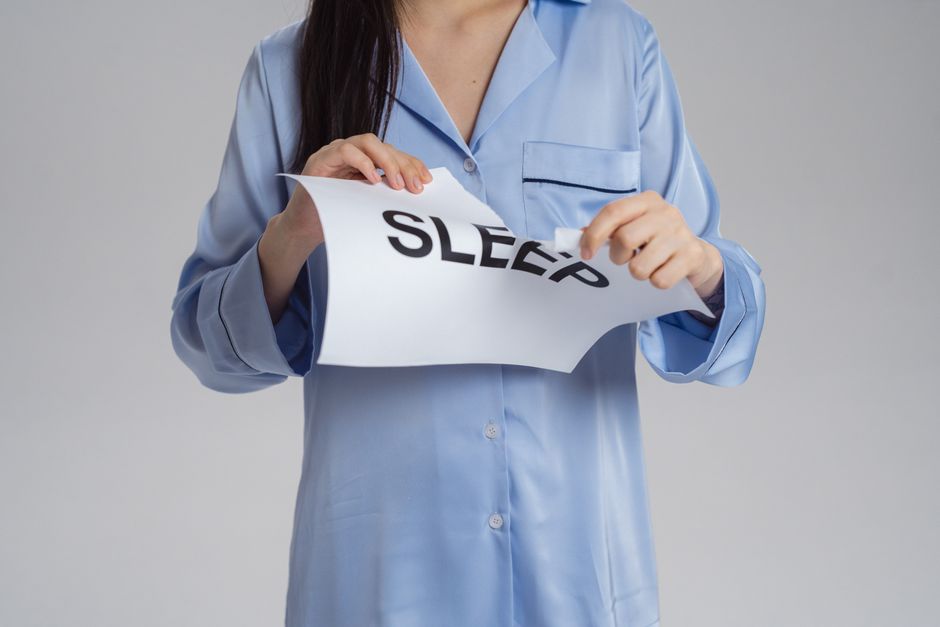
Restless legs syndrome (RLS) can ruin a good night’s sleep. The crawling, pulling, or itching sensation that makes you want to move your legs often strikes just as you settle into bed. The techniques that work include consistent stretching before bed, moderate daily exercise, avoiding caffeine and alcohol in the evening, applying heat or cold packs, and using prescribed medications when needed. These methods have the strongest evidence behind them, and many people find relief by combining several approaches.
What Is Restless Legs Syndrome and Why Does It Keep You Awake?
Restless legs syndrome is a neurological condition that creates an uncomfortable urge to move your legs. The sensations usually happen when you are resting or lying down, and they tend to get worse at night. Moving your legs provides temporary relief, but the feeling returns once you stop moving.
The exact cause is not fully understood. What is clear is that RLS disrupts your ability to fall asleep and stay asleep. The symptoms follow a daily rhythm, peaking in the evening and early night. This timing directly conflicts with your body’s natural sleep window. Even when you manage to fall asleep, periodic limb movements can pull you out of deep sleep without you realizing it.
How To Sleep With Restless Legs Techniques That Work?
Start with the simplest approaches first. Stretching your calf muscles, hamstrings, and quadriceps for 10 to 15 minutes before bed can reduce symptoms for many people. A 2021 review of studies found that stretching consistently improved RLS symptoms compared to no stretching. Make it a nightly routine.
Moderate aerobic exercise during the day also helps. Walking, swimming, or cycling for 30 minutes most days lowers the severity of RLS symptoms. The key is to avoid intense exercise within two hours of bedtime, because vigorous activity can temporarily worsen symptoms.
Apply heat or cold to your legs right before you get into bed. A warm bath or a heating pad relaxes the muscles. Some people prefer a cold pack, which can numb the sensation. Try both to see which works for you.
Compression socks or pneumatic compression devices have shown benefit in some studies. They improve blood flow and reduce the buildup of metabolic waste that may contribute to the discomfort. Wear graduated compression stockings during the day or early evening, not while sleeping.
Massaging your legs before bed can disrupt the unpleasant sensations. Deep pressure or gentle stroking both work. You can do it yourself or ask your partner. The effect is temporary but often enough to help you fall asleep.
Adjust your sleep position. Lying on your back with a pillow under your knees keeps your legs slightly bent and relaxed. Side sleepers can place a pillow between their knees to keep the hips and lower back in alignment. Some people find that propping their feet on a small pillow reduces the pulling sensation.
What Lifestyle Changes Help With Restless Legs?
Caffeine is a known trigger. Even a small amount in the afternoon can worsen symptoms at night. If you have RLS, avoid coffee, tea, cola, and chocolate after noon. Alcohol also disrupts sleep architecture and can trigger or intensify RLS symptoms. Limiting alcohol to one drink or none at all in the evening is wise.
Iron levels matter. Low iron stores are a common contributor to RLS. Get your ferritin level checked with a simple blood test. Many doctors consider a ferritin level below 75 to 100 ng/mL as a reason to supplement, even if your hemoglobin is normal. Do not take iron supplements without a blood test because excess iron is harmful.
Some research suggests magnesium supplementation may help, but the evidence is not strong. Magnesium doesn’t appear to affect RLS symptoms directly. A 2022 review found no high-quality trials supporting magnesium for RLS. Still, magnesium can relax muscles and improve sleep quality in general, so it may be worth trying under a doctor’s guidance.
Dehydration can worsen the sensations. Drink enough water during the day, but stop drinking fluids one to two hours before bed to avoid waking up to urinate.




What Triggers Should You Avoid at Night?
Certain medications and habits make RLS worse. Antihistamines found in cold and allergy medicines can trigger or intensify symptoms. Diphenhydramine (Benadryl) is a common offender. Decongestants also have stimulating effects that interfere with sleep. If you need a nighttime cold medicine, choose one without antihistamines or decongestants.
SSRI antidepressants such as fluoxetine and sertraline are linked to increased RLS symptoms in some people. If you take an antidepressant and your RLS has worsened, talk to your prescribing doctor. They may adjust the dose or switch to a medication less likely to trigger RLS, such as bupropion.
Smoking constricts blood vessels and reduces circulation. Nicotine also stimulates the nervous system. Quitting smoking improves RLS symptoms, along with many other health benefits.
When Should You See a Doctor About Restless Legs?
If your symptoms are mild and happen only a few nights a month, lifestyle changes and stretching may be enough. But if RLS keeps you awake most nights, makes you exhausted during the day, or affects your mood and work, see a doctor. The same applies if you cannot exercise or perform daily tasks because you are too tired.
Primary care doctors can diagnose RLS based on your symptoms and history. They will check your iron levels and may refer you to a sleep specialist or neurologist if needed. Do not let severe RLS go untreated. Over time, chronic sleep loss raises your risk of high blood pressure, heart disease, and depression.
What Medications and Supplements Are Proven to Help?
When lifestyle changes are not enough, medications are the next step. The treatment depends on your symptom severity and other health conditions.
Iron supplements are the first line if your ferritin is low. The standard dose is usually 65 mg of elemental iron (325 mg ferrous sulfate) taken every other day with vitamin C to improve absorption. Your doctor will check your iron levels again after three months.
Gabapentin enacarbil (brand name Horizant) is FDA-approved for moderate to severe RLS. Gabapentin and pregabalin are also used off-label. These medications calm abnormal nerve signals and improve sleep quality. They generally have fewer long-term side effects than dopamine drugs.
Dopamine agonists such as pramipexole (Mirapex) and ropinirole (Requip) were once the standard treatment. However, they can cause a serious side effect called augmentation, where symptoms shift earlier in the day and become more intense. Because of this risk, these drugs are now used less often and only when other options fail.
Benzodiazepines like clonazepam are sometimes prescribed to help with sleep, but they do not treat the underlying RLS symptoms. They carry a risk of dependence and morning drowsiness. They are not recommended as a first-line treatment.
Low-dose opioids (tramadol, oxycodone) are reserved for severe, treatment-resistant RLS that does not respond to other medications. Because of the risk of addiction, they are used only under close medical supervision and as a last resort.
How Long Does It Take for Treatment to Work?
Stretching and lifestyle changes can provide some relief within days. You may notice subtle improvements after one to two weeks of consistent effort. For iron deficiency, it usually takes three to four months of supplementation to restore stores and see a meaningful reduction in symptoms. Gabapentinoids and dopamine agonists can improve symptoms within a few days to two weeks. If a medication does not work after four to six weeks, your doctor may adjust the dose or switch you to another drug.
What About Complementary and Alternative Therapies?
Some people try acupuncture, yoga, or massage therapy. A small 2021 study found that acupuncture improved RLS symptoms compared to sham acupuncture, but larger trials are needed. Yoga and stretching have overlapping benefits. Massage therapy provides temporary relief but has not been studied rigorously for long-term effects.
Transcutaneous electrical nerve stimulation (TENS) is sometimes used, but evidence is minimal. A 2020 review concluded that there is not enough quality research to recommend TENS for RLS. If you try it, use it only as an adjunct to proven methods.
Be cautious of supplements sold specifically for RLS. Many contain a mix of herbs, minerals, and melatonin. Melatonin can paradoxically worsen RLS symptoms in some people because it alters dopamine pathways. No supplement should replace standard medical evaluation.
Can Restless Legs Be Cured Permanently?
There is no permanent cure for RLS, but most people can achieve good symptom control. If the underlying cause is iron deficiency, correcting the deficiency may resolve the RLS permanently. For primary RLS (no underlying cause), the condition is chronic and usually lifelong. Symptoms often worsen with age, but consistent treatment keeps them manageable. Remission is possible for some people, even without treatment, but it is not predictable.
Frequently Asked Questions
What is the fastest way to stop restless legs at night?
Standing up and walking around, stretching your legs, or applying heat or cold can provide immediate but temporary relief. For longer-term control, address triggers like caffeine and low iron, and use medication if needed.
Can magnesium help with restless legs syndrome?
The evidence is mixed and not strong enough to recommend magnesium as a standard treatment. Some people report mild relief, likely from magnesium’s muscle-relaxing effect, but it does not target the neurological cause of RLS.
Is restless legs syndrome a sign of something serious?
Most cases are not dangerous, but RLS can indicate iron deficiency, kidney disease, or neuropathy. It also significantly increases the risk of chronic sleep deprivation and related health issues. See a doctor for a full evaluation.
Do compression socks work for restless legs?
Some studies show that wearing compression socks during the day reduces RLS symptoms at night. They improve circulation and may reduce the uncomfortable sensations. Try knee-high socks with moderate compression (15-20 mmHg).
