
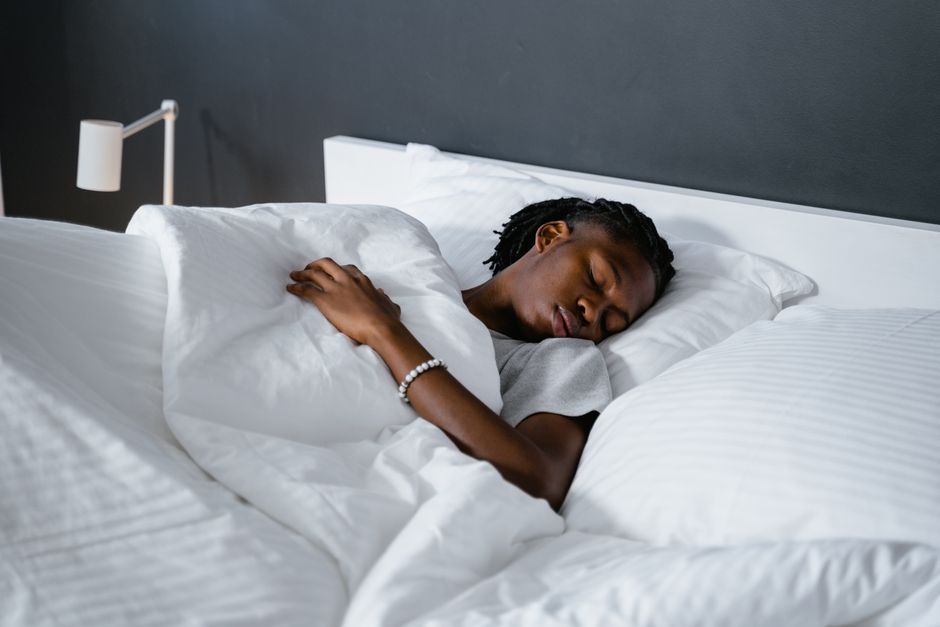
Do you lie in bed staring at the ceiling, counting the hours until morning? You are not alone. Poor sleep is one of the most common health complaints in the United States. Fortunately, improving your sleep hygiene can help. Sleep hygiene means the habits and environment you create around sleep. To improve sleep hygiene for better rest, start with a consistent bedtime and wake time, keep your bedroom dark and quiet, and avoid screens for at least one hour before bed. These simple steps help your body’s natural sleep rhythm work the way it should.
What is sleep hygiene and why does it matter?
Sleep hygiene is the set of daily practices that prepare your body and brain for sleep. It includes your sleep schedule, your bedtime routine, your bedroom environment, and your daytime habits. When these factors are aligned, you can fall asleep faster and stay asleep longer.
Your body runs on a 24‑hour internal clock called the circadian rhythm. Light and darkness are the strongest signals that set this clock. Using screens late at night tricks your brain into thinking it is still daytime. A warm room can delay the drop in body temperature that signals sleep. An irregular schedule confuses your internal clock. Good sleep hygiene removes these barriers and lets your natural sleep system work.
Sleep quality affects nearly every part of your health. Poor sleep is linked to higher risks of heart disease, obesity, type 2 diabetes, and depression. Even one night of bad sleep can impair your attention and memory. For these reasons, sleep hygiene is not just about feeling rested. It is a basic foundation for long‑term health.
How to improve sleep hygiene for better rest
Improving sleep hygiene does not require a complete lifestyle overhaul. Focus on a few key changes that have the strongest evidence behind them. Start with the areas that are easiest for you to adjust.
Keep a consistent sleep schedule. Go to bed and wake up at the same time every day, including weekends. This reinforces your circadian rhythm and makes falling asleep easier. If you shift your schedule by hours on Saturday, Sunday night becomes a struggle. The American Academy of Sleep Medicine recommends a consistent schedule as the single most important sleep hygiene practice.
Create a sleep‑friendly bedroom. Your room should be dark, cool, and quiet. Use blackout curtains or an eye mask. Keep the temperature around 65°F (18°C) if possible. Use earplugs or a white noise machine to block disruptive sounds. Remove TVs, computers, and smartphones from the bedroom. These devices emit blue light that suppresses melatonin, the hormone that helps you feel sleepy.
Build a relaxing pre‑sleep routine. Spend the last 30 to 60 minutes before bed winding down. Read a physical book, take a warm bath, practice gentle stretching, or listen to calm music. Avoid work, stressful conversations, and anything that gets your mind racing. Your brain needs time to shift from alert mode to sleep mode.
Limit caffeine and alcohol close to bedtime. Caffeine blocks adenosine, a chemical that builds up during the day and promotes sleep. It stays in your system for several hours. Avoid coffee, tea, soda, and chocolate after 2 p.m. Alcohol may make you feel drowsy at first, but it disrupts the second half of the night. Even one drink before bed can reduce the quality of your sleep.
Get enough daytime activity. Regular exercise helps you fall asleep faster and spend more time in deep sleep. Aim for at least 30 minutes of moderate activity most days. However, vigorous exercise within an hour of bedtime can raise your body temperature and make it harder to fall asleep. Try to finish exercise three to four hours before bed.
Manage stress and worry. Racing thoughts are a common barrier to sleep. Consider writing down your worries earlier in the evening so you are not rehashing them in bed. Some people benefit from deep breathing or meditation before sleep. If anxiety about sleep itself is a problem, that requires a separate approach beyond basic sleep hygiene.
What does the evidence say about sleep hygiene?
Sleep hygiene is well‑established as helpful for most people, but it is not a cure‑all. Research consistently shows that good sleep habits improve sleep quality and duration for people without a diagnosed sleep disorder. For example, studies have found that regular bedtimes and reduced screen time lead to faster sleep onset and fewer nighttime awakenings.
However, for chronic insomnia — difficulty falling or staying asleep three or more nights a week for at least three months — sleep hygiene alone is often not enough. The American Academy of Sleep Medicine recommends cognitive behavioral therapy for insomnia (CBT‑I) as the first‑line treatment. CBT‑I includes sleep hygiene as one component, but also addresses unhelpful thoughts about sleep, stimulus control (using the bed only for sleep and sex), and sleep restriction therapy. If you have tried basic sleep hygiene for several weeks and still struggle, speak with your healthcare provider. Do not assume you just need to try harder. Insomnia is a medical condition that requires a targeted treatment plan.
Some studies have looked at individual sleep hygiene recommendations. The evidence for avoiding caffeine late in the day is strong. The evidence for a cool bedroom is moderate — most people sleep better in a slightly cool environment. The evidence for warm baths is also moderate; the drop in body temperature after a bath can promote sleep. The evidence for a consistent schedule is strong. The evidence for avoiding screens before bed is strong in children and moderate in adults. Overall, the combination of practices matters more than any single one.





Common sleep hygiene myths and mistakes
Several popular beliefs about sleep are not supported by evidence. Here are a few to watch out for.
Myth: Alcohol helps you sleep better. Alcohol may help you fall asleep faster, but it reduces rapid eye movement (REM) sleep and causes more awakenings in the second half of the night. You will likely feel less rested overall.
Myth: You can catch up on lost sleep over the weekend. Sleeping in on Saturday does not fully reverse the effects of a week of short sleep. It may also reset your schedule in a way that makes Sunday night worse. Consistency is more important than one long sleep session.
Myth: Napping is always bad. Short power naps (10‑20 minutes) early in the afternoon can be helpful. But long naps later in the day can make it harder to fall asleep at night. If you have insomnia, avoid napping altogether.
Mistake: Staying in bed when you cannot sleep. Lying awake in bed trains your brain to associate the bed with wakefulness. If you do not fall asleep within 20 minutes, get up and do something relaxing in dim light until you feel sleepy. This is a core part of CBT‑I.
Mistake: Over‑the‑counter sleep aids as a long‑term solution. Products like melatonin or diphenhydramine (Benadryl) are not intended for nightly, long‑term use. Melatonin may help with jet lag or circadian rhythm disorders, but the evidence for general insomnia is weak. Antihistamines can cause next‑day drowsiness and tolerance develops quickly. Always talk to a doctor before taking any sleep medication regularly.
Frequently Asked Questions
Does warm milk really help you sleep?
Warm milk contains tryptophan, which is a building block for serotonin and melatonin, but the amount is too small to have a strong effect on sleep. The comfort and routine of drinking something warm may help you relax, which can make it easier to fall asleep.
How long does it take to improve sleep hygiene?
Most people notice improvements within one to two weeks of consistent changes. Your circadian rhythm adjusts gradually, so stick with the new habits even if you do not see immediate results.
Can exercise too close to bedtime disrupt sleep?
Vigorous exercise within an hour of bedtime can raise body temperature and heart rate, making it harder to fall asleep for some people. Gentle stretching or yoga before bed is generally fine and may even help relaxation.
Is it okay to use blackout curtains every night?
Yes, blackout curtains are a safe and effective way to block outdoor light. Total darkness during sleep supports melatonin production and helps you stay asleep longer.
