
Sleep is not a passive state. While you are asleep, your brain clears metabolic waste, your body repairs tissue, and your hormones reset for the next day. Getting the right amount is important, but how you sleep — your position, your schedule, and your environment — shapes the quality of that rest in ways many people overlook.
The core answer is straightforward. Most healthy adults need seven to nine hours of sleep per night, according to the National Sleep Foundation. Side sleeping is generally the most supportive position for the spine and airway. A consistent sleep and wake time matters more than most people realize. And the room itself — temperature, light, and noise — directly affects how quickly you fall asleep and how deeply you stay there.
What follows is a practical, evidence-based look at each of these factors. No hype. Just what research and clinical experience actually show.
How many hours of sleep do adults actually need?
Seven to nine hours is the range most sleep organizations cite for healthy adults aged 18 to 64. Adults over 65 often need slightly less — around seven to eight hours — though individual variation is real.
These numbers come from broad population studies and expert consensus, not from a single experiment. The National Sleep Foundation convened a panel of sleep researchers and clinicians to review the evidence and set these ranges. They represent the amount associated with the best health outcomes across large groups, not a guarantee for every individual.
Sleep duration matters because of what happens when it falls short. Chronic sleep deprivation is linked to higher risks of cardiovascular disease, type 2 diabetes, obesity, and impaired immune function. It also affects mood, memory, and decision-making in ways that accumulate over time.
Some people genuinely function well on six hours. Others need closer to nine. The best gauge is how you feel after a full night without an alarm — refreshed, alert, and able to concentrate. If you need caffeine to get through the morning and feel foggy by early afternoon, you are probably not getting enough.
What is the best sleeping position for your health?
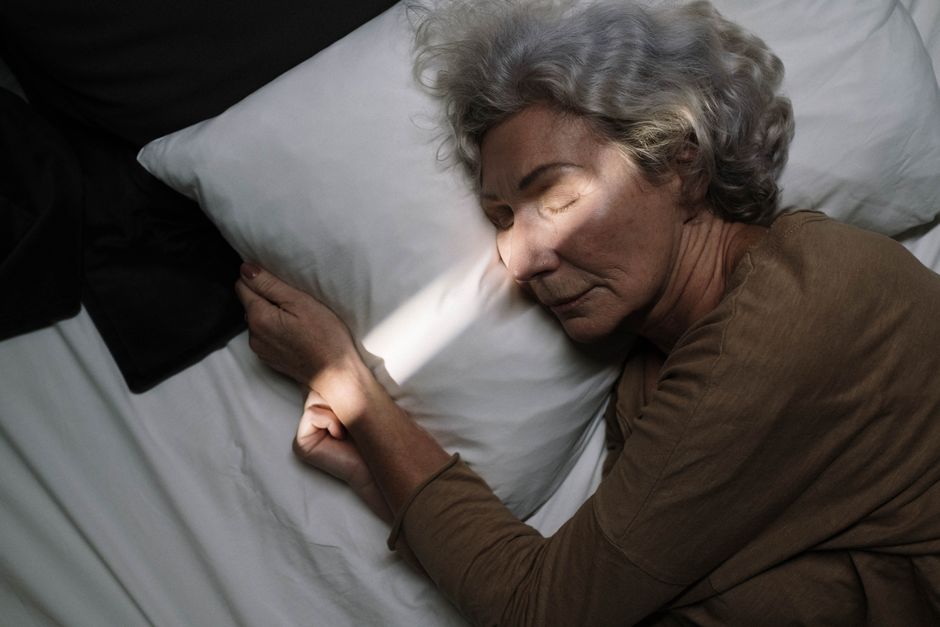
Side sleeping is the position most sleep specialists recommend for the average healthy adult. It keeps the spine relatively neutral, reduces snoring in many people, and may help with acid reflux.
Sleeping on your left side specifically has been associated with less nighttime reflux. The stomach sits higher than the esophagus when you lie on your left, which makes it harder for acid to travel upward. Some research supports this, though the effect varies from person to person.
Back sleeping is a reasonable alternative for people without snoring or reflux issues. It distributes body weight evenly and can ease pressure on the lower back. The downside is that back sleeping tends to worsen snoring and may aggravate sleep apnea, because gravity pulls the tongue and soft tissues backward, narrowing the airway.
Stomach sleeping is the least recommended position. It forces the neck into a rotated position for hours and can strain the lower back. If you cannot sleep any other way, using a very thin pillow or no pillow under your head may reduce neck strain.
Pillow placement matters as much as position. Side sleepers should use a pillow thick enough to fill the gap between the neck and the mattress, keeping the head level with the spine. Back sleepers generally do better with a thinner pillow or a contoured cervical pillow. A pillow between the knees for side sleepers can help keep the hips aligned.
How does sleep position affect snoring and sleep apnea?
Position plays a significant role in both snoring and obstructive sleep apnea. When you lie on your back, gravity causes the soft tissues in the throat to collapse inward, narrowing the airway. This is why many people snore worse on their backs.
Obstructive sleep apnea is a more serious condition. It involves repeated pauses in breathing during sleep, often dozens or hundreds of times per night. These pauses fragment sleep and drop blood oxygen levels. Over time, untreated sleep apnea is associated with high blood pressure, heart disease, and stroke.
For people with mild positional sleep apnea — meaning their breathing pauses mostly happen on their back — avoiding the supine position can help. Some clinicians recommend positional therapy, which uses a device or technique to keep a person off their back. A simple approach is sewing a tennis ball into the back of a shirt, though commercial devices exist that vibrate when you roll onto your back.
For moderate to severe sleep apnea, positional therapy alone is not enough. CPAP (continuous positive airway pressure) remains the standard treatment. If you suspect you have sleep apnea — loud snoring, gasping for air during sleep, excessive daytime sleepiness — see a doctor. It is a medical condition, not just a nuisance.





Why does a consistent sleep schedule matter so much?
Your body runs on an internal clock called the circadian rhythm. This roughly 24-hour cycle regulates when you feel alert, when you feel sleepy, when your body releases hormones, and even when your digestive system is most active.
When you go to bed and wake up at the same time every day, your circadian rhythm stays aligned. Your body learns to release melatonin — the hormone that promotes sleep — at the right time. It also learns to raise cortisol and body temperature at the right time to help you wake up.
When your schedule shifts — sleeping in on weekends, working night shifts, or traveling across time zones — your circadian rhythm falls out of sync. This is sometimes called “social jet lag.” Research suggests that irregular sleep schedules are associated with worse metabolic health, mood, and cognitive performance, even when total sleep time is the same.
The fix is not complicated, but it requires consistency. Go to bed and wake up within the same 30-minute window every day, including weekends. If you must sleep in, keep it to no more than an hour past your usual wake time.
Light exposure reinforces this rhythm. Getting bright light in the morning — ideally within an hour of waking — helps set your clock. Dimming lights in the evening signals to your brain that it is time to wind down. This is one of the most well-established findings in sleep science.
What room conditions help you sleep better?
Your sleep environment sends signals to your brain about whether it is time to rest. Small adjustments can make a measurable difference.
- Temperature: Most people sleep best in a cool room, generally between 60 and 67 degrees Fahrenheit. Your core body temperature naturally drops during sleep, and a cool environment supports that process.
- Light: Even dim light can suppress melatonin. Blackout curtains, eye masks, and covering or removing electronic lights can help. If you need a nightlight, choose a dim red or amber one.
- Noise: Sudden noises disrupt sleep even if you do not fully wake. Steady background noise — a fan, a white noise machine — can mask disruptive sounds. Earplugs are another option.
- Mattress and pillows: A mattress that is too soft or too firm can cause discomfort and tossing. Most mattresses last seven to ten years before they lose supportive qualities. Pillows should be replaced more often, roughly every one to two years.
None of these factors works in isolation. A cool, dark, quiet room supports sleep. A warm, bright, noisy room works against it. The goal is to make your bedroom a place your brain associates with sleep, not with scrolling, working, or watching television.
Does screen time before bed really affect sleep?
Yes, but the effect is more about stimulation than blue light alone. The blue light from screens can suppress melatonin, but research suggests the bigger issue is what you are doing on the screen — reading emails, scrolling social media, watching something exciting — which keeps your brain alert.
The evidence on blue light glasses is mixed. Some studies show a small benefit for melatonin suppression, but the effect on actual sleep quality is inconsistent. The more reliable approach is to stop stimulating activity at least 30 to 60 minutes before bed.
If you must use a screen in the evening, dim the brightness, use night mode if available, and choose calming content. Reading on an e-reader with low light may be less disruptive than watching a thriller. But the simplest advice remains: give your brain a buffer between the demands of the day and sleep.
Can naps help or hurt your nighttime sleep?
Naps can be helpful or harmful, depending on timing and length. A short nap — around 20 minutes — can improve alertness and mood without interfering with nighttime sleep. This is sometimes called a “power nap.”
Longer naps, especially those over 30 minutes, can lead to sleep inertia — that groggy feeling when you wake up. They can also reduce your sleep drive, making it harder to fall asleep at night.
For people with insomnia, napping is generally discouraged. It reduces the pressure to sleep at bedtime and can perpetuate a cycle of poor nighttime sleep.
If you nap, do it in the early afternoon, ideally before 3 p.m. Keep it short. And if you are sleeping well at night, you probably do not need one.
Frequently Asked Questions
What is the healthiest sleeping position?
Side sleeping is generally considered the best position for most adults because it supports spinal alignment and can reduce snoring and reflux. Sleeping on your left side may be especially helpful for acid reflux.
Is it bad to sleep on your stomach?
Stomach sleeping is the least recommended position because it strains the neck and lower back. If you cannot change positions, using a thin pillow or no pillow may reduce strain.
How many hours of sleep do I need?
Most healthy adults need seven to nine hours per night. Adults over 65 may need slightly less, around seven to eight hours.
Does going to bed at the same time every night matter?
Yes. A consistent sleep schedule helps regulate your circadian rhythm, which affects sleep quality, mood, and metabolism. Try to keep your bedtime and wake time within the same 30-minute window daily.
