
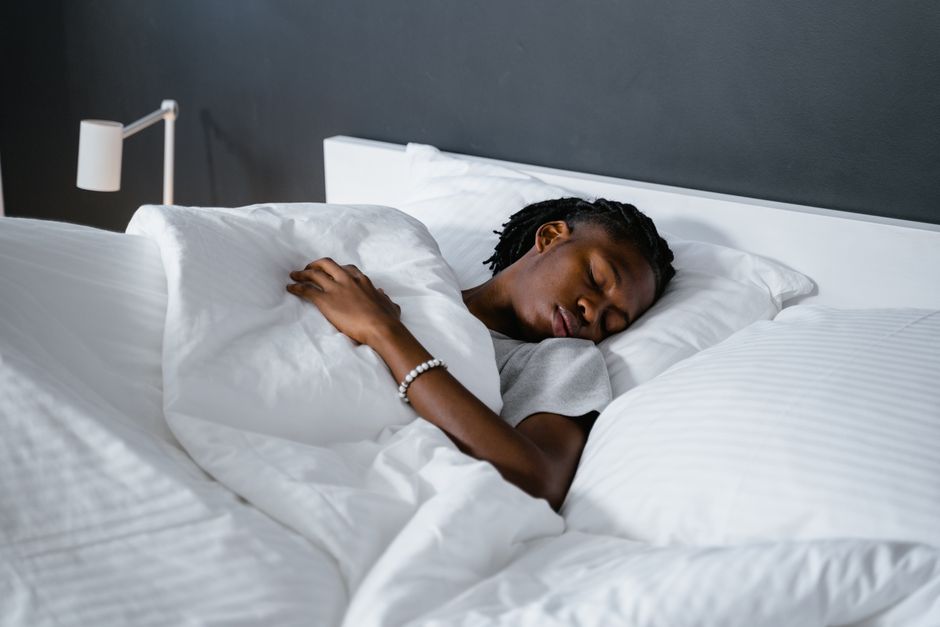
Getting better sleep is not about complicated routines or expensive gadgets. It comes down to a few science-backed habits that most people skip. The most effective approach is to keep a consistent wake-up time, get bright light early in the day, and stop eating at least three hours before bed. These three actions alone fix more sleep problems than any supplement or app.
What Is the Single Most Important Habit for Better Sleep?
A fixed wake-up time every single day is the foundation. Not just on workdays. Weekends too. Your body runs on a 24-hour internal clock called the circadian rhythm. When you wake at the same time daily, that clock stays stable. When you shift it by two or three hours on Saturday, you give yourself a mild version of jet lag.
Research published in the journal Sleep found that irregular sleep schedules are linked to worse metabolic health and lower mood. The effect was independent of how many hours people slept. In other words, sleeping eight hours at inconsistent times is worse than sleeping seven hours at consistent times.
Set one alarm. Get up. Do not hit snooze. Snoozing fragments your sleep and leaves you groggier than if you got up immediately.
Does Light Exposure Really Affect Sleep Quality?
Yes, and more than most people realize. Light is the strongest signal your brain uses to set its internal clock. Morning light tells your brain to stop producing melatonin and start the day. Evening light, especially blue light from screens, delays melatonin release and pushes your bedtime later.
The CDC recommends getting at least 30 minutes of natural light in the morning. This is not a vague suggestion. A study from the University of Colorado found that a week of camping without artificial light shifted participants’ sleep schedules earlier by nearly two hours. Their melatonin levels rose earlier and fell earlier. They fell asleep faster and woke up more refreshed.
You do not need to camp. A 15-minute walk outside within an hour of waking works. On cloudy days, the light outside is still 50 to 100 times brighter than indoor lighting. Open your curtains. Eat breakfast near a window. If you wake before sunrise, a light therapy lamp that delivers 10,000 lux can help.
How To Get Better Sleep Proven Tips That Work for Falling Asleep Faster
Falling asleep is not something you force. It is something you allow. The brain needs to transition from alertness to drowsiness, and that transition takes time. Trying to “make yourself fall asleep” usually backfires.
Temperature drop is one of the most reliable triggers. Your body temperature naturally falls as you prepare for sleep. A cool room helps this happen faster. The National Sleep Foundation recommends a bedroom temperature between 60 and 67 degrees Fahrenheit. If your feet are cold, wear socks. Warm feet dilate blood vessels and help your core cool down faster.
The 20-minute rule works for most people. If you are in bed and not asleep after 20 minutes, get up. Go to another dimly lit room. Read something boring. Do not check your phone. Return to bed only when you feel sleepy again. This prevents your brain from associating the bed with frustration and wakefulness.
Some people report that listening to brown noise or pink noise helps them fall asleep faster. Strong evidence is limited, but there is no harm in trying if the sound is not too loud. Keep any audio at a low volume.

What Foods and Drinks Actually Help or Hurt Sleep?
Caffeine is the most common sleep disruptor that people ignore. It blocks adenosine, the chemical that builds sleep pressure throughout the day. The half-life of caffeine is roughly five hours. That means a 2 PM cup of coffee still has half its caffeine in your system at 7 PM. Some people metabolize caffeine slowly and should stop by noon.
Alcohol is worse than most people think. It helps you fall asleep faster, but it fragments the second half of the night. Your sleep becomes lighter and more disrupted. Research in Alcoholism: Clinical and Experimental Research showed that even moderate drinking before bed reduces REM sleep and increases nighttime awakenings.
Eating a large meal within three hours of bedtime raises your core temperature and forces your digestive system to work when it should be resting. This delays sleep onset and can cause acid reflux. If you need a snack before bed, small portions of foods with tryptophan or magnesium, such as a banana or a handful of almonds, are reasonable choices. The evidence for these individual foods is weak, but they are unlikely to cause harm.
| Substance | Effect on Sleep | Best Timing |
|---|---|---|
| Caffeine | Blocks adenosine, delays sleep onset | None after 2 PM (or noon for slow metabolizers) |
| Alcohol | Reduces REM, increases nighttime awakenings | Avoid within 3 hours of bed |
| Large meals | Raises core temperature, causes reflux | Stop eating 3 hours before bed |
| Melatonin supplements | Modest effect on sleep onset timing | Take 1-3 mg, 1-2 hours before desired bedtime |
Melatonin supplements are widely used, but the evidence is modest. They help most with shifting sleep timing, not with staying asleep. A typical dose of 1 to 3 milligrams taken one to two hours before bed is enough. Higher doses do not work better and can cause grogginess the next day.
Does Exercise Improve Sleep Quality?
Yes, and the effect is substantial. Research published in the Journal of Clinical Sleep Medicine found that regular aerobic exercise reduced the time it took to fall asleep by 55 percent and increased total sleep time by 18 percent in adults with insomnia. The improvement was similar to what some sleep medications achieve, without the side effects.
Timing matters less than most people think. Moderate exercise in the morning or afternoon is ideal. Vigorous exercise within one hour of bedtime can raise your heart rate and body temperature enough to interfere with sleep for some people. But if evening workouts work for you, keep doing them. Individual differences are real.
Strength training and cardio both help. The key is consistency. A 30-minute walk five days a week is more effective than a two-hour run once a week. Movement helps regulate your circadian rhythm and reduces anxiety, which is a common cause of insomnia.
What About Sleep Trackers and Gadgets?
Sleep trackers are entertainment, not medical devices. They estimate sleep stages using movement and heart rate. They do not measure brain activity. A study from the American Academy of Sleep Medicine found that consumer trackers correctly identified sleep versus wake about 78 percent of the time. That sounds decent until you realize they misclassify wake as sleep more often than they should.
Wearing a tracker can help some people notice patterns, like how caffeine or late meals affect their sleep. For others, it creates anxiety about sleep scores and makes the problem worse. If checking your tracker in the morning makes you feel bad about your sleep, stop wearing it.
Weighted blankets have some evidence behind them. A 2020 study in the Journal of Clinical Sleep Medicine found that people who used a weighted blanket reported less insomnia severity and better sleep quality. The weight likely provides deep pressure stimulation, which has a calming effect on the nervous system. A blanket that is roughly 10 percent of your body weight is a reasonable starting point.
What Are the Most Common Sleep Myths People Still Believe?
- You can catch up on sleep over the weekend. This does not fully reverse the metabolic and cognitive effects of chronic sleep loss. Consistency matters more than total hours.
- Warm milk or herbal tea guarantees better sleep. These are comforting rituals, not active treatments. The placebo effect is real, but do not expect a cure.
- Snoring is harmless. Snoring can be a sign of obstructive sleep apnea, a serious condition that increases the risk of heart disease and stroke. If you snore loudly and feel tired during the day, ask your doctor about a sleep study.
- Older adults need less sleep. Adults over 65 still need seven to eight hours. They often get less because of medical conditions or medications, but the need does not decline.
- Alcohol before bed helps you sleep through the night. It helps you fall asleep faster, but it disrupts the second half of the night. You wake up more and get less restorative sleep.
One more myth worth mentioning is that you should “try harder” to sleep. Sleep is not a performance. The more you try to control it, the more it slips away. The best approach is to create the right conditions and then let go.
Frequently Asked Questions
How many hours of sleep do adults really need?
Most adults need seven to nine hours per night. The exact number varies by person, but consistently getting less than six hours increases health risks.
Does melatonin work for everyone?
No. Melatonin helps most with shifting sleep timing, not with staying asleep. It works best for people with delayed sleep phase or jet lag.
Can napping make up for lost sleep at night?
Naps can help but do not fully replace lost nighttime sleep. Keep naps under 30 minutes and avoid napping after 3 PM to protect your nighttime sleep.
What is the best temperature for sleeping?
Most people sleep best in a room between 60 and 67 degrees Fahrenheit. A cooler room helps your body temperature drop, which signals sleep.
