
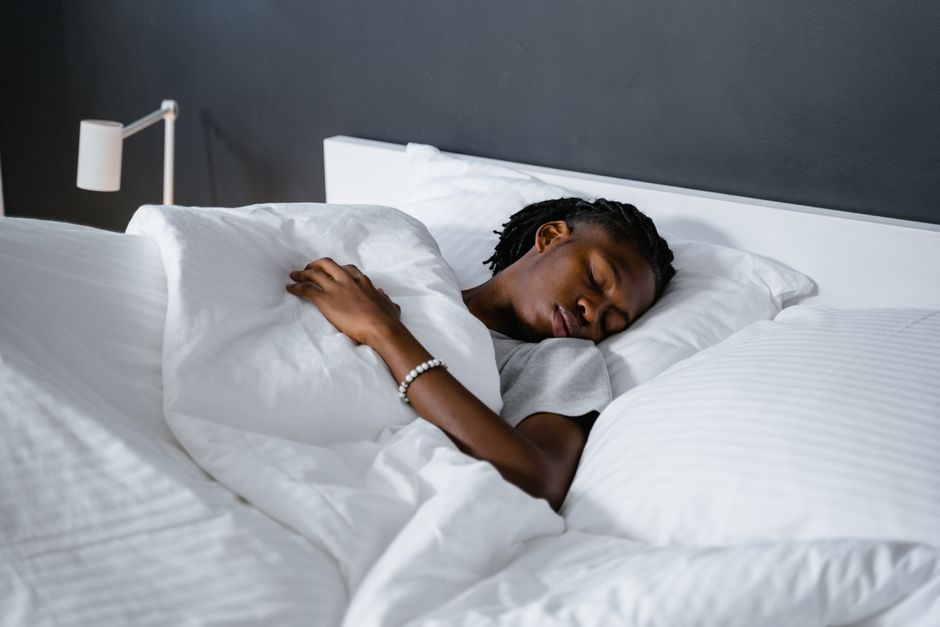
Sleeping lighter at night is not about training yourself to wake up more. It means reducing the things that make sleep feel heavy and unrefreshing — a warm room, a late meal, alcohol, a racing mind — so your body moves through its natural sleep cycles with less disruption. Most people wake up groggy because of what happened in the hours before bed and during the night, not because they are “bad sleepers.” Small, consistent changes to timing, temperature, light, and evening habits do more for morning alertness than most sleep gadgets on the market.
What does “sleeping lighter” actually mean?
Sleep is not one uniform state. Across the night your brain cycles through lighter stages and deeper stages, roughly every 90 minutes. Lighter sleep — stages N1 and N2 — makes up about half of a normal night. Deep sleep (N3) and REM sleep fill the rest.
Waking up easily in the morning depends less on how “light” your sleep was and more on when you wake relative to your sleep cycle. Being pulled out of deep sleep by an alarm tends to produce grogginess, sometimes called sleep inertia. Waking near the end of a cycle, or after the body has naturally surfaced toward lighter sleep, usually feels smoother.
So the goal is not to sleep more lightly. It is to sleep without unnecessary disruption and to wake at a time your body is ready for. That distinction matters because it changes what you actually do about it.
Why do I wake up feeling groggy even after 8 hours?
Time in bed is not the same as sleep quality. Eight hours of broken, warm, or alcohol-disrupted sleep can leave you more tired than seven hours of solid sleep.
Several well-established factors drive morning grogginess:
- Sleep inertia — the normal grogginess that lasts from a few minutes up to about 30 minutes after waking. It is worse when you are woken from deep sleep.
- Alcohol — it helps some people fall asleep faster but fragments sleep later in the night and suppresses REM sleep.
- Room temperature — a bedroom that is too warm interferes with the body’s natural overnight cooling, which is part of how sleep deepens.
- Late or large meals — digestion and reflux can disturb sleep in the second half of the night.
- Inconsistent wake times — your internal clock relies on regularity, and shifting it day to day makes mornings harder.
None of these require a gadget to fix. They are behavioral and environmental, which is also why they respond well to change.
How can I sleep lighter at night and wake up easily?
The core of light, refreshing sleep is a cool, dark, quiet room and a consistent schedule. These are the levers with the strongest evidence behind them.
Keep the bedroom cool. Core body temperature naturally drops as you fall asleep and rises toward morning. A room that is too warm fights this process. Most sleep guidance points to a cooler bedroom, though the “ideal” number varies by person and no single temperature is proven best for everyone. If you wake up sweaty, the room is likely too warm.
Protect your wake time. A fixed wake time, even on weekends, anchors your circadian rhythm more reliably than a fixed bedtime. Your body clock uses morning light and consistent timing to know when to make you alert and when to make you sleepy.
Get bright light soon after waking. Morning light is the strongest signal for setting your internal clock. A few minutes outdoors or near a bright window shortly after you get up helps your body shift toward earlier sleepiness at night. This is one of the better-supported behavioral tools for sleep timing.
Cut alcohol close to bedtime. If you drink, finishing several hours before bed reduces the fragmentation it causes. The effect on sleep architecture is well documented.
Eat lighter and earlier in the evening. A large meal within a couple of hours of lying down increases the chance of reflux and discomfort. A lighter dinner earlier in the evening is gentler on sleep for most people.
Dim the lights in the last hour. Bright light in the evening, especially from screens held close to the face, can delay melatonin release and push your body clock later. Dimming the room and reducing close-up screen time helps signal that the day is ending.





Does alcohol really make sleep worse?
Yes — and this surprises many people. Alcohol is a sedative, so it can shorten the time it takes to fall asleep. That early effect is real.
The problem comes later. As the body metabolizes alcohol through the night, sleep becomes lighter and more fragmented. REM sleep, which is important for memory and mood, is reduced. Many people who drink in the evening report waking in the early hours and struggling to fall back asleep.
This is one of the clearest examples of a habit that feels helpful at the start of the night and works against you by morning. If you notice early-morning waking after drinking, the alcohol is a likely contributor.
What about caffeine and late-night eating?
Caffeine is a stimulant that blocks adenosine, the molecule that builds up during the day and makes you feel sleepy. Its effects can last for hours — longer in some people than others. Afternoon coffee can still be active at bedtime for many adults.
Late eating works differently. A heavy meal close to bedtime can cause reflux, bloating, and discomfort that disturb the second half of the night, when sleep is naturally lighter. Spicy or acidic foods affect some people more than others.
Neither caffeine nor late meals affects everyone equally. The useful approach is to notice your own pattern: if you wake frequently or struggle to fall asleep on days you had late coffee or a big late dinner, that is worth adjusting.
Can a bedtime routine actually help?
A consistent wind-down routine helps many people, but it is worth being honest about what the evidence shows. The strongest support is for regularity and for reducing stimulation before bed — not for any specific ritual.
What tends to help:
- Going to bed and waking at roughly the same times each day
- Dimming lights and reducing screen brightness in the last hour
- Keeping the bedroom dark, quiet, and cool
- A short, calm activity that you repeat — reading, stretching, quiet breathing
What the evidence does not strongly support is the idea that a particular tea, supplement, or pillow will transform your sleep. Some people find these pleasant and relaxing, which has value. But no large trials confirm that most sleep products marketed for “deeper sleep” deliver on that promise.
One clarification worth making: the popular idea that you must complete a set number of sleep cycles or hit an exact “optimal” sleep duration is oversimplified. Sleep needs vary by person and change with age. What matters more is consistency and how you feel during the day.
When should I talk to a doctor about sleep?
Most sleep difficulties respond to the lifestyle changes above. Some do not, and some point to conditions that need medical attention.
Talk to a clinician if you:
- Snore heavily or stop breathing during sleep (possible sleep apnea)
- Fall asleep unintentionally during the day despite enough time in bed
- Have persistent insomnia lasting weeks or longer
- Feel unrested no matter how long you sleep
Sleep apnea in particular is underdiagnosed and is not something lifestyle changes alone will fix. Loud snoring with pauses in breathing, morning headaches, and daytime sleepiness are reasons to get evaluated.
Cognitive behavioral therapy for insomnia (CBT-I) is well established as a first-line treatment for chronic insomnia and is more effective than sleep medication over the long term. If insomnia is your main problem, that is worth asking about.
Frequently Asked Questions
How do I wake up easily in the morning?
Keep a consistent wake time, get bright light soon after rising, and avoid alcohol close to bedtime. These support your body clock and reduce morning grogginess.
Does sleeping in a cold room help you sleep better?
A cooler bedroom supports the body’s natural overnight cooling and helps most people sleep more soundly. There is no single proven ideal temperature, so adjust until you are not waking up too warm.
Why do I wake up at 3 or 4 in the morning?
Early-morning waking is often linked to alcohol, stress, or a disrupted body clock. If it happens regularly, it is worth reviewing evening habits and mentioning it to a doctor.
Is it bad to use my phone before bed?
Bright light close to your face in the evening can delay melatonin release and push your body clock later. Dimming screens or setting them aside in the last hour helps many people.
