
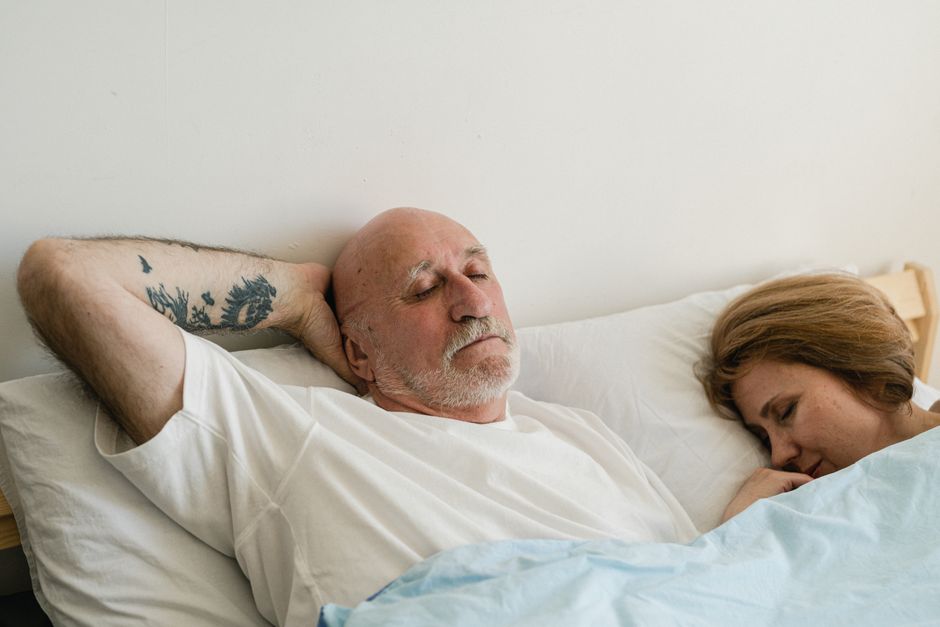
Shingles causes a painful, burning rash that can make even simple activities miserable. Sleep often becomes the hardest part of the night. The pain can spike when your skin touches sheets, and the nerve discomfort does not pause when the lights go off. The goal is to create a sleeping setup that minimizes skin contact, calms nerve pain, and helps your body rest while it fights the virus.
Why Does Shingles Pain Get Worse At Night?
The pain from shingles comes from the varicella-zoster virus damaging nerve fibers. This is not just skin pain. It is nerve pain, which feels like burning, stabbing, or electric shocks. When you lie down, blood flow changes and you have fewer distractions. Your brain focuses on the pain signals instead of the day’s activities.
There is also a biological reason. Your body’s natural anti-inflammatory hormones, called corticosteroids, dip to their lowest levels in the late evening and early night. Lower levels mean less natural pain control. This combination of focused attention and lower hormone protection makes nighttime the peak window for shingles discomfort.
How To Sleep With Shingles: Positioning And Bedding
Your sleeping position matters more than you might think. The rule is simple: keep the rash from touching anything. If the rash is on your back, sleep on your side or stomach. If it is on your side, sleep on your opposite side or back. If it is on your face or scalp, use a soft, clean pillowcase and try sleeping on your back.
For rashes on the torso or back, consider building a pillow barrier. Place pillows behind your back to prevent rolling onto the affected area during the night. This is not just comfort — it prevents the friction that can irritate blisters and slow healing.
Loose, breathable cotton pajamas are usually best. Tight fabrics rub against the blisters and trap heat, which increases itching and pain. Some people find that sleeping without clothing over the rash works better, but only if you can keep the area clean and protected from sheets. If you choose this route, use a clean sheet and change it daily to reduce infection risk.
For rashes on the legs or arms, a simple trick works well. Place a clean, soft towel or a loose cotton sleeve over the area. This creates a barrier between the rash and the sheets while still allowing air circulation.
Cooling The Skin Before Bed
Heat makes shingles pain worse. The nerve fibers are already overactive, and heat adds another layer of irritation. Cooling the area before bed can reduce pain signals and make it easier to fall asleep.
A cool compress applied for 10 to 15 minutes before bed can help. Use a clean cloth soaked in cool water, not ice directly on the skin. Ice can damage skin that is already fragile from blisters. Some people find that a cool bath before bed helps, but keep it short — long baths can dry the skin and increase itching.
Your bedroom temperature also matters. Keeping the room cooler than usual, around 65 to 68 degrees Fahrenheit, can help reduce nighttime pain flares. This is a simple environmental change that costs nothing and can make a meaningful difference.




Over-The-Counter Options For Nighttime Relief
Several over-the-counter products can help with nighttime shingles pain. The evidence for these varies, so it helps to know what works and what does not.
Capsaicin cream is derived from chili peppers. It works by depleting substance P, a chemical that transmits pain signals to the brain. Some research supports its use for nerve pain, but it burns when first applied. Do not use it on broken or oozing blisters. Apply it only to intact skin during the day first to test your tolerance.
Lidocaine patches are available over the counter in some forms. Lidocaine numbs the skin surface by blocking sodium channels in nerve endings. These can be effective for localized pain, but read the label carefully. Do not use them on broken skin or combine them with heat, which increases absorption and can lead to side effects.
Calamine lotion helps with itching but does little for deep nerve pain. It can dry out blisters, which may help them heal faster, but it is not a pain reliever for the burning sensation.
Antihistamines like diphenhydramine (Benadryl) can help with itching. Some people find the drowsiness side effect useful at bedtime. However, they do not address nerve pain directly. Use them only if itching is your primary nighttime complaint.
Oral pain relievers like acetaminophen or ibuprofen can help with mild to moderate pain. They do not target nerve pain specifically, but they reduce inflammation and general discomfort. Follow the dosing instructions on the label and do not exceed the recommended daily limit.
Prescription Treatments That Target Nerve Pain
If over-the-counter options are not enough, prescription medications are often needed. These target nerve pain directly rather than just masking it.
Gabapentin and pregabalin are anti-seizure medications that also work for nerve pain. They calm overactive nerve signals in the brain and spinal cord. Many people find these are the most effective options for shingles pain. Doses are typically started low and increased gradually. Drowsiness is a common side effect, which can actually help with sleep, but it can also be excessive.
Amitriptyline or nortriptyline are tricyclic antidepressants used for nerve pain at doses lower than those used for depression. They affect serotonin and norepinephrine levels, which influence pain perception. These can cause dry mouth and drowsiness, so they are often taken at bedtime.
Antiviral medications like acyclovir, valacyclovir, and famciclovir do not relieve pain directly. They stop the virus from multiplying, which shortens the outbreak and may reduce the risk of long-term nerve pain called postherpetic neuralgia. Starting these within 72 hours of the rash appearing gives the best results.
These are prescription medications. You need to discuss them with a doctor, who will determine the right option based on your pain level, medical history, and other medications you take.
Do Not Scratch: Managing Itching Without Making Pain Worse
Scratching shingles blisters is one of the worst things you can do. It breaks the skin, increases infection risk, and can lead to scarring. It also does not relieve the underlying nerve pain — it only adds a different sensation on top of it.
Instead of scratching, try gentle pressure. Pressing on the area with a clean hand or a cool cloth can satisfy the urge to itch without damaging the skin. Keeping fingernails short reduces the damage if you scratch during sleep. Some people wear cotton gloves to bed, which prevents direct nail contact with the blisters.
If itching keeps you awake, apply calamine lotion or a cool compress before bed. Keep the area clean and dry during the day to reduce the itch trigger.
When To Seek Medical Help
Shingles is not always a condition you can manage at home. Seek medical attention if the rash appears near your eyes, on your nose tip, or on your forehead. Shingles near the eye can threaten vision and requires immediate treatment.
See a doctor if the rash spreads widely, if you develop a fever, or if the pain becomes severe despite over-the-counter treatments. People over 60, pregnant women, and people with weakened immune systems should seek medical care early because they have a higher risk of complications.
If the pain lasts more than a few weeks after the rash heals, this may be postherpetic neuralgia. This condition can persist for months or even years. Early antiviral treatment reduces the risk, but not all cases are preventable. If you are experiencing this, talk to a doctor about nerve pain management options.
Sleep Hygiene During A Shingles Outbreak
Good sleep hygiene matters even more when you are in pain. Your body needs sleep to fight the infection and repair nerve tissue. A consistent bedtime routine signals your brain that it is time to rest.
Keep a regular sleep schedule, even on weekends. Avoid caffeine in the afternoon and evening. Limit screen time for an hour before bed — the blue light from screens suppresses melatonin, your sleep hormone. Keep your bedroom dark and quiet.
If you cannot sleep after 20 to 30 minutes, get out of bed. Sit in a chair, read a book, or do a quiet activity until you feel sleepy. This prevents your brain from associating the bed with frustration and pain. It is a standard technique used in cognitive behavioral therapy for insomnia, and it applies here too.
Frequently Asked Questions
Can I sleep on the side where the shingles rash is?
No, avoid sleeping on the affected side. Pressure and friction on the rash increase pain and can irritate the blisters.
Is it safe to use a heating pad for shingles pain at night?
No, heat generally makes shingles nerve pain worse. Use cool compresses instead to calm the overactive nerve signals.
How long does shingles pain last at night?
Acute shingles pain typically lasts 2 to 4 weeks, but nighttime pain can persist longer if postherpetic neuralgia develops.
Can I take melatonin with shingles pain medication?
Melatonin is generally safe, but check with your doctor or pharmacist first because it can interact with some prescription pain medications.
