
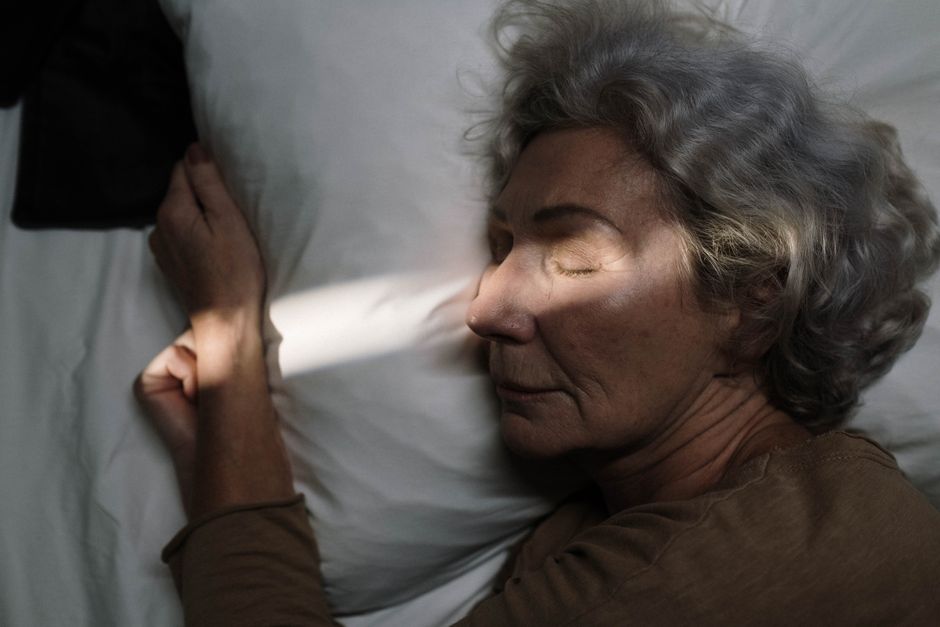
Sleeping after microneedling comes down to one main rule: keep your face off the pillow. The treatment creates thousands of microscopic channels in your skin, and for the first 24 to 48 hours those channels are open. Pressure, friction, and bacteria from a pillowcase can irritate the skin, push products deeper than intended, or increase the risk of infection. The safest position is sleeping on your back with your head slightly elevated, using a clean silk or satin pillowcase if you tend to move during the night.
Why Does Sleep Position Matter After Microneedling?
Microneedling works by creating controlled micro-injuries. Your skin responds by producing collagen and elastin to repair those tiny wounds. During the first night, those channels are still physically open. The skin barrier is disrupted, which means it is more vulnerable to irritation and contamination.
When you sleep on your side or stomach, your face presses directly into the pillow. That pressure can flatten the micro-channels and push any residual serum or bacteria deeper into the dermis. It can also cause redness and swelling to last longer because blood flow is restricted in the compressed area. Sleeping on your back avoids all of this by keeping your face free of contact.
How Long Do You Need To Sleep On Your Back?
Most dermatologists recommend back sleeping for at least 48 hours after treatment. Some clinics advise a full week, especially if you had deeper treatments or used a device with longer needles. The skin usually closes its surface channels within 24 hours, but the underlying inflammation and repair process continues for days.
If you cannot sleep on your back for the full week, aim for the first two nights. Those are the nights when the skin is most vulnerable. After 48 hours, the risk of contamination drops significantly, though the skin may still be sensitive to pressure.
How To Position Yourself For Back Sleeping
Back sleeping feels unnatural for many people. It takes practice, and you may wake up on your side without realizing it. A few simple tricks can help you stay put.
- Use a U-shaped travel pillow or a cervical pillow. These cradle your head and make it uncomfortable to turn onto your side.
- Place pillows on either side of your body. They act as a physical barrier that discourages rolling over.
- Elevate your head with an extra pillow. Keeping your head above your heart reduces swelling and helps the skin settle.
- Keep your hair tied back. Loose hair can brush against your face and transfer oils or product residue.
These strategies are not complicated, but they do require commitment. If you wake up on your side, simply reposition and go back to sleep. Consistency matters more than perfection.





What Pillowcase Material Is Safest?
Silk and satin pillowcases are the standard recommendation after microneedling. These fabrics are smooth and create less friction against the skin than cotton. Cotton can absorb moisture and pull at the skin when you move, which is exactly what you want to avoid during the healing process.
Silk also has a lower tendency to harbor bacteria compared to some synthetic fabrics, though the difference is modest. What matters most is that your pillowcase is clean. Change it the night of your treatment and again the next night. A fresh pillowcase removes the risk of old oils, dead skin cells, and bacteria pressing into your open micro-channels.
How To Sleep After Microneedling Without Damaging Skin If You Move At Night
Some people simply cannot stay on their back. If you are a restless sleeper, you need a backup plan. The most practical option is to create a barrier between your face and the pillow that is gentle and clean.
A soft, clean towel laid over your pillowcase can work in a pinch, but it is not ideal. Towels are absorbent and can stick to the skin. A better option is a dedicated silk pillowcase that you wash before use. Some people also use a clean, soft cotton t-shirt over their pillow, though this is less smooth than silk.
If you know you are a side sleeper, consider asking someone to help you stay on your back for the first night. A simple reminder from a partner when you roll over can make a real difference. For most people, the first night is the only one where strict back sleeping is essential.
Can You Apply Skincare Products Before Bed?
Yes, but only what your provider instructed. Immediately after microneedling, your skin is treated with a soothing serum, usually hyaluronic acid. That is typically all you need for the first night.
Do not apply retinol, vitamin C, alpha-hydroxy acids, or any active exfoliants before bed. These ingredients can penetrate deeper than intended through the open channels and cause severe irritation, redness, or even chemical burns. The same applies to heavy creams or occlusive ointments that trap heat and bacteria under the skin.
Your provider may give you a specific post-care product. Use only that product and nothing else. If you are unsure what to apply, call your clinic and ask. It is better to under-treat the skin than to over-treat it.
When Can You Return To Your Normal Sleep Position?
Most people can resume side or stomach sleeping after 48 to 72 hours. By that point, the surface of the skin has closed, and the risk of bacteria entering the channels is low. The skin may still feel tender or tight, but normal sleep positions will not cause lasting damage.
If you had a deep treatment, such as microneedling with radiofrequency or a device with needles longer than 1.5 mm, your provider may recommend a longer period of back sleeping. Follow their specific advice. They know the depth of your treatment and can give you a timeline that matches your procedure.
What To Do If You Wake Up On Your Side
Do not panic. Waking up on your side once is not going to ruin your results. The skin is resilient, and a single night of side sleeping is unlikely to cause infection or scarring in most people.
In the morning, gently cleanse your face with lukewarm water and a mild, fragrance-free cleanser. Pat it dry with a clean towel. Do not rub. Then apply your post-care serum as directed. Watch for signs of trouble, such as increased redness, swelling, oozing, or pain. If any of these appear, contact your provider.
Some redness and mild swelling are normal for the first 24 hours. What you are watching for is a sudden increase in symptoms, which could indicate irritation or infection. Most people experience no complications even if they roll over during the night.
Does Elevating Your Head Really Help?
Yes. Elevating your head reduces blood flow to the face, which decreases swelling. Swelling is a normal part of the healing response, but it can be uncomfortable and can make the skin look worse than it is. Sleeping with your head elevated on two pillows helps the lymphatic system drain fluid away from the face.
This is the same principle used after facial surgery. It is not a marketing trick. Keeping your head above your heart for the first two nights can noticeably reduce puffiness in the morning.
Other Things To Avoid During The First Night
Alcohol is one of the most common mistakes people make after microneedling. Alcohol thins the blood and increases swelling and bruising. It also dehydrates the skin, which slows the healing process. Avoid alcohol for at least 24 hours after treatment.
Hot showers and saunas are also off-limits for the first 24 to 48 hours. Heat opens blood vessels and increases inflammation. The same applies to vigorous exercise, which raises your heart rate and blood pressure. Keep your evening routine calm and cool.
Do not touch your face more than necessary. Your hands carry bacteria, and your skin has open channels. If you need to apply a product, wash your hands first and use a clean applicator if possible.
How To Sleep After Microneedling Without Damaging Skin: The Bottom Line
Back sleeping on a clean silk pillowcase with your head elevated is the safest position for the first 48 hours after microneedling. It prevents friction, reduces swelling, and keeps bacteria away from open micro-channels. If you move during the night, reposition yourself and continue the next night. One slip-up is not the end of your results.
Follow your provider’s aftercare instructions, keep the skin clean and moisturized, and avoid active ingredients until your skin has closed. The healing process takes time, but the habits you follow in the first few nights set the stage for the final outcome.
Frequently Asked Questions
Can I sleep on my side the night after microneedling?
It is not recommended. Sleeping on your side presses your face into the pillow, which can irritate open micro-channels and increase swelling. Try to sleep on your back for at least the first 48 hours.
How many hours after microneedling can I sleep?
You can sleep as soon as you feel ready after the treatment. Just make sure you position yourself on your back with a clean pillowcase before you go to sleep.
What happens if I accidentally sleep on my face after microneedling?
One night of side sleeping is unlikely to cause serious damage. Cleanse your face gently in the morning and watch for increased redness, swelling, or pain. Contact your provider if symptoms worsen.
Should I wash my face in the morning after microneedling?
Yes, but gently. Use lukewarm water and a mild, fragrance-free cleanser. Pat the skin dry with a clean towel and apply your post-care serum as directed.
