
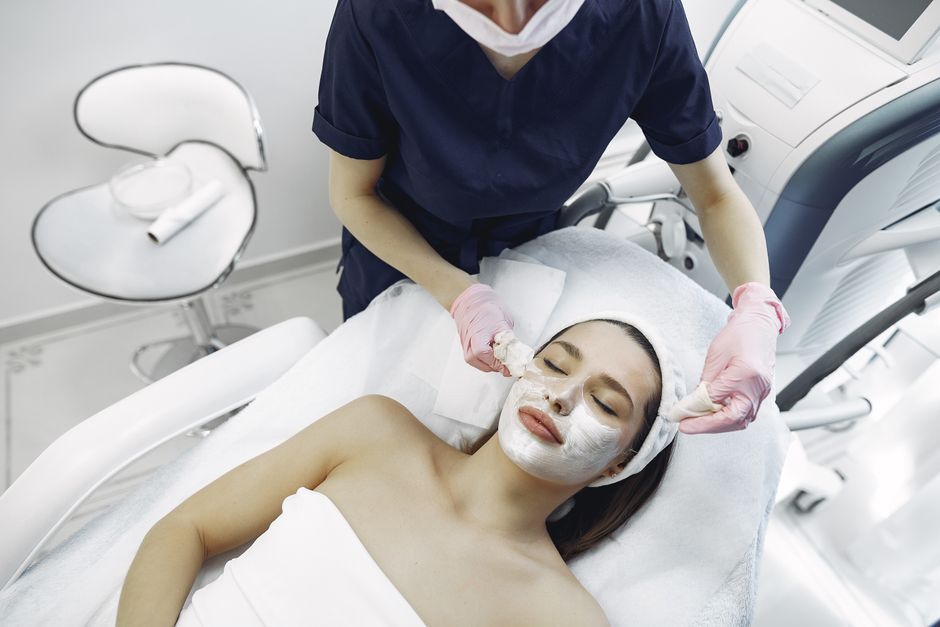
RF microneedling combines tiny needle punctures with radiofrequency energy to tighten skin, reduce wrinkles, and improve texture. The needles create controlled micro-injuries that trigger your skin’s natural healing response while the radiofrequency heat stimulates collagen and elastin production deep in the dermis. This dual-action process makes it different from standard microneedling, which relies solely on the needle injury without added heat energy.
How Does RF Microneedling Actually Work on Your Skin?
The device uses a handpiece with multiple fine needles that penetrate the skin at a set depth. These needles deliver radiofrequency energy directly into the dermis — the middle layer of your skin where collagen and elastin live. The energy heats the tissue to about 60-65 degrees Celsius, which is hot enough to tighten existing collagen fibers and signal your body to make new ones.
Standard microneedling only creates the puncture wounds. RF microneedling adds thermal energy at the needle tip, which gives a second stimulus for collagen production. The needles are insulated so the heat stays at the targeted depth and does not burn the surface of your skin. This is a key safety feature that sets it apart from older radiofrequency devices that heated the surface directly.
Your skin responds to both the injury and the heat by sending fibroblasts to the area. Fibroblasts are the cells that produce collagen and elastin. Over the next several months, new collagen fibers form and reorganize, leading to firmer, smoother skin. The process is not instant — most people see gradual improvement over three to six months after a series of treatments.
What Does RF Microneedling Do For Your Skin That Other Treatments Cannot?
RF microneedling targets two problems at once: loose skin and surface texture issues. Standard microneedling improves scars and pores but does little for skin laxity. Laser resurfacing tightens skin but carries higher risk for darker skin tones because it targets pigment. RF microneedling avoids the pigment issue because the energy is delivered below the pigment layer.
Research published in the Journal of the American Academy of Dermatology found that RF microneedling significantly improved skin laxity in the lower face and neck after three sessions. The same study reported improvement in fine lines and overall skin texture. These results are harder to achieve with standard microneedling alone because the thermal effect drives more collagen remodeling.
Another advantage is the ability to treat multiple skin types safely. People with Fitzpatrick skin types IV through VI — which includes many people with olive, brown, or Black skin — can get RF microneedling with lower risk of hyperpigmentation compared to ablative lasers. The needles bypass the skin surface, so there is less heat damage to the epidermis where pigment cells live.
What Skin Concerns Does RF Microneedling Address Best?
The strongest evidence supports RF microneedling for skin tightening, particularly on the face, neck, and jawline. Many people seek it for jowls or a less defined jawline. The collagen tightening effect can give a subtle lift without surgery. It is not as dramatic as a facelift, but it is a non-surgical option with minimal downtime.
Acne scars respond well to RF microneedling, especially rolling and boxcar scars that have a wavy or depressed appearance. The combination of needle injury and heat breaks up fibrous scar tissue and stimulates new collagen to fill in the depressions. A 2020 review in Dermatologic Surgery found that RF microneedling produced comparable or better results than standard microneedling for acne scars after three to five sessions.
Fine lines and wrinkles around the eyes and mouth also improve. The collagen boost thickens the skin over time, which softens the appearance of lines. Some people use it for enlarged pores on the nose and cheeks. The heat shrinks the oil glands slightly and the collagen tightens the pore openings. Results for pores are modest but noticeable with repeated treatments.
Stretch marks on the abdomen, thighs, or arms are another target. The needles reach the deeper scar tissue while the heat stimulates remodeling. Evidence here is less robust than for facial concerns, but some studies show improvement in stretch mark texture and color after several sessions.




What Is the Treatment Experience and Recovery Like?
A typical session takes 30 to 60 minutes depending on the area treated. A numbing cream is applied 30 to 45 minutes before the procedure. Most people describe the sensation as mild pricks with a feeling of heat when the radiofrequency energy is delivered. The discomfort is manageable for most patients.
After the treatment, your skin will look red and feel warm, similar to a moderate sunburn. Some swelling is normal, especially around the eyes. These effects usually peak within 24 hours and start to fade within two to three days. Tiny pinpoint scabs may appear where the needles entered, but they typically fall off within a week.
You can wear makeup the next day in most cases. Strenuous exercise, saunas, and direct sun exposure should be avoided for about one week. Sunscreen is critical during the healing phase because new collagen is vulnerable to UV damage. Most people need three sessions spaced four to six weeks apart for optimal results. Maintenance treatments once or twice a year help sustain the effects.
What Are the Side Effects and Risks You Should Know?
The most common side effects are temporary redness, swelling, and pinpoint bleeding. These resolve on their own within a few days. Some people develop small bumps or whiteheads from the numbing cream or the heat stimulating oil glands. These clear up with gentle cleansing and time.
More serious risks are rare but possible. Infection can occur if the device is not properly sterilized. Bruising is possible if a blood vessel is hit, but it resolves within one to two weeks. Scarring is extremely rare when the procedure is done correctly by an experienced provider. There is no evidence of long-term damage to skin structure or function.
People with active acne, open wounds, or skin infections in the treatment area should wait until the skin clears. Those with a history of keloid scarring should approach RF microneedling with caution. Pregnant women are typically advised to avoid it because the safety data is absent, not because there is known harm.
How Does RF Microneedling Compare to Other Skin Tightening Options?
| Treatment | Main Mechanism | Best For | Downtime | Skin Tone Safety |
|---|---|---|---|---|
| RF Microneedling | Needle injury + heat | Laxity, scars, texture | 2-3 days redness | All skin types |
| Standard Microneedling | Needle injury only | Scars, pores | 1-2 days redness | All skin types |
| Ablative Laser | Removes skin layers | Deep wrinkles, sun damage | 1-2 weeks | Higher risk for darker skin |
| Non-ablative Laser | Heat below surface | Fine lines, redness | Minimal | Lower risk for darker skin |
| Ultrasound (Ultherapy) | Focused ultrasound heat | Lifting brows, neck | Minimal | All skin types |
The table shows that RF microneedling sits between standard microneedling and lasers in terms of intensity and downtime. It offers more tightening than standard microneedling but less risk than ablative lasers. For people with darker skin who want tightening and texture improvement, it is often the safest effective option.
What Should You Look for in a Provider?
The most important factor is the person performing the treatment, not the device brand. Look for a board-certified dermatologist or plastic surgeon with experience in RF microneedling. Ask how many procedures they have done and request to see before-and-after photos of patients with similar skin type and concerns.
Be wary of providers who offer extremely low prices or promise dramatic results after one session. RF microneedling requires multiple treatments for meaningful change. A reputable provider will explain that results are gradual and cumulative. They will also discuss realistic expectations and potential side effects without downplaying them.
The device matters too, but less than the operator. Common brands include Morpheus8, Potenza, and Infini. Each has slightly different needle depth capabilities and energy delivery patterns. A good provider will adjust settings based on your skin thickness, concern area, and pain tolerance. One-size-fits-all treatment is a red flag.
Common Misconceptions About RF Microneedling
Myth: It is painless. Most people feel some discomfort despite numbing cream. The heat sensation can be surprising. If a provider claims zero pain, they are likely downplaying the experience.
Myth: One session is enough. Clinical studies consistently show that three sessions produce optimal results. One session will give some improvement but not the full effect. Maintenance sessions are needed to sustain collagen levels.
Myth: It works for everyone equally. Results vary by age, skin condition, and lifestyle. Younger skin with good elasticity responds better. Smokers and people with significant sun damage may see less improvement because their skin has less capacity to produce new collagen.
Myth: It replaces a facelift. RF microneedling provides mild to moderate tightening. It cannot correct significant sagging or excess skin. It is a maintenance tool or a mild corrective option, not a surgical alternative.
Frequently Asked Questions
How many RF microneedling sessions do I need?
Most people need three sessions spaced four to six weeks apart for optimal results. Some people benefit from a fourth session depending on their skin concerns.
Does RF microneedling hurt?
Numbing cream is applied before treatment so most people feel mild pricks and heat rather than sharp pain. The sensation is tolerable for the vast majority of patients.
Can RF microneedling be done on dark skin?
Yes, it is safe for all skin types because the energy is delivered below the pigment layer. The risk of hyperpigmentation is lower than with lasers.
How long do RF microneedling results last?
Results typically last 12 to 18 months with proper skincare and sun protection. Annual maintenance sessions help extend the effects.
