
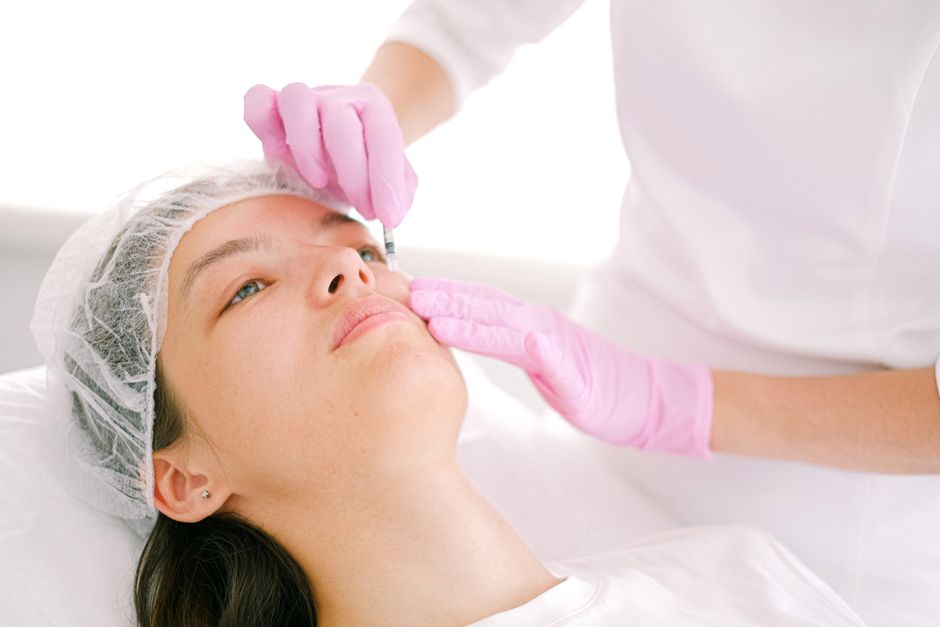
Microneedling and Botox do different jobs, and neither one is better at everything. Botox relaxes the muscles that cause dynamic wrinkles, like crow’s feet and forehead lines. Microneedling creates controlled micro-injuries in the skin to trigger collagen production, which can improve texture, scars, and fine lines over time. The right choice depends on what you want to change, how much downtime you can accept, and how you feel about repeated maintenance.
Both are real procedures with real evidence behind them. Both also carry risks, and the marketing around each one runs well ahead of the science. Here is an honest breakdown of what each does, what the research supports, and where the limits are.
What Does Botox Actually Do to Your Skin?
Botox is a brand name for botulinum toxin type A, a purified protein that temporarily blocks nerve signals to the muscles where it is injected. When those muscles can no longer contract forcefully, the skin above them stops folding into the same creases. Lines that appear only when you make an expression, called dynamic wrinkles, soften or fade.
The effect is temporary. Muscle function gradually returns, and the treated lines typically reappear within about three to four months. That timeline is well established in clinical use. Repeat treatments maintain the result.
What Botox does not do is change skin quality. It will not tighten loose skin, smooth acne scars, shrink pores, or even out pigmentation. Static wrinkles, the ones visible even when your face is at rest, respond less well because they involve structural changes in the skin itself, not just muscle movement. Some clinicians use Botox alongside other treatments for this reason.
Side effects are usually mild and short-lived: small bruises, mild headache, or a heavy feeling in the treated area. More serious problems are uncommon but documented. These include eyelid drooping when the toxin spreads slightly beyond the target area, and, rarely, difficulty swallowing or breathing. The risk of these is higher when large doses are used for medical conditions rather than cosmetic doses, but it exists. Botox is not recommended during pregnancy or breastfeeding, and no clinical guidelines establish its safety in those groups.
What Does Microneedling Actually Do to Your Skin?
Microneedling uses a device studded with fine needles to create thousands of tiny punctures in the skin’s surface. These are shallow, controlled injuries. The skin responds with a wound-healing cascade that includes new collagen and elastin production. Over weeks to months, that remodeling can improve the appearance of fine lines, skin texture, and some scars.
The evidence is strongest for acne scarring. Multiple studies and reviews have found meaningful improvement in atrophic acne scars after a series of microneedling sessions. Results for general skin rejuvenation and fine lines are positive but less robust, and many studies are small or lack a comparison group.
Microneedling is not a muscle treatment. It cannot relax a frown line. It works on the skin’s structure, so it suits texture problems, mild laxity, and early photoaging better than deep expression lines.
One clarification worth knowing: at-home dermal rollers are not the same as in-office devices. Clinical microneedling uses needles that penetrate deeper and is done under controlled conditions. At-home rollers penetrate less, and their evidence for meaningful collagen remodeling is thin. They also carry a real risk of irritation or infection if not kept clean.
Is Microneedling Better Than Botox For Your Skin?
Neither is better in general. The comparison only makes sense once you name the problem you want to fix.
For dynamic wrinkles, meaning lines that appear when you frown, squint, or raise your brows, Botox has the stronger and more direct evidence. It targets the cause, which is muscle movement, and results are visible within days.
For acne scars, skin texture, enlarged pores, and mild sun-related aging, microneedling is the more relevant option. Botox does nothing for these concerns. This is where the two treatments are not really competitors at all.
For static wrinkles and overall skin quality, the evidence is more mixed. Microneedling can help, but results build slowly and vary between people. Some clinicians combine the two, using Botox for movement lines and microneedling for surface quality. That combination is common in practice, though large trials comparing the combined approach to either alone are limited.
| Feature | Botox | Microneedling |
|---|---|---|
| Target | Muscle movement | Skin structure and collagen |
| Best for | Dynamic wrinkles | Scars, texture, fine lines |
| Onset of results | Days | Weeks to months |
| Duration | About 3 to 4 months | Results build with a series; maintenance varies |
| Downtime | Minimal | Redness for a few days, longer with deeper treatment |
| Main risk | Bruising, rare eyelid droop | Irritation, infection, pigment changes |




Which One Has Stronger Evidence Behind It?
Botox has decades of clinical research behind it for facial wrinkles, and its mechanism is well understood. Its effects on dynamic lines are consistent and reproducible across studies.
Microneedling has solid evidence for acne scarring and reasonable evidence for skin rejuvenation, but the research base is smaller and more variable. Studies differ in device type, needle depth, number of sessions, and how results are measured. That makes it harder to state a single expected outcome.
Neither procedure has strong evidence for reversing significant skin laxity or deep structural aging. Anyone promising dramatic lifting from either one is overstating what the data show.
What Are the Risks and Who Should Avoid Each?
Botox risks include bruising, headache, and, uncommonly, eyelid drooping or asymmetry. These usually resolve as the toxin wears off. People who are pregnant, breastfeeding, or have certain neuromuscular conditions should not use it. Anyone with a skin infection at the injection site should wait.
Microneedling risks include redness, swelling, and mild bleeding during treatment, plus a small risk of infection or pigment changes, particularly in people with darker skin tones. It should be avoided over active acne, eczema, or infected skin. People with a history of keloid scarring or who are on blood thinners should discuss risks with a clinician first.
Both procedures should be done by trained professionals. Unregulated devices and unqualified practitioners raise the risk of complications, and this is a genuine concern with microneedling in particular, where at-home and salon treatments have proliferated.
How Should You Decide Between Them?
Start with the specific concern. If your main issue is lines that appear when you make expressions, Botox is the more targeted tool. If it is scarring, texture, or pores, microneedling is the more relevant option.
Consider your tolerance for downtime and maintenance. Botox needs repeat sessions roughly every three to four months. Microneedling usually requires a series of sessions spaced weeks apart, with results that build gradually.
Consider your budget over a year, not per session, since both require ongoing treatment to maintain results. And consider a consultation with a qualified clinician who can assess your skin directly. What works for one person’s skin may not suit another’s, and no article can replace an in-person assessment.
Frequently Asked Questions
Can microneedling replace Botox?
No, microneedling cannot replace Botox for dynamic wrinkles because it does not affect muscle movement. It can improve skin texture and scars, which Botox does not address.
Which is safer, microneedling or Botox?
Both are generally well tolerated when performed by trained professionals, but they carry different risks. Botox can cause bruising or rare eyelid drooping, while microneedling can cause irritation, infection, or pigment changes.
How long do microneedling results last compared to Botox?
Botox results typically fade within about three to four months and require repeat treatment. Microneedling results build over a series of sessions and can last longer, though maintenance varies by person and no fixed timeline applies to everyone.
Can you do microneedling and Botox together?
Yes, some clinicians combine them, using Botox for expression lines and microneedling for skin quality. Large trials comparing the combination to either treatment alone are limited, so discuss timing and sequencing with a qualified clinician.
