
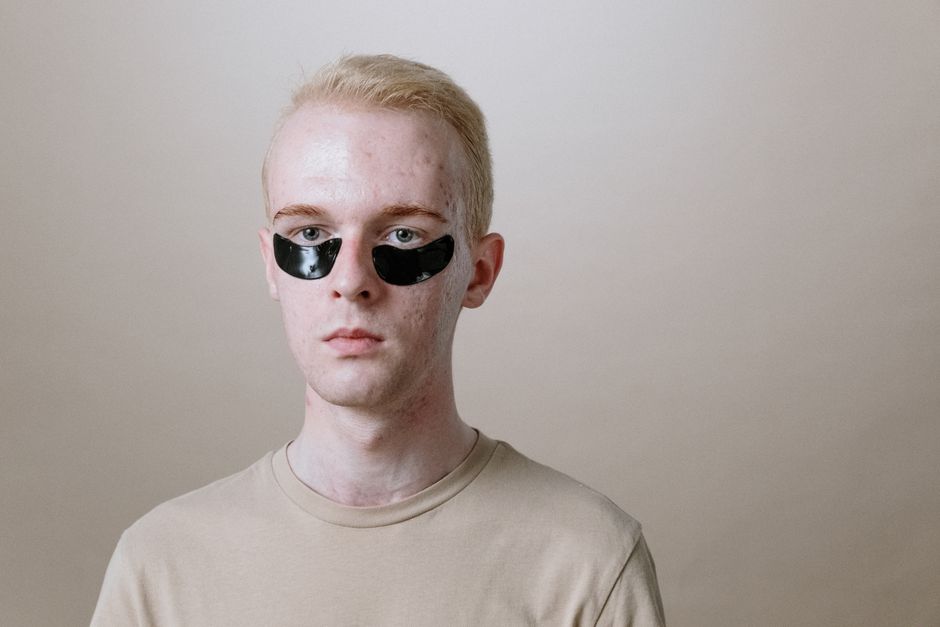
Squeezing a pimple is the worst thing you can do. It pushes bacteria deeper into your skin, makes redness worse, and often leaves a dark mark or scar that lasts for weeks. The good news is you do have options. You can reduce swelling and redness overnight with simple, proven methods. The goal is not a completely clear face by morning — that is not realistic. The goal is a pimple that is smaller, flatter, and far less noticeable.
Why Does a Pimple Look So Big and Red?
A pimple is an inflamed pocket of oil, dead skin cells, and bacteria inside a pore. Your immune system reacts to the bacteria by sending white blood cells and extra blood flow to the area. That extra blood flow is what causes the redness and swelling.
Everything you do overnight should focus on reducing that inflammation. When the swelling goes down, the pimple looks smaller. When blood flow to the area calms down, the redness fades. You cannot remove the blockage inside the pore in a few hours, but you can make the visible reaction much less obvious.
How To Shrink Pimples Overnight Without Squeezing
The most effective overnight strategy is a spot treatment containing benzoyl peroxide or salicylic acid. Both are proven acne fighters, but they work differently.
Benzoyl peroxide kills the bacteria that cause acne and helps dry out the pimple. It is the strongest option for a red, swollen pimple. Salicylic acid works by loosening the plug of dead skin and oil inside the pore. It is gentler and better for a pimple that has not come to a head yet.
Apply a thin layer of one product directly to the pimple only. Do not rub it over the whole face. Leave it on overnight and wash it off in the morning. Use only one active ingredient at a time. Combining them can irritate your skin and make the redness worse.
What About Ice and Cold Compresses?
Cold reduces swelling. This is not a myth — it works. Wrap an ice cube or a cold pack in a clean cloth and hold it against the pimple for 5 to 10 minutes. You can do this a few times throughout the evening.
The cold narrows the blood vessels in the area, which reduces the redness and puffiness. It does not treat the bacteria or clear the pore, so it is not a cure. But it is a safe, fast way to make a pimple less angry-looking before bed.
Never put ice directly on your skin. The extreme cold can damage tissue. Always use a thin cloth barrier between the ice and your face.




Can Toothpaste Shrink a Pimple Overnight?
No. This is a popular home remedy, but it is not a good one. Toothpaste contains ingredients that can dry out a pimple, but it also contains flavorings, detergents, and other chemicals that irritate the skin.
Applying toothpaste to a pimple often causes more redness, peeling, and dryness than it helps. It can also disrupt your skin barrier, which makes future breakouts more likely. There is no evidence that toothpaste is an effective acne treatment. Skip it.
What About Tea Tree Oil?
Tea tree oil has antibacterial and anti-inflammatory properties. Some research suggests it can help with mild acne. However, the evidence is not as strong as it is for benzoyl peroxide or salicylic acid, and results vary from person to person.
If you want to try it, use it safely. Tea tree oil is very strong and must be diluted. Never apply it directly to your skin. Mix one drop of tea tree oil with several drops of a carrier oil like jojoba or a gentle moisturizer. Apply it to the pimple only. If you notice burning or itching, wash it off immediately and stop using it.
Should You Use a Pimple Patch?
Hydrocolloid patches are a good tool for a specific type of pimple. They work best on a pimple that has already come to a head — meaning you can see a white or yellow center. The patch absorbs fluid from the pimple overnight and creates a protective barrier so you do not touch it.
On a red, swollen pimple with no head, a hydrocolloid patch does not do much. It will not draw out the blockage and it will not reduce inflammation. Some patches contain salicylic acid or other active ingredients, which can help, but the patch itself is mainly physical protection.
If you have a pimple with a visible head, a plain hydrocolloid patch is a safe, effective choice. If you have a deep, blind pimple, save your money and use a spot treatment instead.
What Should You Not Do Tonight?
Do not pop, squeeze, or pick at the pimple. This is the single most important rule. Squeezing pushes bacteria deeper into the pore, which can cause a bigger, more painful pimple. It also damages the skin, leading to dark spots and scars that take months to fade.
Do not scrub your face vigorously. Aggressive scrubbing irritates the skin and increases inflammation. Wash your face gently with a mild cleanser and lukewarm water. Pat it dry with a clean towel.
Do not pile on multiple products. More is not better. Layering benzoyl peroxide, salicylic acid, retinol, and other treatments in one night will only cause irritation. Pick one spot treatment and stick with it.
How To Prevent Future Pimples
Overnight treatment is damage control. The real goal is stopping pimples from forming in the first place. Wash your face twice a day with a gentle cleanser. Use a moisturizer that is non-comedogenic, meaning it will not clog pores.
If you get frequent breakouts, a daily product with salicylic acid or benzoyl peroxide can help. Retinoids, available over the counter and by prescription, are also proven to prevent clogged pores. These work over weeks, not overnight, so consistency matters more than intensity.
Do not sleep in makeup. Do not touch your face during the day. Change your pillowcase regularly, especially if you sleep on your stomach or side. These habits do not cure acne, but they reduce the conditions that cause it.
When To See a Dermatologist
Occasional pimples are normal and manageable at home. But if you have frequent breakouts, deep painful pimples, or acne that leaves scars, see a dermatologist. Prescription treatments are often far more effective than anything you can buy over the counter.
A dermatologist can also help if a single pimple does not heal after a few weeks. What looks like a stubborn pimple can sometimes be something else, like a cyst or a skin growth. A doctor can tell the difference and recommend the right treatment.
Do not wait months if your acne is affecting your confidence or causing pain. Effective treatments exist, and a specialist can help you find the right one.
Frequently Asked Questions
Can ice really shrink a pimple overnight?
Yes, ice reduces swelling and redness by narrowing blood vessels in the area. It will not clear the pore, but it can make the pimple less noticeable by morning.
Is it safe to sleep with a pimple patch on?
Yes, hydrocolloid patches are safe to leave on overnight. They work best on pimples with a visible head, and they also stop you from touching the pimple while you sleep.
Why should I never squeeze a pimple?
Squeezing pushes bacteria deeper into your skin and causes more inflammation. It also damages tissue, which leads to dark marks and permanent scars.
