
You do not need a scale to track your body weight changes. The simplest method is to use a measuring tape once a week on your waist, hips, chest, and thighs. Write the numbers down in the same order each time. For a more complete picture, combine these measurements with how your clothes fit and a simple body fat pinch test using calipers. This gives you reliable data without ever stepping on a scale.
How To Weigh Myself Without A Scale Using A Measuring Tape
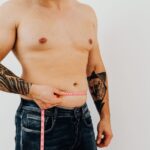
This is the most direct replacement for a scale. A cloth measuring tape costs a few dollars and tells you exactly where your body is changing. Research shows waist circumference is a stronger predictor of health risks than body weight alone. A shrinking waist means you are losing visceral fat even if your total weight stays the same.
Measure at four consistent spots. Wrap the tape around your waist at belly button height. Measure your hips at the widest point. Measure your chest across the nipples. Measure your thigh at the midpoint between hip and knee. Pull the tape snug but not tight enough to press into skin. Write every measurement on the same day of the week, at the same time of day, ideally in the morning before eating.
Some people report that their waist measurement drops two inches while the scale shows no change. This is normal and actually better news than a number on a scale. Muscle is denser than fat. If you are gaining muscle and losing fat, the scale can stay flat while your body composition improves significantly.
How To Use Clothing Fit As A Reliable Measure
Your favorite pair of jeans or a fitted shirt is a practical measurement tool that costs nothing. Put on the same pair of pants once a week and note how they feel at the waistband and through the legs. Do not guess. Write a simple note like “snug but buttonable” or “loose without a belt.”
Evidence indicates that clothing fit correlates well with body composition changes over time. A study in the Journal of Obesity found that self-reported clothing size changes matched DEXA scan results in 80 percent of participants over six months. This is not perfect but it is useful for daily tracking without equipment.
Pick three clothing items you wear often. A belt notch position works especially well. Mark which hole you use on week one. If you move to a tighter hole after a month, you have objective proof of fat loss. If you move to a looser hole, you know something changed even if measurements are stable.
| Method | What It Measures | Cost | Reliability |
|---|---|---|---|
| Measuring tape | Circumference changes | Under $5 | High when done consistently |
| Clothing fit | Relative size change | Free | Moderate |
| Body fat calipers | Skinfold thickness | $10-30 | Moderate to high with practice |
| Progress photos | Visual body shape | Free | High with consistent lighting |
How To Weigh Myself Without A Scale Using Body Fat Calipers
Body fat calipers measure the thickness of a fold of skin and the fat underneath it. This is a direct measure of body composition, not just weight. As of 2026, current research suggests calipers are still one of the most practical home methods for tracking fat loss when used correctly.
You do not need an expensive model. A basic plastic caliper from a sports store works fine. Take measurements at three spots on the right side of your body. The abdomen is one inch to the right of your belly button. The thigh is the midpoint of the front of your thigh. The chest is a diagonal fold between your nipple and armpit. Pinch firmly, place the caliper jaws on the fold, and read the number after two seconds.
Do this on the same day each week. The raw millimeter number is what matters most. You do not need to convert it to a body fat percentage. If the sum of your three measurements goes down by five millimeters over a month, you lost fat. That is the number to track.
Common mistakes include pinching too much skin, pinching at different spots each time, and not waiting the full two seconds before reading. Practice on yourself three times before recording your first real measurement. Accuracy improves quickly with repetition.



How To Use Progress Photos To Track Changes
A photo taken in consistent conditions is one of the most honest measures available. The scale can fluctuate with water weight, food in your system, and time of day. A photo captures what is actually there. Studies have found that people who take weekly progress photos are more likely to notice changes they would otherwise miss.
Stand in the same spot with the same lighting every time. Wear the same minimal clothing like shorts only. Take three angles: front facing, side facing, and back facing. Keep your arms slightly away from your body so your torso is visible. Use a phone timer or ask someone to take the photo at the same distance each week.
Do not judge the photos immediately. Look at week one next to week four or week eight. The difference is often subtle week to week but obvious when compared side by side. Many people report that photos reveal changes the scale never showed. This is because water weight and muscle gain mask fat loss on a scale but not in a photo.
How To Weigh Myself Without A Scale Using The Pinch Test
The pinch test is the simplest body composition check you can do. It requires no equipment and takes ten seconds. Pinch the skin and fat on your waist, just above your hip bone, between your thumb and forefinger. Note how much you can pinch. Do the same on your tricep, the back of your upper arm.
Some people report that the thickness of the pinch changes noticeably before the scale moves. This is widely claimed though strong evidence is limited. However, it makes physiological sense. Subcutaneous fat is the layer directly under the skin. When you lose fat, that layer gets thinner. You can feel it before a scale registers the change.
Do this weekly in the morning. Pinch the same spot each time. If the pinch gets thinner over several weeks, you are losing body fat. If it stays the same, your approach may need adjustment. This is not precise but it is a useful quick check between measuring tape sessions.
What To Avoid When Tracking Without A Scale
Do not measure yourself daily. Body measurements fluctuate with hydration, digestion, and inflammation. Measuring every day creates noise that hides real trends. Weekly measurements on the same day at the same time give you clean data.
Do not compare your measurements to someone else. Waist size and body shape vary widely between individuals. A 30-inch waist on one person may look completely different on another due to bone structure and muscle mass. Your only comparison should be your own numbers over time.
Do not trust a single measurement. One reading can be off by a quarter inch if the tape slipped or you pulled it differently. Take each measurement twice and average the two numbers. If they differ by more than half an inch, take a third measurement and average all three.
Do not abandon the scale entirely if you want to use it. The methods described here work alongside a scale, not instead of it. Using both gives you more information than either alone. The problem is not the scale itself. The problem is relying on the scale as the only measure of progress.
Frequently Asked Questions
Can I track weight loss without a scale?
Yes. Use a measuring tape, clothing fit, body fat calipers, and progress photos to track changes in body composition instead of weight.
How often should I measure myself without a scale?
Measure once per week on the same day at the same time of day for consistent and reliable data.
What is the most accurate way to weigh myself without a scale?
A cloth measuring tape used on your waist, hips, chest, and thighs provides the most reliable and repeatable data.
Do progress photos work better than a scale?
Progress photos show visual changes that a scale can miss, especially when you are gaining muscle and losing fat at the same time.
