
A pimple appears at the worst possible time. You need it gone by tomorrow, not next week. The good news is that you can reduce the size and redness of a zit significantly within 24 hours.
The fastest proven methods are ice to reduce swelling, benzoyl peroxide to kill bacteria, and hydrocolloid patches to absorb fluid. These treatments work through different mechanisms, and using them correctly matters more than using more of them. Here is what the evidence actually supports for shrinking a pimple fast.
Why Do Pimples Swell Up in the First Place?
A pimple is not just dirt trapped in a pore. It is an inflammatory response. When a pore becomes blocked with oil and dead skin cells, bacteria that normally live on your skin can multiply inside that blocked space.
Your immune system detects the bacteria and sends white blood cells to fight them. That immune response causes redness, swelling, and pain. The visible bump you see is largely inflammation, not just the contents of the pore.
This understanding matters for treatment. Anything that reduces inflammation will make the pimple look smaller. Anything that targets the bacteria can stop the pimple from getting worse. The fastest approach attacks both problems at the same time.
What Works Fast: Ice and Cold Compresses
Cold constricts blood vessels. Less blood flow to the area means less redness and less swelling. This is the fastest way to make a pimple look less noticeable.
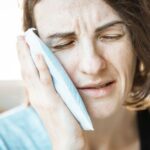
Wrap an ice cube in a thin cloth or use a cold gel pack. Hold it against the pimple for 5 to 10 minutes. Do not apply ice directly to bare skin, as this can cause frostbite or skin damage.
You can repeat this several times a day. The effect is temporary, but it can be dramatic enough to get you through a meeting or an event. Cold does not kill bacteria and does not clear the pore, but it reliably reduces the appearance of swelling.
Benzoyl Peroxide: The Bacterial Target
Benzoyl peroxide is one of the most studied acne treatments available without a prescription. It works by releasing oxygen into the pore, which kills Cutibacterium acnes, the bacteria most associated with acne.
Studies have consistently shown that benzoyl peroxide reduces both inflammatory pimples and non-inflammatory blackheads when used consistently. For a single pimple, a spot treatment with 2.5% to 10% benzoyl peroxide can help it shrink faster than leaving it alone.
Start with the 2.5% concentration. Research suggests that 2.5% benzoyl peroxide is about as effective as 10% but causes significantly less irritation. Apply a thin layer directly to the pimple once or twice daily.
Benzoyl peroxide can bleach clothing and towels. White pillowcases and white shirts are safest while you are using it. Some people experience dryness, peeling, or redness, especially when they first start.
Hydrocolloid Patches: The Physical Approach
Hydrocolloid dressings were originally designed for wound care. They absorb fluid from broken skin and create a moist environment that supports healing. Acne patches made from hydrocolloid work on the same principle.
These patches work best on pimples that have come to a head or have already popped. The patch absorbs the fluid, flattens the pimple, and protects it from bacteria on your fingers and pillowcases.
For a pimple that has not come to a head, a plain hydrocolloid patch does not do much. It cannot draw out contents that are sealed inside the pore. Some patches contain salicylic acid or other active ingredients, which may help, but the evidence for those added ingredients is limited.
Apply the patch to clean, dry skin before bed. Leave it on for 6 to 8 hours or overnight. In the morning, you will often see a visible flattening of the pimple and a white spot in the patch where fluid was absorbed.
Salicylic Acid: Clearing the Blockage
Salicylic acid is a beta-hydroxy acid that dissolves the bonds holding dead skin cells together. This helps clear the blocked pore that started the pimple in the first place.
For a fast result, salicylic acid is better at preventing pimples than at shrinking one that is already inflamed. It works gradually over days, not hours. It is most useful if you catch the pimple early, when it is still just a small bump under the skin.
Use a 0.5% to 2% salicylic acid product as a spot treatment. Apply it after cleansing and before moisturizer. Do not combine it with benzoyl peroxide at the same time unless you know your skin tolerates it, as this combination can be very drying.
What Not to Do: Popping, Picking, and Scrubbing
Popping a pimple feels productive, but it usually makes things worse. When you squeeze, you can push bacteria and oil deeper into the skin. This creates more inflammation and can turn a small pimple into a larger, more painful one.
Picking at a pimple also damages the skin barrier. This increases the risk of scarring and can extend the healing time by several days. The temporary satisfaction of popping is not worth a permanent mark.
Aggressive scrubbing is another common mistake. Harsh physical exfoliation irritates the skin and increases inflammation. Wash your face gently with a mild cleanser twice a day. Do not scrub the pimple in an attempt to remove it.
How Fast Can You Expect Results?
Ice can reduce swelling within minutes, but the effect lasts only a few hours. Benzoyl peroxide and hydrocolloid patches typically show visible improvement within 12 to 24 hours. Salicylic acid takes several days to noticeably clear a pimple.
A typical pimple has a natural life cycle of about 5 to 7 days. With treatment, you can often cut the visible time in half. The pimple may still be slightly red or flat for a few days, but it should be much less noticeable.
If a pimple does not improve after several days of treatment, or if you develop multiple painful pimples at once, consider seeing a dermatologist. Prescription treatments like topical retinoids or oral antibiotics work faster and more effectively than anything available over the counter.
When Home Treatment Is Not Enough
Over-the-counter treatments work for occasional pimples. They are not designed for severe or persistent acne. If you have frequent breakouts, deep painful cysts, or acne that leaves scars, you need medical treatment.
A dermatologist can prescribe stronger options. Topical retinoids like tretinoin normalize skin cell turnover and prevent clogged pores. Oral medications like spironolactone or isotretinoin target hormonal or severe inflammatory acne. These treatments require a prescription and medical supervision for good reason.
Do not attempt to drain a large, deep pimple yourself. A dermatologist can do this safely with sterile equipment, which reduces the risk of infection and scarring. Attempting it at home rarely ends well.
How To Shrink A Zit Fast Proven Methods That Work
The fastest combination is ice for immediate swelling, benzoyl peroxide for bacterial control, and a hydrocolloid patch overnight for fluid absorption. Use them in that order throughout the day.
Start with ice for 5 to 10 minutes to reduce redness. Apply a thin layer of 2.5% benzoyl peroxide to the pimple. Let it dry. At night, clean the area and apply a hydrocolloid patch. Repeat the ice and benzoyl peroxide in the morning.
This approach targets the three main components of a pimple: inflammation, bacteria, and fluid. It will not make the pimple disappear completely in one day, but it will make it significantly smaller, less red, and easier to cover with makeup if needed.
Does Toothpaste or Other Home Remedies Work?
Toothpaste is a popular home remedy, but the evidence does not support it. Toothpaste contains ingredients that can dry out the pimple, but it also contains flavorings, detergents, and abrasives that irritate the skin. The irritation can make redness and swelling worse.
Tea tree oil has some antibacterial properties. Some small studies suggest it may help with mild acne, but the evidence is not as strong as it is for benzoyl peroxide. If you try it, dilute it with a carrier oil, because undiluted tea tree oil can cause contact dermatitis.
Witch hazel, aspirin paste, and lemon juice are also commonly mentioned. None of these have solid clinical evidence behind them for shrinking pimples. Some, like lemon juice, can actually cause chemical burns or hyperpigmentation when exposed to sunlight.
Preventing the Next Pimple
Prevention is easier than treatment. Wash your face twice a day with a gentle cleanser. Use a non-comedogenic moisturizer to keep your skin barrier healthy. Change your pillowcase at least twice a week.
Do not touch your face throughout the day. Your hands carry bacteria and oils that can contribute to clogged pores. If you wear makeup, remove it completely before bed.
Stress and diet may play a role in acne for some people, but the evidence is not definitive for everyone. Some research suggests that high-glycemic foods and dairy may worsen acne in certain individuals. If you notice a pattern between what you eat and your breakouts, adjusting your diet may help.
Frequently Asked Questions
How long does it take for a pimple to shrink with treatment?
With benzoyl peroxide or a hydrocolloid patch, visible improvement usually appears within 12 to 24 hours. Ice can reduce swelling within minutes, but the effect is temporary.
Can I pop a pimple to make it go away faster?
No. Popping pushes bacteria and oil deeper into the skin, which increases inflammation and the risk of scarring. It can also make the pimple last longer.
Is 10% benzoyl peroxide better than 2.5%?
No. Research indicates that 2.5% and 10% benzoyl peroxide are similarly effective for treating pimples, but 2.5% causes significantly less irritation and dryness.
Do hydrocolloid patches work on pimples that have not come to a head?
No. Plain hydrocolloid patches only absorb fluid from pimples that have broken open or come to a head. They cannot draw out contents that are sealed inside the pore.
