
Spinal injuries change lives in a split second, but most are preventable with the right habits and awareness. The most effective prevention combines proper lifting technique, regular exercise that strengthens your core and back, good posture, fall prevention at home, and safe practices during sports and driving. You do not need special equipment or a gym membership to start protecting your spine today.
What Actually Causes Most Spinal Injuries?
Understanding the cause is the first step in prevention. Most spinal injuries fall into two broad categories: sudden trauma and gradual wear.
Sudden trauma includes falls, car accidents, sports collisions, and lifting injuries. These account for a large share of serious spinal damage. Falls are especially dangerous for older adults, while lifting injuries and sports accidents hit younger people more often.
Gradual wear comes from years of poor posture, weak core muscles, and repetitive strain. Over time, this can lead to disc degeneration, herniated discs, and chronic pain. The spine is a stack of bones, discs, and nerves. When the supporting muscles are weak or the alignment is poor, that stack takes more stress than it should.
The good news is that both trauma and wear are largely preventable. You cannot control every car on the road, but you can control how you lift, sit, and move.
How To Prevent Spinal Injuries Tips That Work
These prevention strategies are backed by clinical evidence and are the same advice physical therapists and spine specialists give their patients.
Lift with your legs, not your back. This is the single most repeated piece of advice in spine care, and it works. When you bend at the waist to pick something up, your lower back takes the load. When you squat with a straight back and lift with your legs, your strong thigh and glute muscles do the work. Keep the object close to your body. Do not twist while lifting — turn your feet instead of rotating your spine.
Strengthen your core. Your abdominal and back muscles act as a natural brace for your spine. Strong core muscles support your vertebrae and reduce pressure on your discs. Planks, bridges, and bird-dog exercises are simple, effective choices. Aim for consistency rather than intensity. Ten minutes most days beats one hour once a week.
Move regularly. The spine is designed for movement, not prolonged stillness. Sitting for hours compresses the discs in your lower back. Stand up, stretch, or walk for a few minutes every hour. Even small movement breaks make a measurable difference over a workday.
Maintain a healthy weight. Excess weight, especially around the abdomen, shifts your center of gravity forward. This pulls your lower back into an exaggerated curve and increases stress on the spine. Weight loss, when needed, often reduces back pain and lowers injury risk.
Prevent falls. Falls are a leading cause of spinal injury, particularly in adults over 60. Remove loose rugs, improve lighting, install grab bars in bathrooms, and keep walkways clear. Wear shoes with good traction. Simple home changes prevent many fractures.
Use proper sports technique. Contact sports, skiing, and cycling carry spinal injury risk. Use appropriate protective gear, learn correct technique from qualified instructors, and know your limits. Do not play through pain or exhaustion — fatigue leads to poor form, and poor form leads to injury.
Drive safely. Motor vehicle accidents are a major cause of spinal trauma. Wear your seatbelt every trip. Adjust your headrest so the top is level with the top of your head. Keep a safe following distance. These basic habits are proven life-savers.
Does Posture Really Matter That Much?
Yes, but not in the way you might think. The idea of a single “perfect posture” is a myth. No one holds one position all day, and the spine is not fragile. What matters is variety.
The research on posture is more nuanced than the common advice suggests. Some studies indicate that sitting posture alone does not predict back pain strongly. What does matter is how long you stay in one position and whether you move regularly.
That said, some positions are clearly worse than others. Slouching at a desk for hours with your head forward increases strain on your neck and upper back. The fix is not to sit ramrod straight forever. The fix is to change positions often, adjust your workstation so your screen is at eye level, and take movement breaks.
A good rule: your ears should be roughly over your shoulders, and your shoulders over your hips. Check in with this alignment a few times a day and adjust. Then move on with your day.





What Exercises Protect the Spine Best?
Not all exercise is equal when it comes to spine health. Some moves build protective strength. Others can hurt if done incorrectly.
Core stabilization exercises are the most evidence-supported approach. These include planks, side planks, bridges, and bird-dogs. They train your deep abdominal and back muscles to stabilize your spine during movement.
Walking is underrated. It improves blood flow to spinal structures, strengthens supporting muscles, and helps maintain bone density. Brisk walking for 30 minutes most days is a realistic, low-risk goal for most people.
Strength training with proper form builds the muscle mass that protects your spine. Squats, deadlifts, and rows are excellent when technique is correct. If you are new to these movements, work with a qualified trainer or physical therapist first. Poor form with heavy weights can cause injury.
Flexibility work keeps your hips and hamstrings loose. Tight hamstrings pull on your pelvis and increase stress on your lower back. Gentle stretching after exercise, not before, is the evidence-supported timing.
One important caution: traditional sit-ups and toe touches can aggravate back pain in some people. If an exercise causes sharp pain, stop. Pain is a signal, not a challenge to push through.
How Does Age Change Spine Injury Risk?
Age changes the spine in predictable ways. Discs lose water content and become less flexible. Bone density often declines, especially in women after menopause. Muscles naturally weaken without regular use.
These changes increase injury risk, but they do not make injury inevitable. Strength training and weight-bearing exercise help maintain bone density. Balance exercises reduce fall risk. Staying active preserves muscle mass.
For older adults, fall prevention becomes the highest-priority strategy. Hip fractures and spinal compression fractures from falls are common and serious. Vision checks, medication reviews, and home safety assessments all reduce fall risk.
Bone density screening is relevant for women around menopause and for anyone with risk factors for osteoporosis. Talk to your doctor about whether screening is appropriate for you.
What Are the Warning Signs of a Serious Problem?
Some back pain is normal and resolves on its own. Other symptoms need urgent medical attention.
Seek emergency care if back pain comes with any of these:
- Loss of bowel or bladder control
- Numbness in the groin or saddle area
- Weakness in both legs
- Pain or weakness after a recent fall or accident
- Unexplained weight loss or fever with back pain
These symptoms can indicate nerve compression, spinal cord involvement, or infection. They are not situations to wait out or treat with home remedies. Call for emergency help or go to an emergency department.
For ordinary back pain without these red flags, conservative care is usually appropriate. Over-the-counter pain relievers, gentle movement, and heat or ice can help. If pain lasts more than a few weeks or limits daily activities, see a healthcare provider for evaluation.
Does Sleeping Position Affect Your Spine?
Sleep position matters because you spend about a third of your life in bed. A poor sleeping position can strain your spine for hours at a time.
Sleeping on your back with a pillow under your knees is generally easiest on the spine. This position maintains the natural curve of your lower back. Sleeping on your side with a pillow between your knees is also good. It keeps your hips aligned and reduces twisting.
Stomach sleeping is the most stressful position for the neck and lower back. It forces your neck to rotate to one side for hours. If you cannot sleep any other way, use a thin pillow or no pillow under your head, and place a pillow under your pelvis to reduce lower back strain.
Your mattress matters less than you might think. Medium-firm mattresses are often recommended, but the best mattress is one that keeps your spine in neutral alignment and feels comfortable. Personal preference plays a real role.
Can Chiropractic Care or Physical Therapy Prevent Injuries?
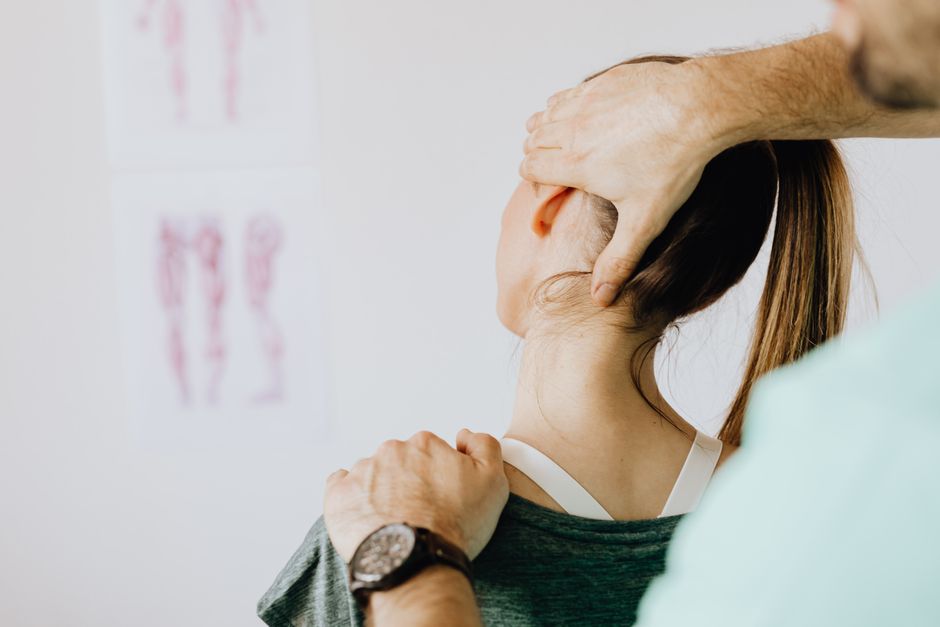
Physical therapy is well-supported for both treating and preventing back problems. A physical therapist can assess your strength, flexibility, and movement patterns. They can design a personalized exercise program that addresses your specific weaknesses. This is the most evidence-based approach to spine injury prevention.
Chiropractic care is more debated in the research literature. Some studies suggest spinal manipulation helps with acute back pain. Evidence for its role in preventing future injuries is less clear. If you choose chiropractic care, look for a licensed practitioner and be honest about your full medical history. Serious complications from spinal manipulation are rare but do occur.
The most important factor is not which professional you see. It is whether you get a thorough assessment and a plan you can follow consistently. Passive treatments alone — whether massage, manipulation, or electrical stimulation — do not build the strength that prevents future injuries.
What Role Does Nutrition Play in Spine Health?
Nutrition supports the structures of the spine, though it cannot undo existing damage.
Calcium and vitamin D are essential for bone health. The spine is made of bones, and strong bones resist fractures. Dairy products, leafy greens, and fortified foods provide calcium. Vitamin D comes from sun exposure and foods like fatty fish and fortified milk. Many adults are deficient in vitamin D, especially in winter months.
Protein supports the muscles that protect the spine. Adequate protein intake becomes more important with age, when muscle loss accelerates without regular strength training.
Anti-inflammatory foods like fruits, vegetables, and omega-3 fatty acids from fish may help manage chronic pain, though their preventive role is less clear. No specific diet has been proven to prevent spinal injuries.
Hydration matters too. The discs between your vertebrae are mostly water. Chronic dehydration may affect disc health, though the research here is limited. Drinking enough water to stay properly hydrated is a reasonable, low-cost habit.
Frequently Asked Questions
What is the most common cause of spinal injuries?
Falls and motor vehicle accidents are the leading causes of serious spinal injuries. Lifting injuries and sports accidents are also common, particularly in younger adults.
Can spinal injuries heal on their own?
Minor muscle strains and sprains often heal with rest and gentle movement. Injuries involving the vertebrae, discs, or spinal cord require medical evaluation and treatment.
How long does it take to strengthen your back for injury prevention?
Most people notice measurable strength improvements after 8 to 12 weeks of consistent core and back exercises. Protection builds gradually, so consistency matters more than short-term intensity.
Is it safe to exercise with back pain?
Gentle movement is usually safe and often helpful for ordinary back pain. Stop any exercise that causes sharp, shooting, or worsening pain and seek medical advice.
