
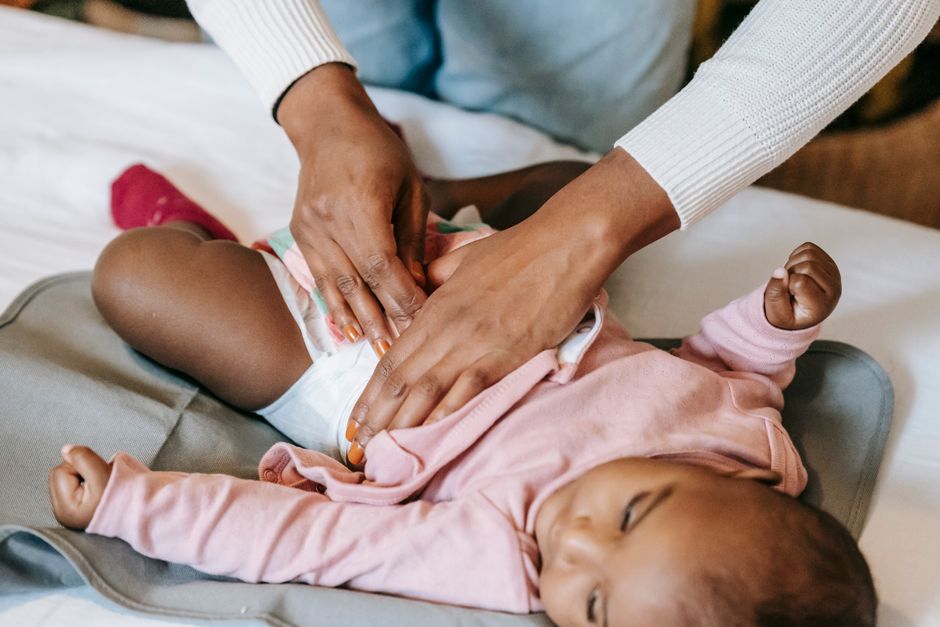
Dressing your baby for sleep comes down to three things: one more layer than you would wear yourself, a fabric that breathes, and a TOG rating that matches the room temperature. The American Academy of Pediatrics recommends a firm mattress, no loose bedding, and a wearable blanket or sleep sack instead of blankets. You check if they are comfortable by feeling the back of their neck or their chest — not their hands or feet. If those feel warm and dry, the baby is dressed correctly.
How Do Layers Work for Baby Sleep?
Layers trap heat between them. That is how they keep a baby warm without needing a heavy blanket. The safest approach is a thin cotton onesie as the base layer, then a sleep sack or wearable blanket on top.
Think of it like this. You wear a shirt and maybe a light sweater. Your baby needs a onesie and a sleep sack of the right TOG. That is two layers. In colder rooms you add a long-sleeved bodysuit under the onesie. That makes three layers.
Parents often over-layer because they worry about cold. But overheating is a known risk factor for Sudden Infant Death Syndrome (SIDS). The CDC states that babies should not be overdressed for sleep. If your baby is sweating or has a hot chest, remove a layer.
What Is TOG and Why Does It Matter?
TOG stands for Thermal Overall Grade. It is a standard measurement used in the UK and Europe that tells you how warm a sleep sack or swaddle is. The higher the TOG number, the warmer the product.
Here is a simple breakdown of TOG ratings and the room temperatures they match:
| TOG Rating | Room Temperature | What to Wear Underneath |
|---|---|---|
| 0.5 TOG | 24°C to 27°C (75°F to 80°F) | Short-sleeve onesie |
| 1.0 TOG | 20°C to 24°C (68°F to 75°F) | Long-sleeve onesie |
| 2.5 TOG | 16°C to 20°C (61°F to 68°F) | Long-sleeve onesie + bodysuit |
| 3.5 TOG | Below 16°C (Below 61°F) | Long-sleeve onesie + bodysuit + footed sleeper |
Most homes stay between 68°F and 72°F. A 1.0 TOG sleep sack with a long-sleeve onesie works for most babies year-round. If your room is cooler or warmer, adjust up or down by one TOG level.
How To Dress Baby For Sleep Layers Tog Fabric? The Fabric Choices Matter
Fabric is not just about comfort. It affects how well a baby regulates temperature. Cotton is the safest choice because it breathes and wicks moisture away from the skin. Bamboo is also breathable and soft, though it can be pricier.
Fleece is warm but traps heat. It can cause overheating if the room is already warm. Wool is excellent for temperature regulation, but some babies have sensitive skin and react to it. Muslin is lightweight and breathable — good for summer.
Stay away from fabrics with synthetic fills that do not breathe. Polyester-filled sleep sacks can make a baby sweat even in a cool room. Always check the fabric label before buying. A 100% cotton outer shell with cotton or bamboo inner lining is your safest bet.



How to Check If Your Baby Is the Right Temperature
You cannot trust a baby’s hands or feet to tell you if they are warm enough. Their circulation is still developing, so hands and feet often feel cool even when the baby is perfectly warm. The accurate method is to feel the back of their neck or their chest.
If the back of the neck feels warm and dry, the baby is fine. If it feels hot or sweaty, remove a layer. If it feels cool, add a layer. This takes two seconds and is more reliable than any thermometer.
Some parents use a room thermometer to keep the nursery between 68°F and 72°F. That is helpful, but your hand on the neck tells you more than a number on a screen. Trust your touch.
What to Avoid When Dressing Baby for Sleep
Loose blankets are the biggest risk. The AAP says no blankets, pillows, or stuffed animals in the crib until the baby is at least 12 months old. Use a sleep sack or wearable blanket instead. They cannot ride up over the face.
Hats inside the house during sleep are not needed. Babies lose heat through their heads, but that is part of how they regulate temperature. Covering the head can cause overheating. The only exception is the first few hours after birth in a hospital setting.
Footed pajamas are fine, but check the TOG rating. Some footed sleepers are thick and act like a 2.5 TOG sack. If you put that over a 2.5 TOG sleep sack, you have doubled the warmth. That is too much. Choose one or the other — not both.
Common Misconceptions About Baby Sleep Dressing
A viral myth says babies need to be bundled in multiple layers no matter the season. That is not true. Overheating is more dangerous than being slightly cool. A slightly cool baby will wake and cry. An overheated baby may sleep deeply but dangerously.
Another myth is that a baby must wear a hat to sleep. As mentioned, hats indoors can cause overheating. If your home is cold enough that you need a hat, fix the room temperature instead of adding head coverings.
Some parents believe that a thicker sleep sack is always better. A 3.5 TOG sack in a 75°F room will make the baby sweat and uncomfortable. Match the TOG to the room temperature, not to your instinct to keep them extra warm.
What the Research Says About Dressing Baby for Sleep
Research published in Pediatrics found that overheating is associated with an increased risk of SIDS. The study showed that babies who were overdressed or had their heads covered were more likely to die from SIDS than babies who were dressed in lighter layers.
The AAP Task Force on SIDS recommends that infants be dressed in no more than one layer more than an adult would wear in the same environment. That is the evidence-based rule. No extra blankets. No heavy quilts. No hats.
A study from the University of Bristol found that room temperature above 24°C (75°F) combined with heavy clothing increased SIDS risk. Keeping the room below 72°F and dressing the baby in light cotton layers is the safest combination based on current evidence.
Practical Steps for Every Night
Check the room temperature before putting the baby down. If it is between 68°F and 72°F, use a 1.0 TOG sleep sack with a long-sleeve cotton onesie. If the room is warmer, drop to a 0.5 TOG sack and a short-sleeve onesie.
If the room is cooler than 68°F, use a 2.5 TOG sack with a long-sleeve onesie and a bodysuit. Do not add a blanket. Do not add a hat. The sleep sack provides the warmth without the suffocation risk.
Feel the back of the neck after the baby has been asleep for 20 minutes. Adjust for the next night if needed. Most parents figure out the right combination within a week. It is not complicated once you know the rules.
Frequently Asked Questions
How do I know what TOG rating to use?
Check the room temperature with a thermometer. Match the TOG rating to the temperature range listed on the sleep sack label. For most homes at 68°F to 72°F, 1.0 TOG works.
Can I use a blanket if my baby is in a sleep sack?
No. Sleep sacks are designed to replace blankets. Adding a blanket inside the crib increases suffocation risk. Use only the sleep sack.
Should I dress my baby in socks for sleep?
Only if the room is below 68°F and the baby’s feet feel cool. Otherwise socks are unnecessary and can cause overheating. Check the neck instead.
What fabric is best for a baby sleep sack?
Cotton is the safest choice because it breathes and reduces overheating risk. Bamboo is also good. Avoid fleece in warm rooms and polyester fills.
