
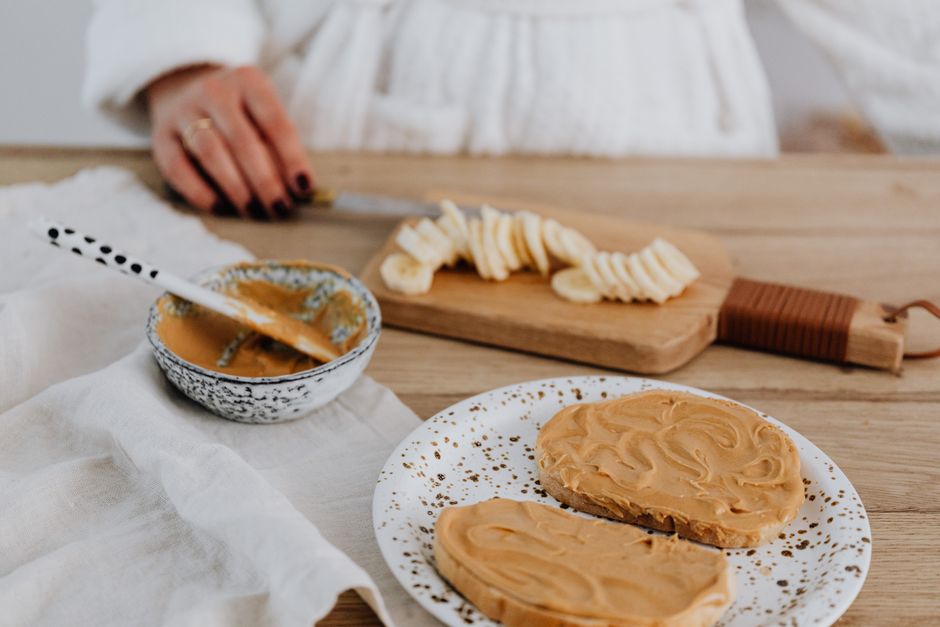
Bananas are a great first food for an 8-month-old. Serve them soft and cut into safe shapes. Slice the banana lengthwise into thin strips about the size of two adult fingers held together. You can also mash it and let your baby scoop it up with their hands. Always supervise your baby while they eat.
Why is banana a good choice for an 8-month-old?
Bananas are naturally soft. They do not need cooking. You can serve them with very little prep. This makes them a go-to food for many parents.
Nutritionally, bananas provide potassium and vitamin B6. They also have carbohydrates for energy. For an 8-month-old who is learning to chew, the texture is forgiving. It mashes easily between the gums.
One thing to know: bananas are not a choking hazard when prepared correctly. The risk comes from shape and ripeness, not the fruit itself.
How ripe should the banana be?
Choose a banana that is yellow with a few brown spots. This is the sweet spot. It is soft enough to mush but firm enough to hold its shape when cut.
A green banana is too firm and starchy. It can be harder for a baby to break down. A completely brown banana is very soft and can be slippery. It may also be too sweet for some babies, though sugar content in fruit is not a concern at this age.
If you press the banana gently and it gives slightly, it is ready. If it feels hard, wait a day or two.
What are the safest ways to cut a banana for an 8-month-old?
Shape matters more than size for safety. At 8 months, most babies have a palmar grasp. They grab with their whole hand. Long strips are easier for them to hold and bite.
Here are the safest cuts:
- Lengthwise strips. Peel the banana. Cut it in half crosswise. Then cut each half lengthwise into 3-4 strips. Each strip is about the width of your pinky finger. This shape is easy to hold and hard to choke on.
- Mashed. Mash the banana with a fork until smooth or slightly lumpy. Let your baby eat it from a pre-loaded spoon or scoop it with their hands. This is the lowest-risk option.
- Quartered rounds. If your baby has a pincer grasp (thumb and finger), you can cut the banana into coin shapes and then quarter those coins. Do not serve full coin-shaped rounds. They are a choking risk because they can stick to the roof of the mouth.
The key rule: always cut soft foods into shapes that are long and thin, not round and bite-sized. Round foods that match the size of a child’s airway are the most dangerous.



Should you cook the banana first?
You do not need to cook a banana for an 8-month-old. Raw banana is safe and easy to digest. Cooking changes the texture but is not necessary.
Some parents lightly steam or bake banana to make it firmer on the outside while soft inside. This can help if the banana is very ripe and slippery. A quick steam for 2-3 minutes or a bake at 350°F for 5 minutes firms the surface slightly. Let it cool before serving.
Frozen banana is also an option for teething. Cut a banana into strips and freeze them on a tray. The cold surface soothes gums. Just watch closely because frozen banana is harder and requires more chewing.
How To Serve Banana To An 8 Month Old Safely when combining with other foods?
Banana mixes well with many other first foods. You can swirl it into plain full-fat yogurt. You can spread a thin layer of mashed banana on a rice cake or toast strip. You can mix it with baby oatmeal or thinned peanut butter.
When combining, keep the same safety rules. The banana should still be soft. The other food should not make the mixture sticky or hard to swallow. For example, mixing banana with thick nut butter can create a paste that is harder to clear from the mouth. Thin the nut butter with water or yogurt first.
If you are introducing allergens like peanut or egg, banana is a good vehicle. The mild flavor and smooth texture help mask strong tastes.
What about baby-led weaning with banana?
Banana is a staple in baby-led weaning. The method skips purees and gives babies whole foods from the start. For an 8-month-old who has been doing baby-led weaning for a few weeks, banana strips are ideal.
Some parents worry about gagging. Gagging is normal. It is a protective reflex that moves food forward in the mouth. Choking is different. Choking means the airway is blocked and the baby cannot breathe. Gagging sounds wet and active. Choking is silent.
If your baby gags on banana, they are learning. Stay calm. Let them work it out. Only intervene if they cannot breathe, cough, or make sound.
Can you freeze banana for later use?
Yes. Freezing banana is practical. Peel the banana and cut it into strips or mash it. Place the pieces on a parchment-lined tray and freeze until solid. Then transfer to a freezer bag.
Frozen banana strips can be served partially thawed. They are softer than fully frozen but still cool. This works well for teething. You can also thaw mashed banana in the refrigerator overnight and serve it the next day.
Frozen banana changes texture. It becomes mushier when thawed. This is fine for mashing but less ideal for strips. If you plan to serve strips, use fresh banana.
What should you avoid when serving banana to an 8-month-old?
A few things to skip:
- Whole banana. A whole banana is too large for a baby to hold safely and too thick to bite through. Always cut it.
- Round slices. As mentioned earlier, coin-shaped rounds can block the airway. Quarter them or serve strips.
- Chunks. Large uneven pieces are hard for a baby to manage. Keep pieces uniform in size and shape.
- Banana with added sugar or honey. Babies under 12 months should not have honey due to botulism risk. Added sugar is unnecessary.
- Very firm banana. Green bananas are difficult to chew and may cause gagging.
How do you know if your baby is ready for banana?
Most 8-month-olds are ready. Signs of readiness include sitting up with minimal support, good head control, and showing interest in food. They should be able to bring objects to their mouth and chew with a up-and-down motion.
If your baby is not yet sitting well or still pushes food out with their tongue (tongue thrust reflex), they may not be ready for solid pieces. Stick with mashed banana on a spoon in that case.
Every baby develops at their own pace. Eight months is a guideline, not a deadline. Trust what you see.
Frequently Asked Questions
Can I give my 8-month-old a whole banana to hold?
No. A whole banana is a choking hazard because it is too large and thick for a baby to bite safely. Always cut it into strips or mash it.
Is it safe to mix banana with baby cereal?
Yes. Mash the banana and stir it into the cereal. This adds flavor and nutrients. Make sure the cereal is thinned to a consistency your baby can manage.
What if my baby gags on banana?
Gagging is a normal learning reflex. Stay calm and let your baby work through it. Only intervene if your baby cannot breathe, cough, or make sound, which are signs of choking.
Can I serve banana with the peel on?
No. Always peel the banana before serving. The peel is tough, not digestible, and poses a choking risk.
